0
0€
Your cart is empty
You have no items in your cart
The soot has thickened, clumped together awaiting its imminent dilution. It no longer smells of pine, to which it may soon restore life on the calligrapher’s page. The musk and camphor mask the unpleasant odour of glue (meat or fish). The resulting mixture holds firm in a single, solid piece, moulded into the shape of a stick whose smooth surface is adorned with a gold-embellished dragon, a bas-relief figure, or the tree that gave it its colour.
That Chinese ink takes a solid rather than liquid form, as it does in the West, explains why it is more than mere ink. Does it not, alongside paper, the brush and the inkstone, feature on the list of the four treasures of the scholar? As such, it is a work of art.
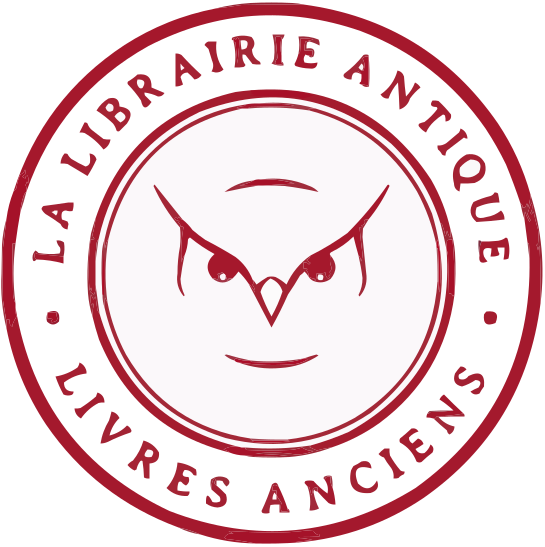
Until the 19th century, the ink used in printed books followed a simple recipe, the quality and stability of which still impress anyone fortunate enough to own an ancient—even very ancient—book. In liquid form, it does not reach us as sticks but already adapted to its use. Then ink production too became an industry. Printing presses now worked faster, so colourants and other additives were added to make the ink more viscous and speed up drying. Will the sheen of modern inks last? Today, it is hard to predict whether these texts too will endure through the centuries.
Tell us what is not working, we fix things quickly. The page you are on is attached automatically.