0
0€
An empty cart
You have no item in your shopping cart


On 11 November 1918, at eleven o’clock, the armistice came into effect across the entire front: the ceasefire signed at dawn in the Rethondes clearing brought an end to more than four years of war. The bookshop gathers here its books and documents from the Great War, from regimental histories to postcards sent from the front. The list updates itself: a sold item disappears, a new arrival appears.
 Bayonet Combat 1918190€ View details ›
 Bayonet Charges 1915160€ View details ›
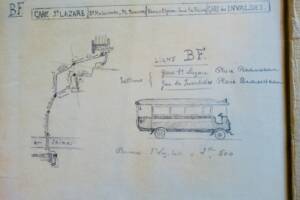
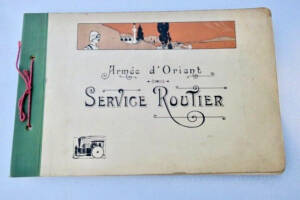 Oriental Army Road Service and Allied Topographic Maps150€ View details ›
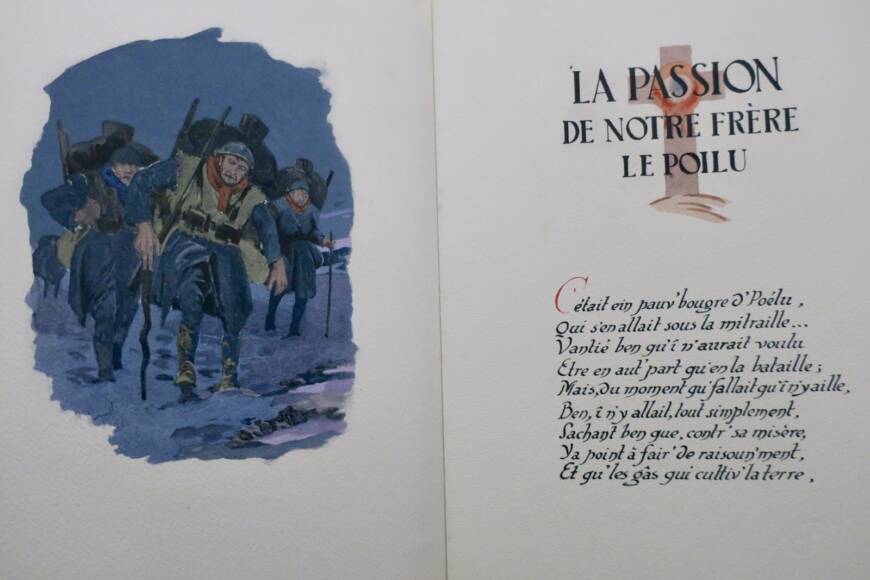
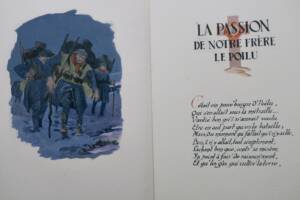 The Passion of Our Brother the Poilu. Watercolours by Grand'Aigle.108€ View details ›
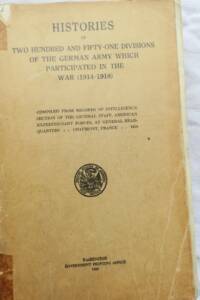 Comprehensive Accounts of German Divisions99€ View details ›
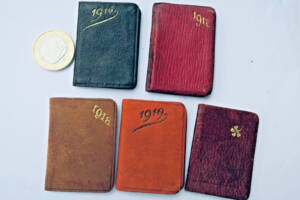 Tiny pocket diary WAR 1916 - 1920 35 x 50 mm89€ View details ›
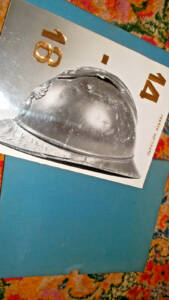 Pharmacist’s WWI memoirs by Franck Guichard74€ View details ›
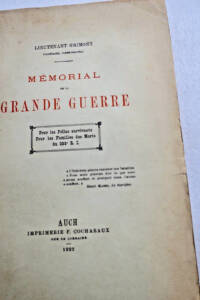 Memorial to WWI Survivors & Fallen Soldiers74€ View details ›
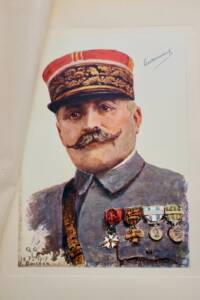 Verdun: Historical Account with Author's Inscription70€ View details ›
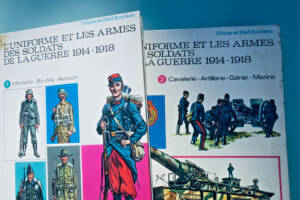 Uniforms and Weapons of Soldiers in the War 1914–191867€ View details ›
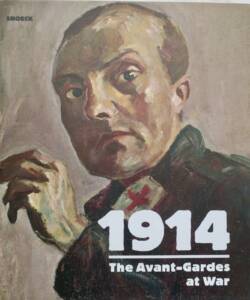 1914: Avant-garde at War Exhibition Catalog61€ View details ›
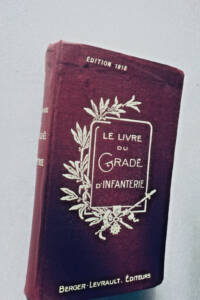 Military Handbook for Infantry Cadets60€ View details ›
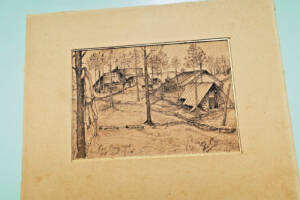 Soldier's Ink Drawing, Trench Art, May 191660€ View details ›
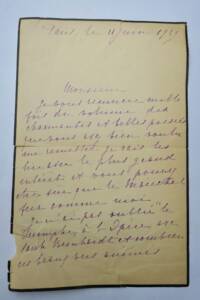 Marshal Foch's Wife - Autograph Letter55€ View details ›
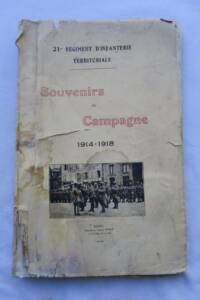 21st Territorial Infantry Regiment 1914-1918: Campaign Memories54€ View details ›
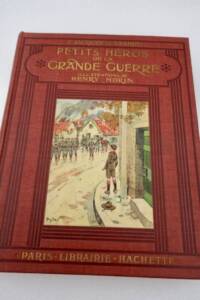 Young Heroes of the Great War49€ View details ›
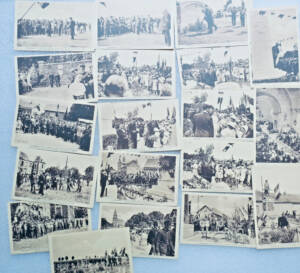 1918 Battle of Grivesnes: Postcard Series49€ View details ›
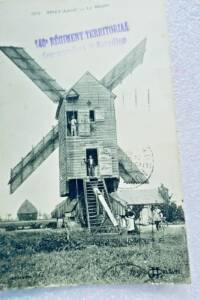 Bricy LOIRET 1914 war48€ View details ›
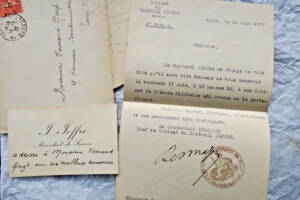 Autographed letter and card from JOFFRE46€ View details ›
 135th Infantry Regiment History 1914-191845€ View details ›
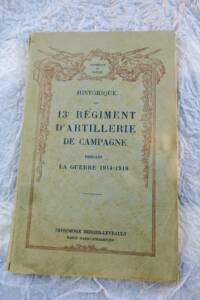 HISTORY of the 13th FIELD ARTILLERY REGIMENT during the WAR 1914-191845€ View details ›
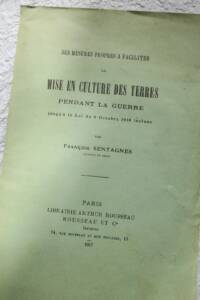 Cultivation of lands during wartime41€ View details ›
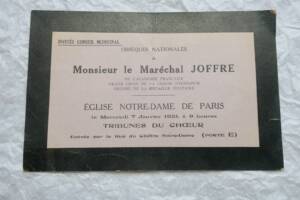 Maréchal JOFFRE death announcement 193140€ View details ›
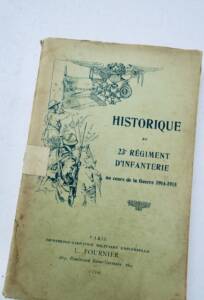 Historical Account of the 23rd Infantry Regiment during the War 1914–191839€ View details ›
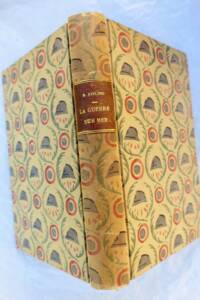 KIPLING Rudyard THE WAR AT SEA. 1919 first edition36€ View details ›
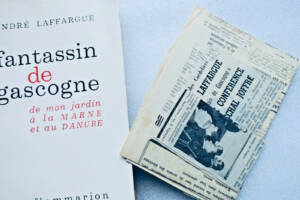 A Gascon Infantryman's Journey: Garden to Marne and Danube36€ View details ›
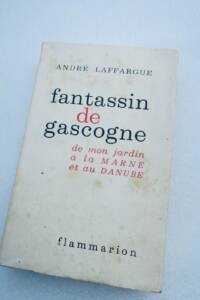 LAFFARGUE General Infantryman of Gascony. From My Garden to the Marne and the Danube36€ View details ›
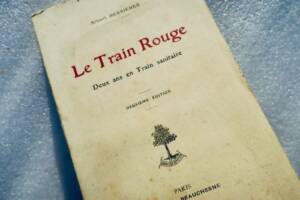 Medical Train Chronicles: Two Years Service35€ View details ›
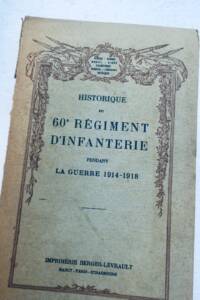 infantry HISTORICAL OF THE 60e REGIMENT D'INFANTERIE DURING THE WAR 1914-191834€ View details ›
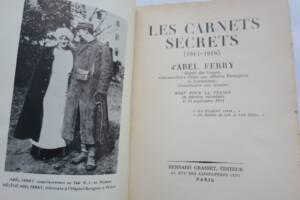 Secret Diaries of WWI 1914-191834€ View details ›
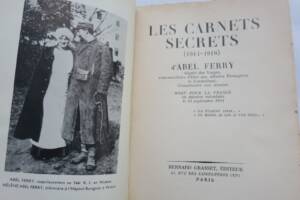 Secret WWI Diaries of Abel Ferry with Dedication34€ View details ›
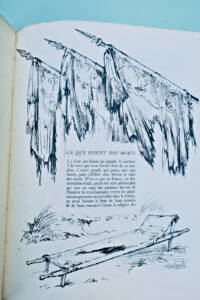 war 14 18 FRANCE (Anatole). What our dead are saying 191633€ View details ›
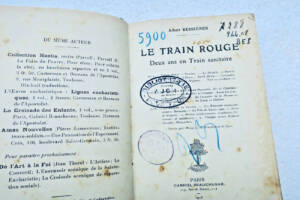 Guerre en train rouge: Two Years in a Hospital Train 191633€ View details ›
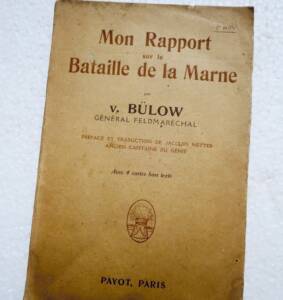 Bülow (General Field Marshal) My Report on the Battle of the Marne33€ View details ›
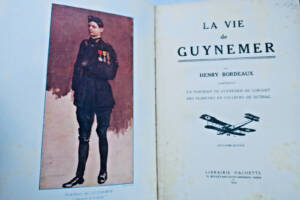 Heroic Life of Fighter Ace Guynemer31€ View details ›
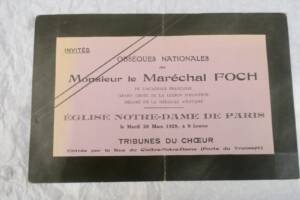 Maréchal Foch death notice30€ View details ›
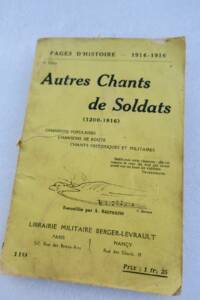 Military Songs and Popular Chants (1200-1916)30€ View details ›
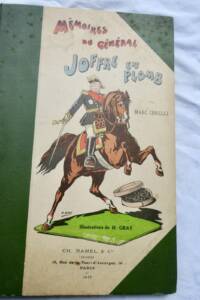 General Joffre's Memoirs in Lead30€ View details ›
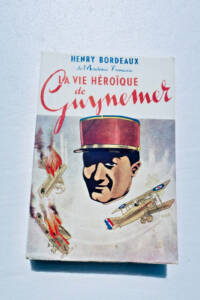 BORDEAUX HENRY THE HEROIC LIFE OF GUYNEMER - THE AIR KNIGHT29€ View details ›
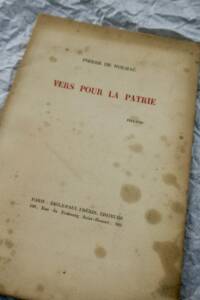 Patriotic Verses 1914-191829€ View details ›
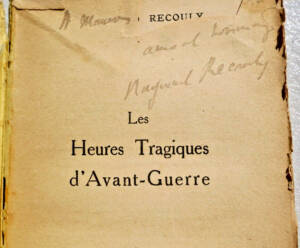 Tragic Hours Before War 191429€ View details ›
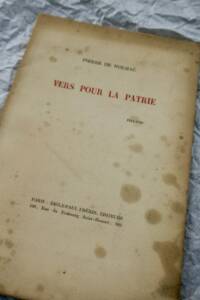 Patriotic Verses from the Great War29€ View details ›
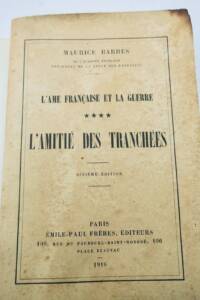 French soul and war: Trench friendship29€ View details ›
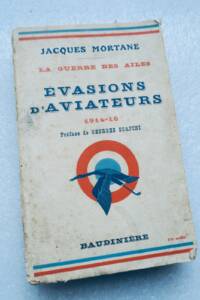 WWI Aviation: Pilot Escapes 1914-1829€ View details ›
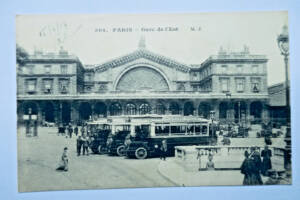 1917 Paris Gare de l'Est military railway poster28€ View details ›
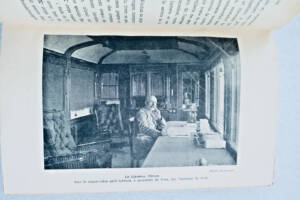 VERDUN MARSHAL P. THE BATTLE OF VERDUN28€ View details ›
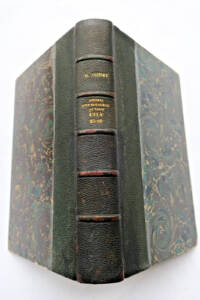 Parisian Diary during the Great War27€ View details ›
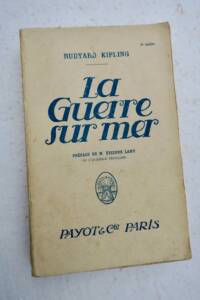 Kipling’s Naval War Reflections27€ View details ›
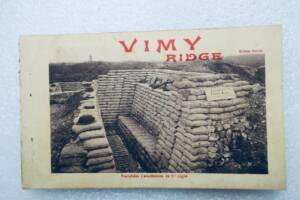 Vimy Ridge - Canadian Trench Frontline Views27€ View details ›
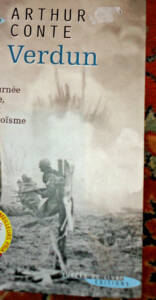 Verdun: A Day of Mud, Blood, and Heroism24€ View details ›
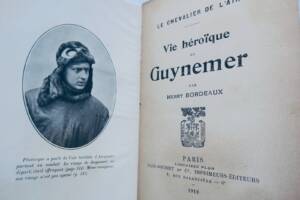 The Heroic Life of Guynemer24€ View details ›
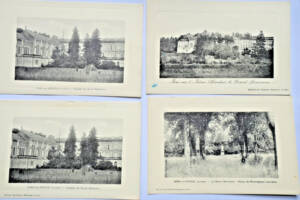 Aire-sur-l'Adour Postcards 1914 Soldier Series24€ View details ›
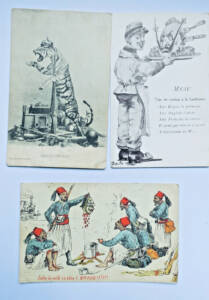 German Kaiser as Bogeyman: WWI Propaganda23€ View details ›
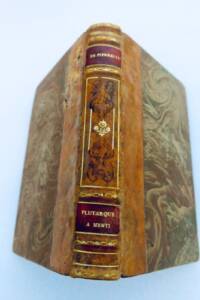 14-18 Pierrefeu Jean de (1881-1940) Plutarque a ment22€ View details ›
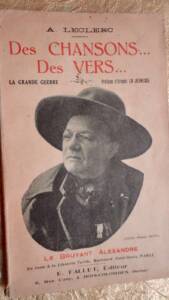 Des chansons Des vers - La grande guerre Le Bruyant20€ View details ›
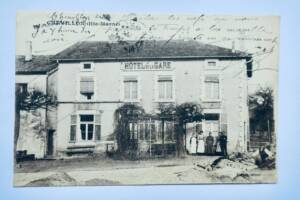 1915 Railway Station Postcard Series20€ View details ›
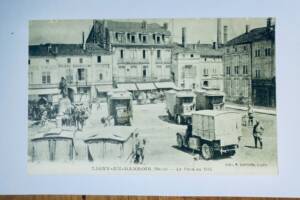 Ligny-en-Barrois square in 1916 WAR18€ View details ›
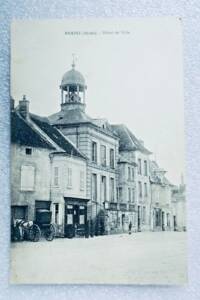 Braine hôtel de ville 1914 war18€ View details ›
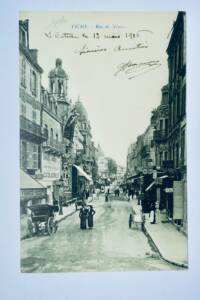 Vichy rue de Nîmes 1916 Poilu18€ View details ›
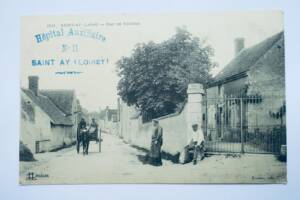 WW1 soldier’s postcard from Loiret hospital18€ View details ›
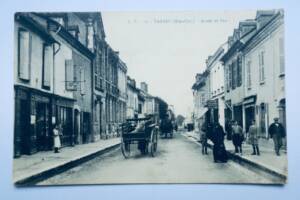 1915 WWI French soldier route map18€ View details ›
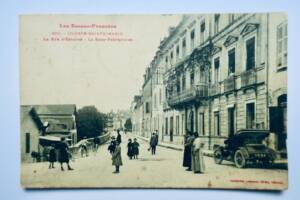 Oloron-Sainte-Marie’s 1915 Automobile Era18€ View details ›
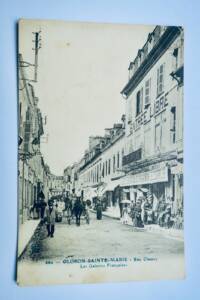 Rue Chanzy 1914: A Soldier’s Street17€ View details ›
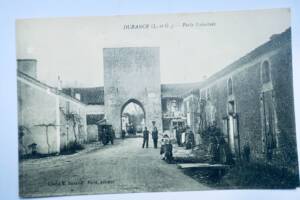 Durance at Labastide in 1915: A Soldier's Account17€ View details ›
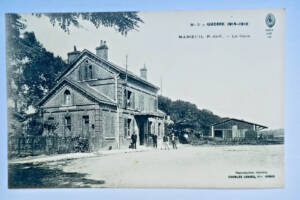 Mareuil Railway Station in WWI16€ View details ›
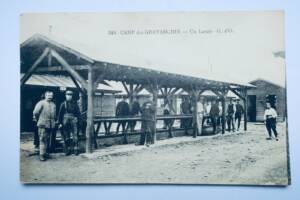 WW1 soldier at Gravanches laundry 191615€ View details ›
Free delivery in mainland FranceSecure payment: card, PayPal, bank transfer, cheque14-day returns
In the aftermath of the war, most regiments commissioned their own histories: a few dozen pages, sometimes more, recounting the unit’s movements, battles, citations, and sometimes lists of the dead. Printed in small runs, often by local printers, they were intended for veterans and families.
Today, these are documents sought after by genealogists and descendants, who trace the steps of an ancestor whose regiment they know from his enlistment record. Infantry, artillery, territorial: each branch has its enthusiasts, and a complete copy—with its cover, maps, and photographs—is worth significantly more than an incomplete one.
The war inspired a vast array of testimonies, published during the conflict under censorship, then in the interwar period, and much later when families had diaries kept in a drawer published. Abel Ferry’s Carnets secrets (Secret Diaries), a deputy and officer who died of his wounds in 1918, offer a view of the war both from the front and the corridors of power.
The writers also took up their pens: Maurice Barrès in the chronicles of L'Âme française et la guerre, Anatole France, Pierre de Nolhac in his Vers pour la Patrie, Rudyard Kipling on naval warfare. Biographies written in the heat of the moment, such as Henry Bordeaux’s Vie héroïque de Guynemer, reveal much about the spirit of the age.
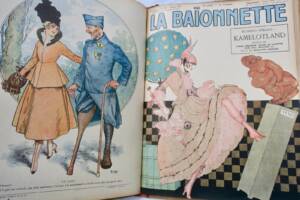
Satirical and illustrated journals, albums of patriotic images, posters for war loans: the image played a major role in rallying public opinion, both at the front and behind the lines. Drawings made in the trenches by the soldiers themselves are rarer and more moving, as each sheet is unique.
The postcard was at its peak. Soldiers wrote to their loved ones daily, often using free military postage, while publishers photographed garrison towns, railway stations, hospitals and ruins. A card’s value lies in the rarity of the view, the liveliness of the scene, and increasingly, in the correspondence it carries.
Letters and autographed cards from military leaders, announcements and official documents complete the collection. These items should be stored flat, away from light, in neutral sleeves.
First, find the regiment number on his conscription record, available online via the departmental archives of his place of registration. Then check whether we have the printed history of that regiment in the list above, or contact us: new copies arrive regularly. Many histories are also available on Gallica, the BnF’s digital library.
Most common cards sell for a few euros. Rare views of small localities, lively scenes, photographic cards and interesting soldier correspondence command higher prices. Each card in our list is photographed and described.
Looking for a specific title?
Tell us what you are looking for: new books arrive every week and we will let you know as soon as a copy comes in.
Write to usDo you own antiquarian books?
The bookseller appraises them free of charge and may offer to buy them.
Get an appraisalAlert me about new Grande Guerre arrivals
New books arrive every day. Leave your email address: you will receive a message as soon as a matching book enters the shop, never more than one a day.
Tell us what is not working, we fix things quickly. The page you are on is attached automatically.