0
0,00€
An empty cart
You have no item in your shopping cart


VENDU
Guaranteed authentic
Every book is examined and described individually by us. Professional booksellers since 1995.
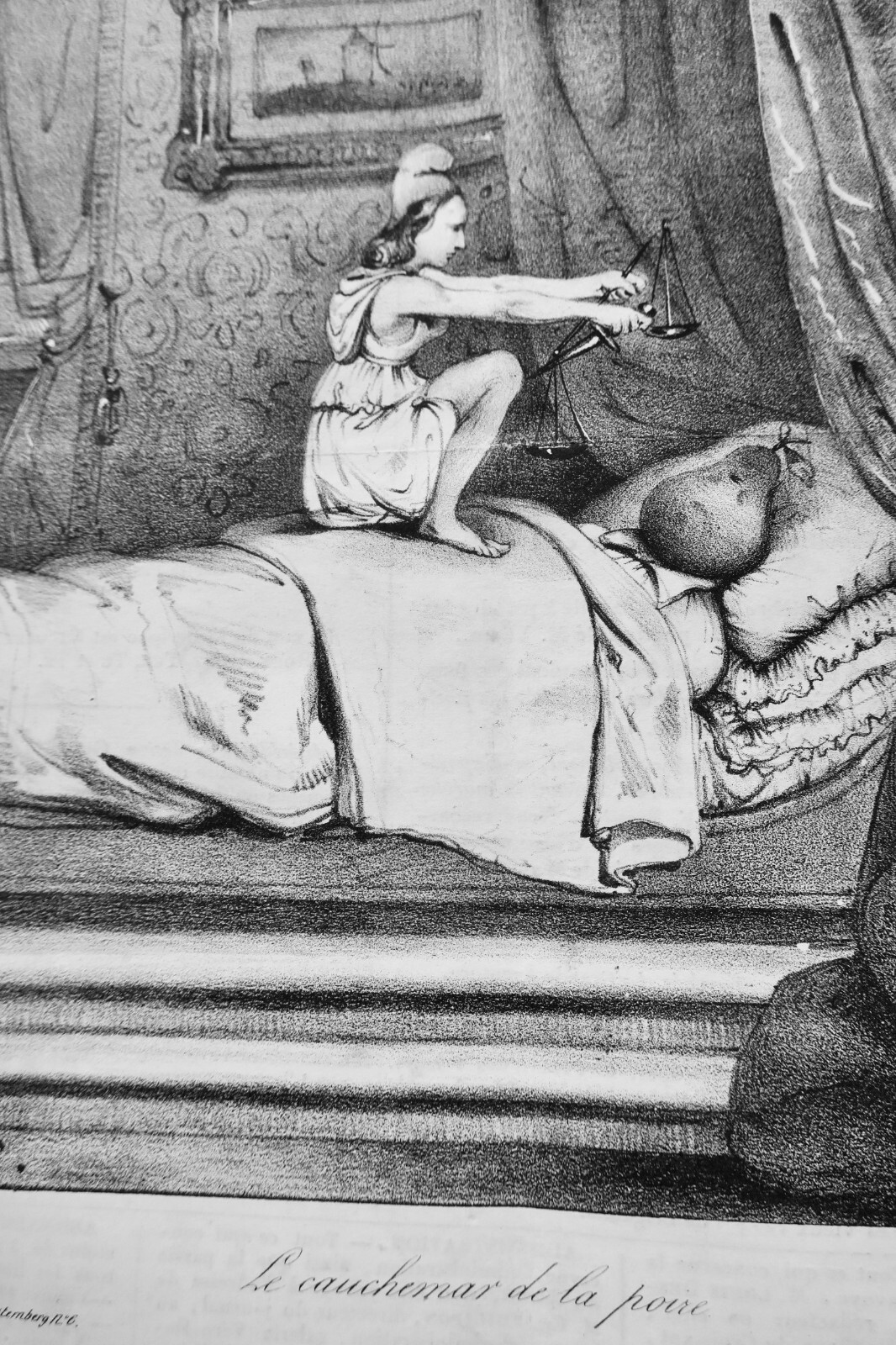
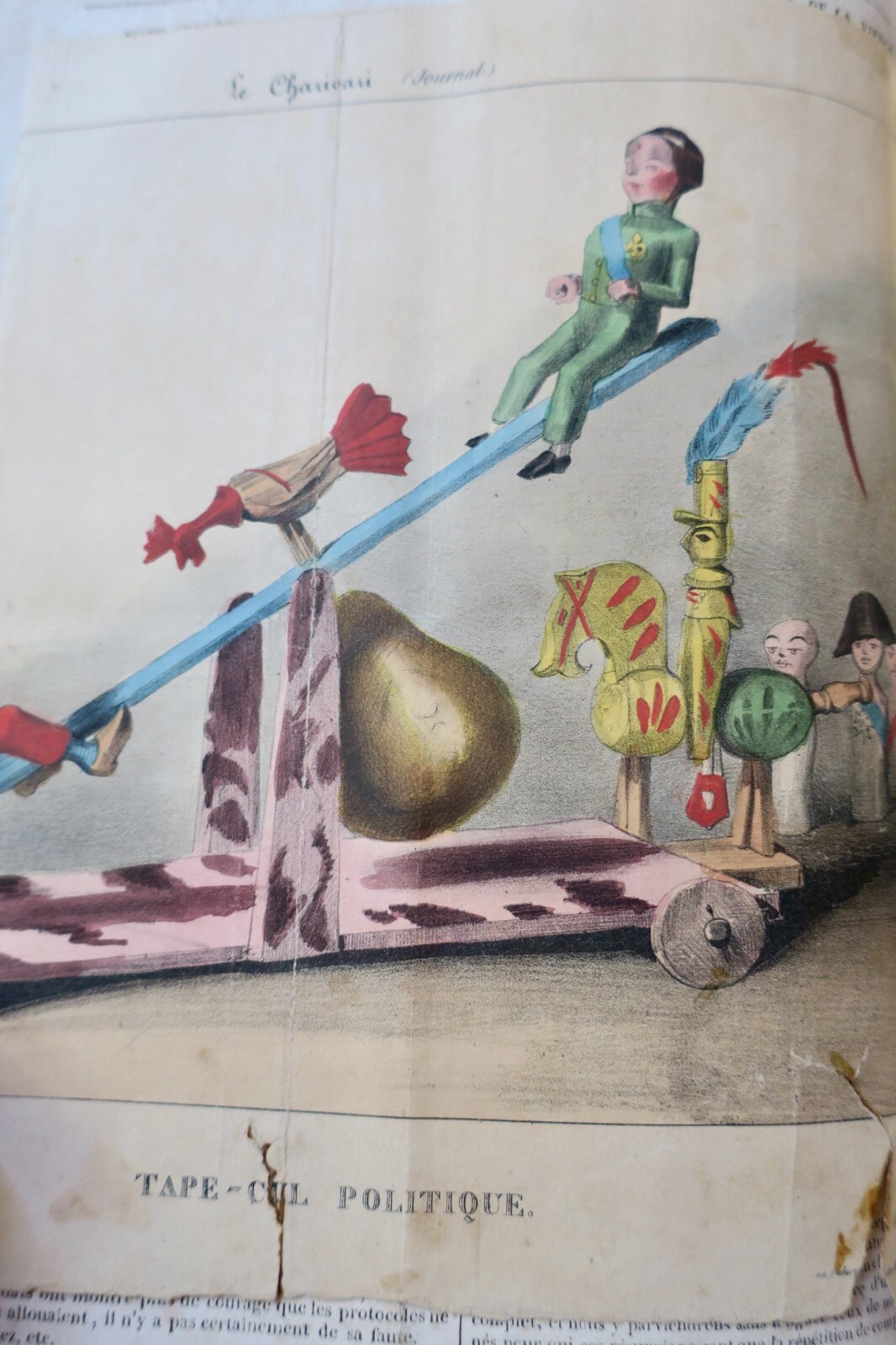
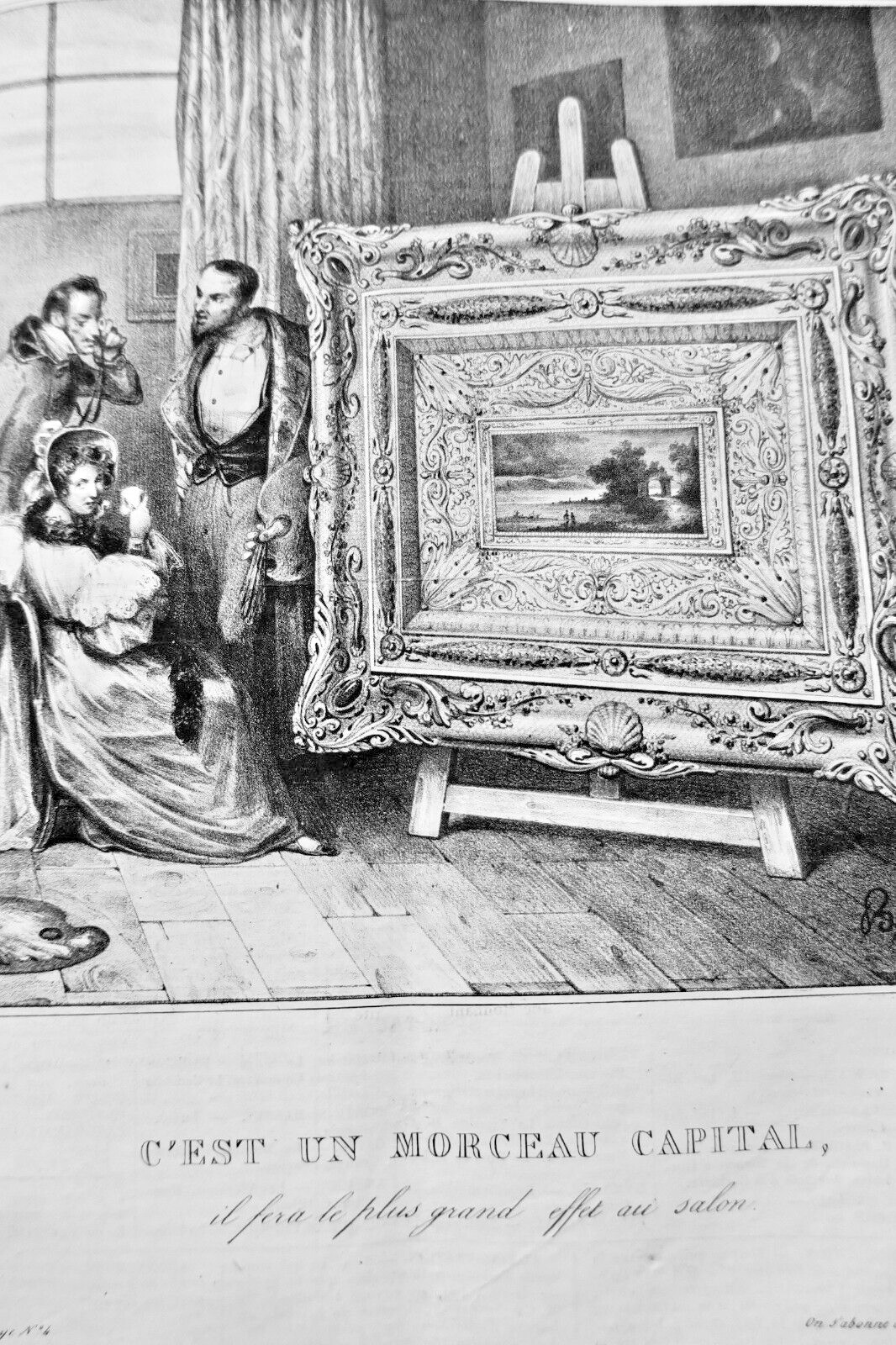
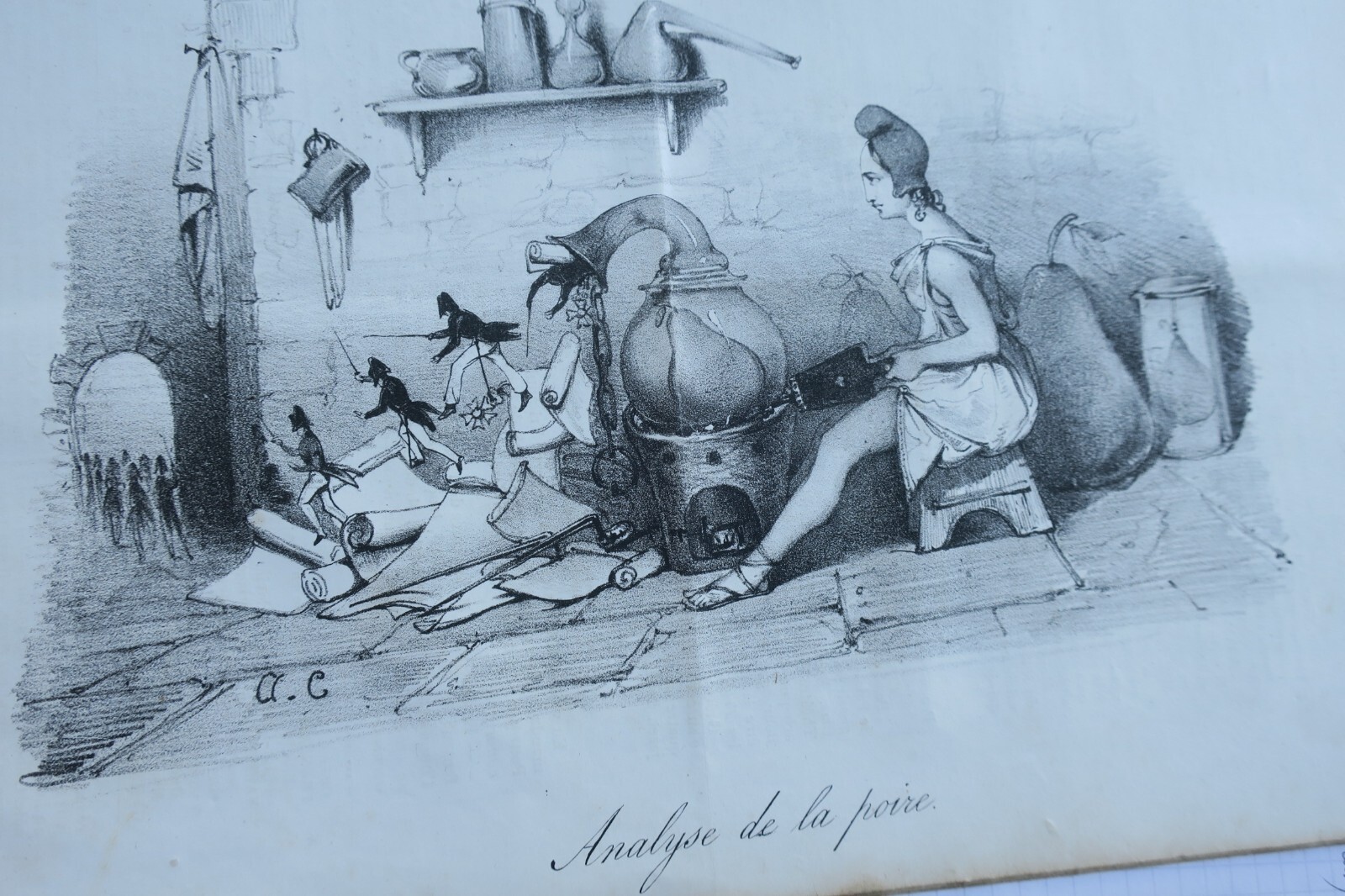
LE CHARIVARI Publishing a New Drawing Each Day Half‑leather binding, rubbed edges, 24 × 31 cm, from 1 December 1832 to 30 June 1833, 211 issues. In the first page, a specimen announcing the daily publishing method of the newspaper, 2 sheets cut in half (but without missing pages), missing the lithograph sheet of nos. 31, 38, 41, 43, 45, 49, 55, 58, 61, 65, 67, 71, 74, 78, 80, 82, 85, 88, 100, 103, 108, 115, 119, 120, 130, 137, 140, 141, 144, 157, 170, 173, 174, 180, 181, 182, 183, 184, 186, 187, 189, 190, 193, 194, 195, 196, 200, 202, 203, 204, 211, 212, some foxing, some marginal tears, a partial loss on 2 lithographs, one…
Read full description ↓LE CHARIVARI Publishing a New Drawing Each Day
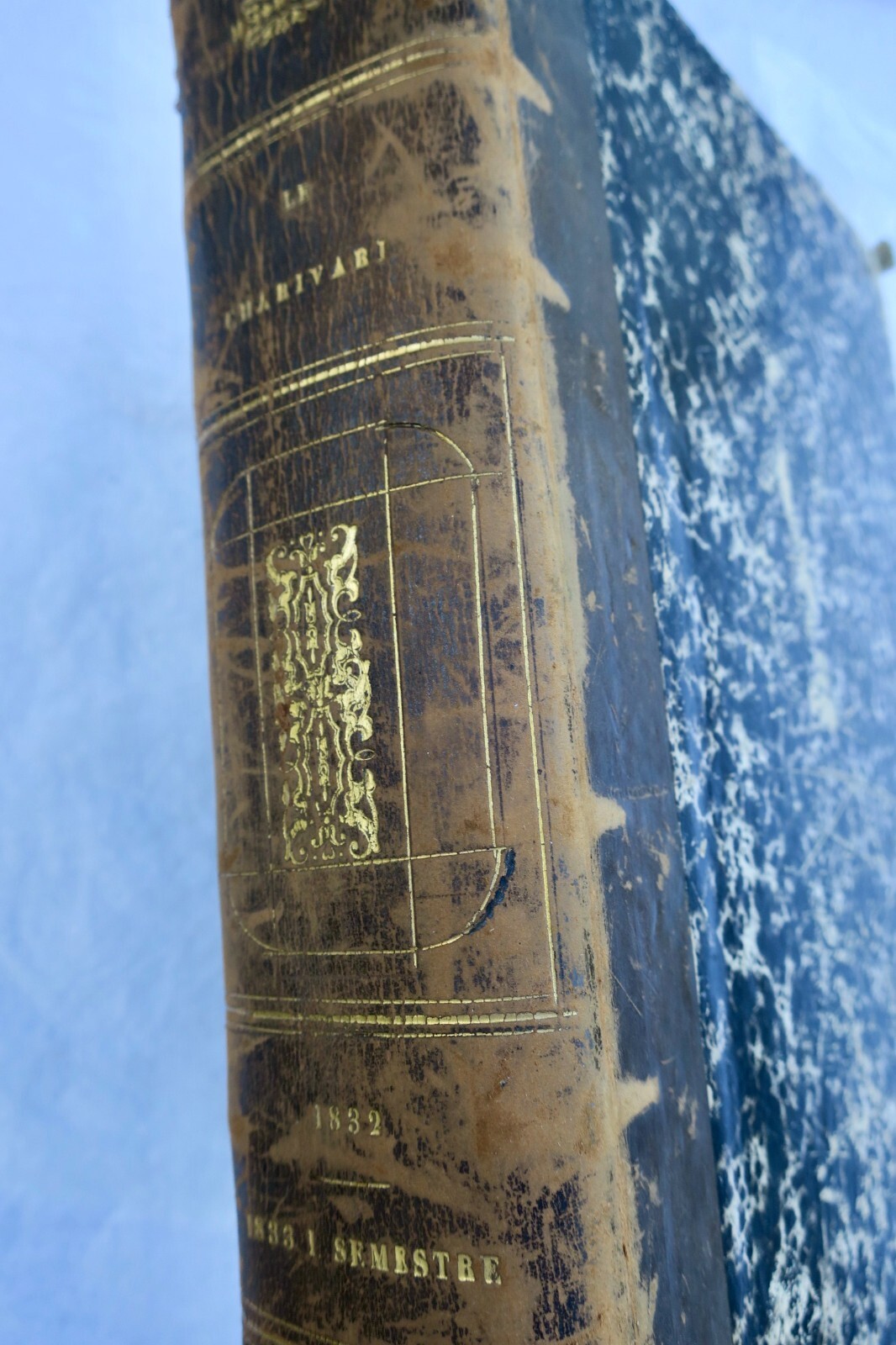
Half‑leather binding, rubbed edges, 24 × 31 cm, from 1 December 1832 to 30 June 1833, 211 issues.
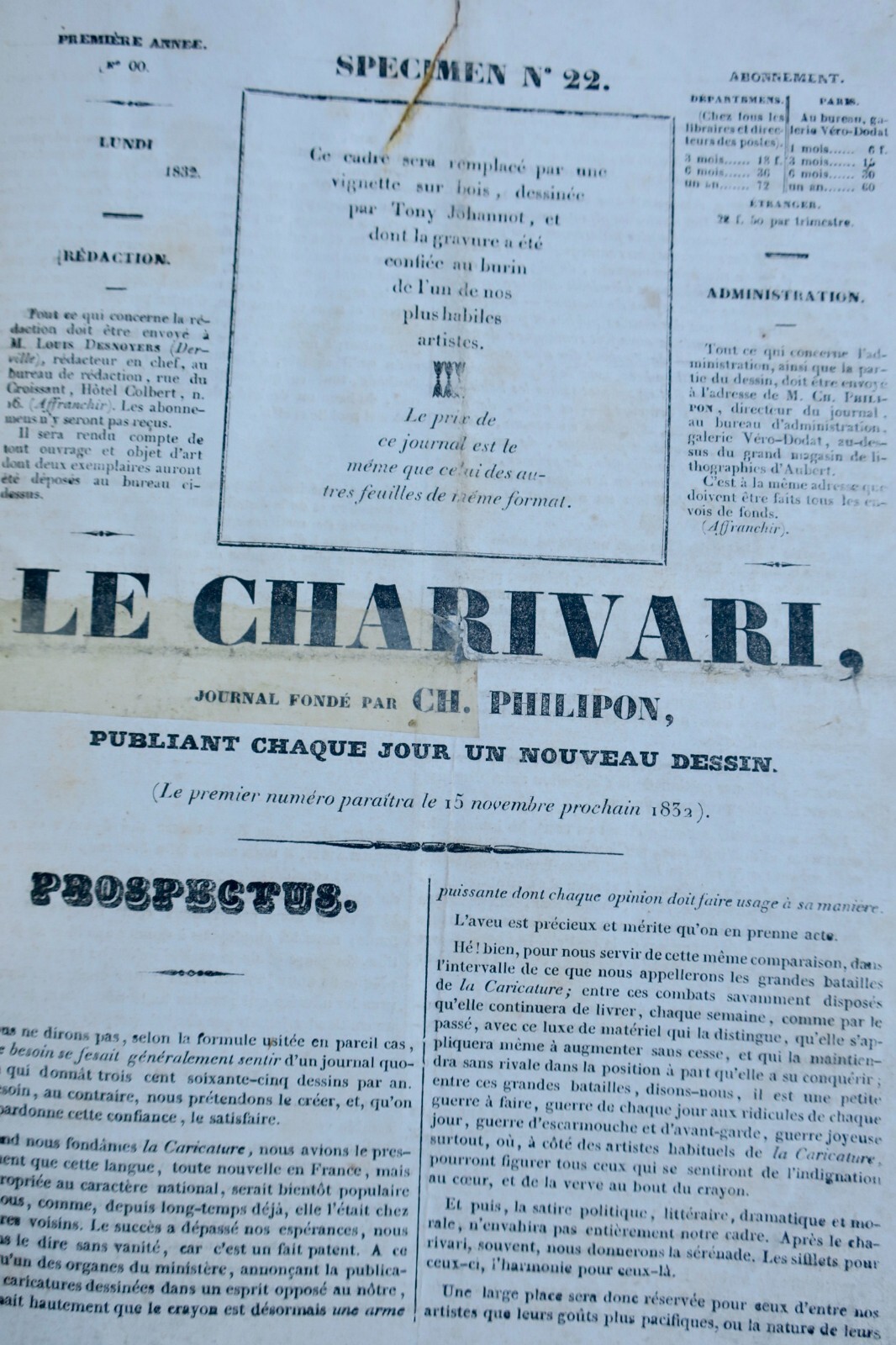
In the first page, a specimen announcing the daily publishing method of the newspaper, 2 sheets cut in half (but without missing pages), missing the lithograph sheet of nos. 31, 38, 41, 43, 45, 49, 55, 58, 61, 65, 67, 71, 74, 78, 80, 82, 85, 88, 100, 103, 108, 115, 119, 120, 130, 137, 140, 141, 144, 157, 170, 173, 174, 180, 181, 182, 183, 184, 186, 187, 189, 190, 193, 194, 195, 196, 200, 202, 203, 204, 211, 212, some foxing, some marginal tears, a partial loss on 2 lithographs, one in colour.
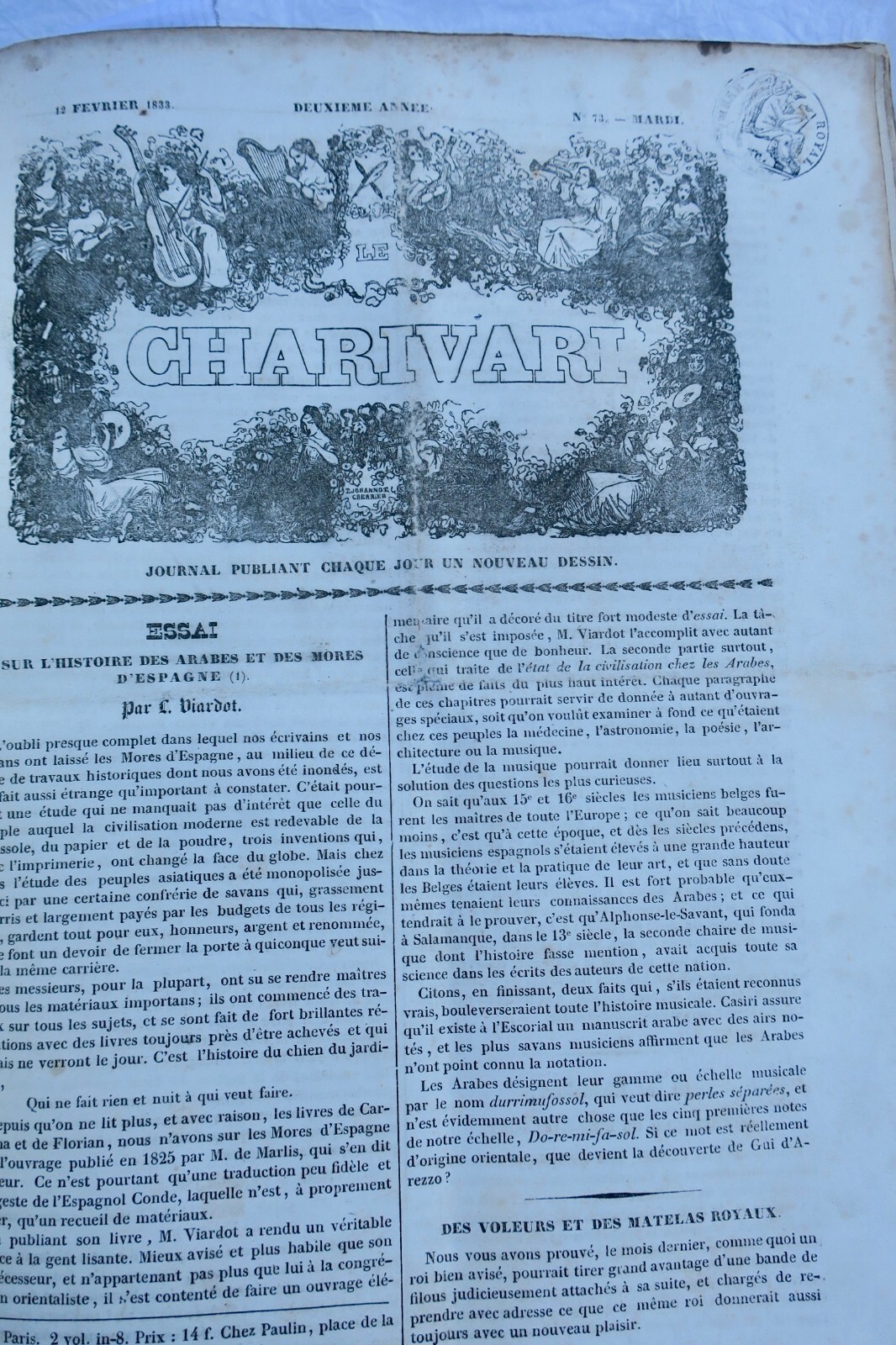
Each No. bearing the “Timbre Royal” stamp, with the folds of postal shipments.
Le Charivari is a French newspaper and the world’s first illustrated satirical daily, published from 1832 to 1937.
Founded on 1 December 1832 by Charles Philipon as a republican opposition journal to the July Monarchy, the satirical newspaper with a distractive purpose asserted itself over its history as radical, conservative, republican, or anti‑clerical. Its most notable authors included Taxile Delord and Agénor Altaroche, and its most prominent caricaturists were, among others, Philipon, Nadar, Gustave Doré, Honoré Daumier, Henri Rochefort, Cham and Gavarni.
LA LIBRAIRIE ANTIQUE
Independent bookshop since 1995, Paris
Worldwide shipping · SLAM membership pending[*]
[*] Membership of the Syndicate of Antiquarian and Modern Booksellers in progress.
Tell us what is not working, we fix things quickly. The page you are on is attached automatically.