You cannot add that amount to the cart — we have 1 in stock and you already have 1 in your cart. View cart
“Selected Letters of Madame de Sévigné❦ Sévigné Lettres choisies de Madame de Sévigné” has been added to your cart. Continue shopping
“DOCTEUR CAMUSET. Poèmes et Sonnets du Docteur. Illustrés par J.Touchet” has been added to your cart. Continue shopping
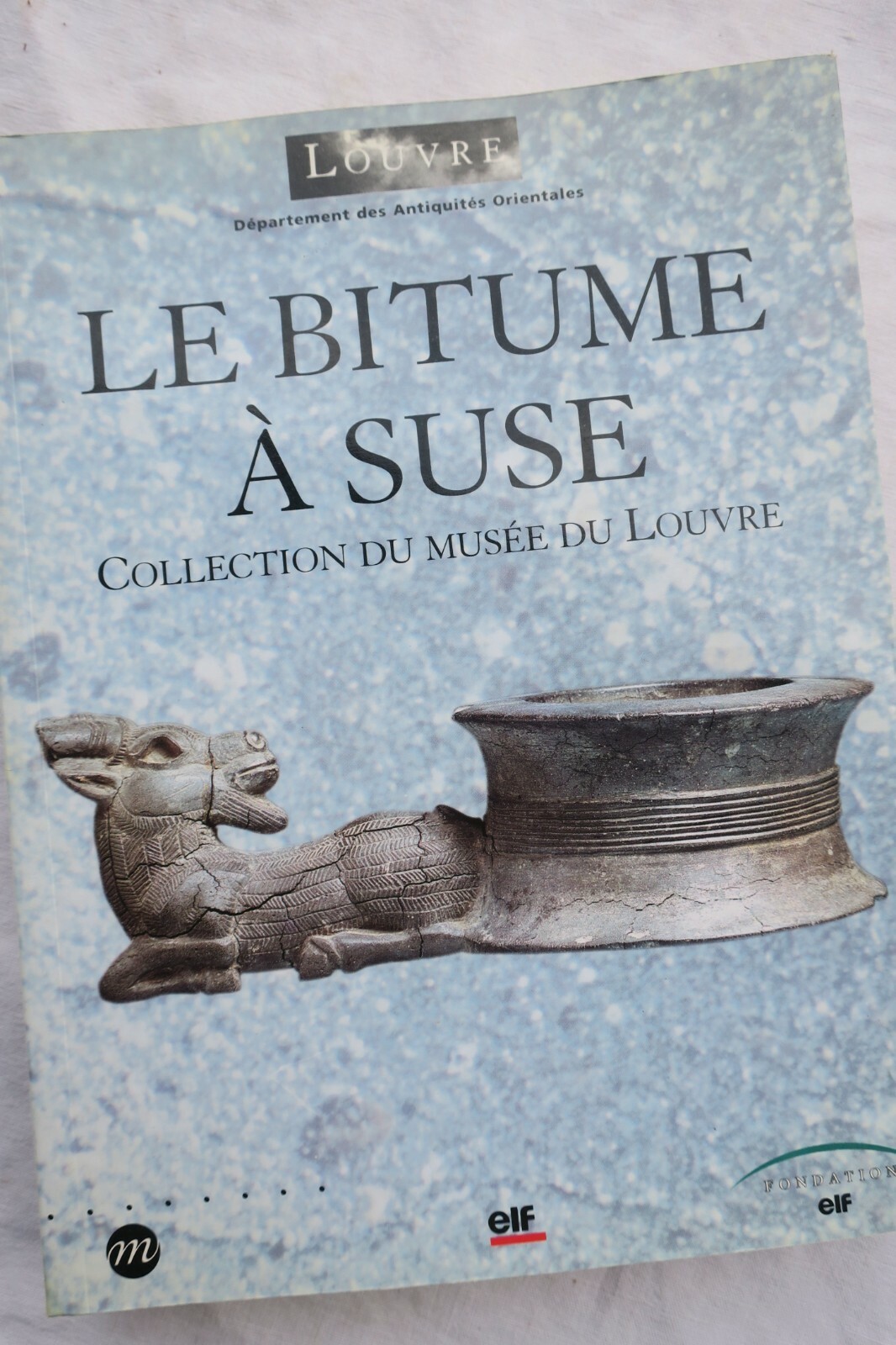
Bitumen artifacts from Suse in the Louvre Museum
Original title :SUSE Le bitume à Suse - collection du musée du louvre
36,00€
In stock
Top fiabilité eBay depuis 19958 247 avis positifsLivraison soignée + suiviPaiement sécurisé
About this book
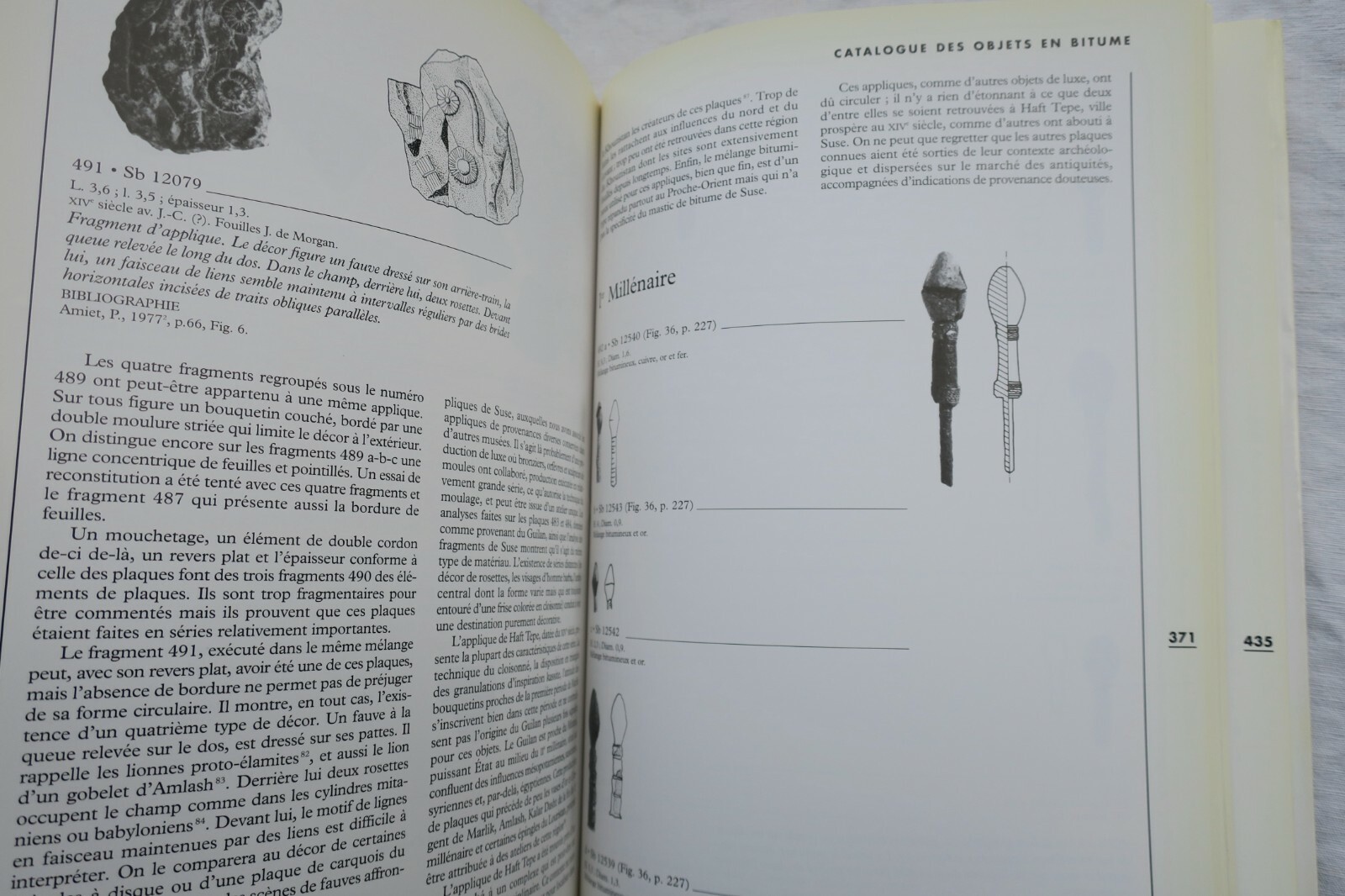
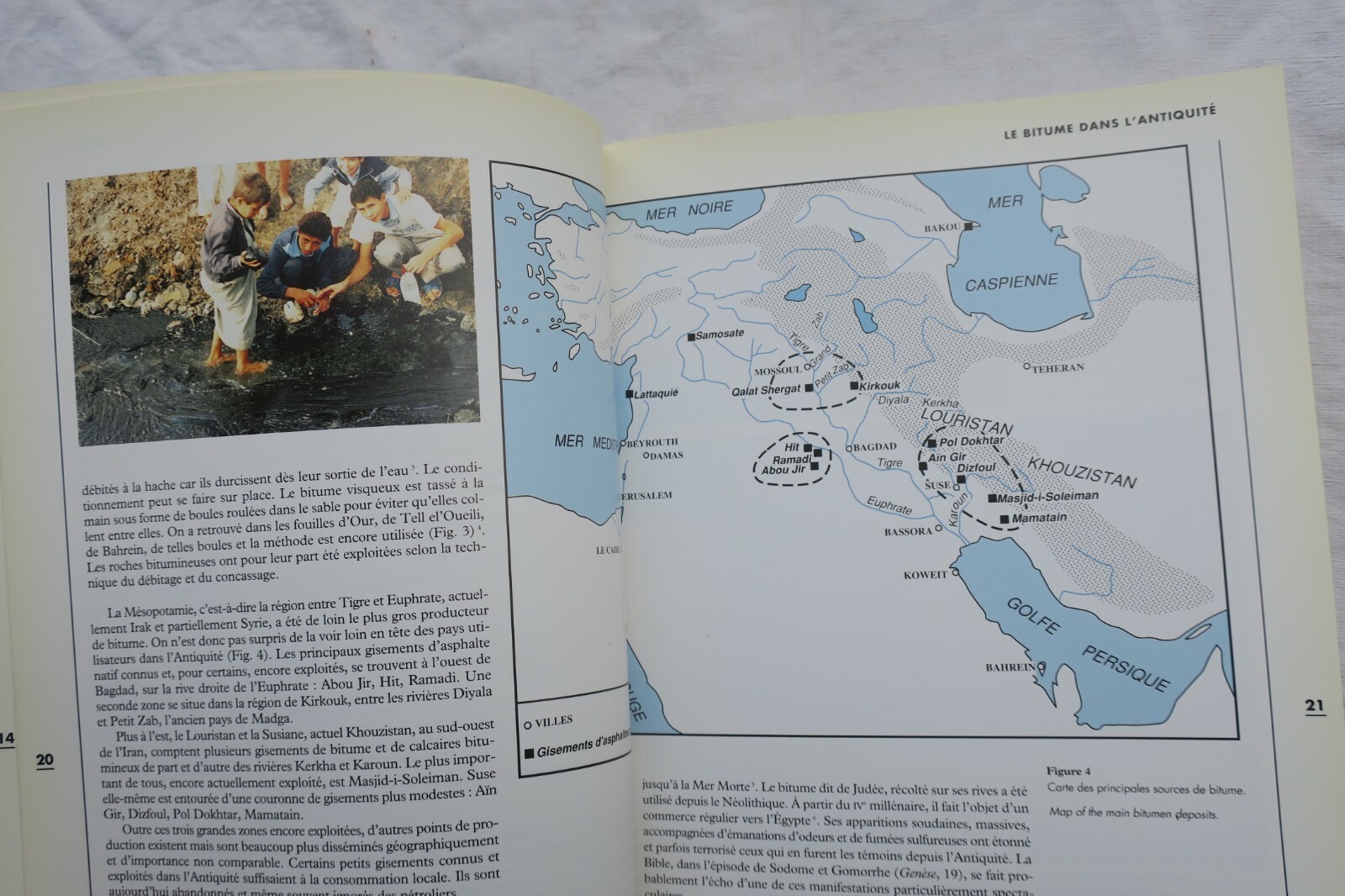
Jacques Connan, Odile Deschesne. Le bitume à Suse - collection du musée du louvre. Paris: 1996, softcover, quarto format, 444 pages. Fine copy. Unusual and unique collection of bitumen objects from Suse in the Louvre Museum, presented here with a fully illustrated catalog and original scholarly study. Common uses of bitumen have been known since the Neolithic period: construction, caulking,…
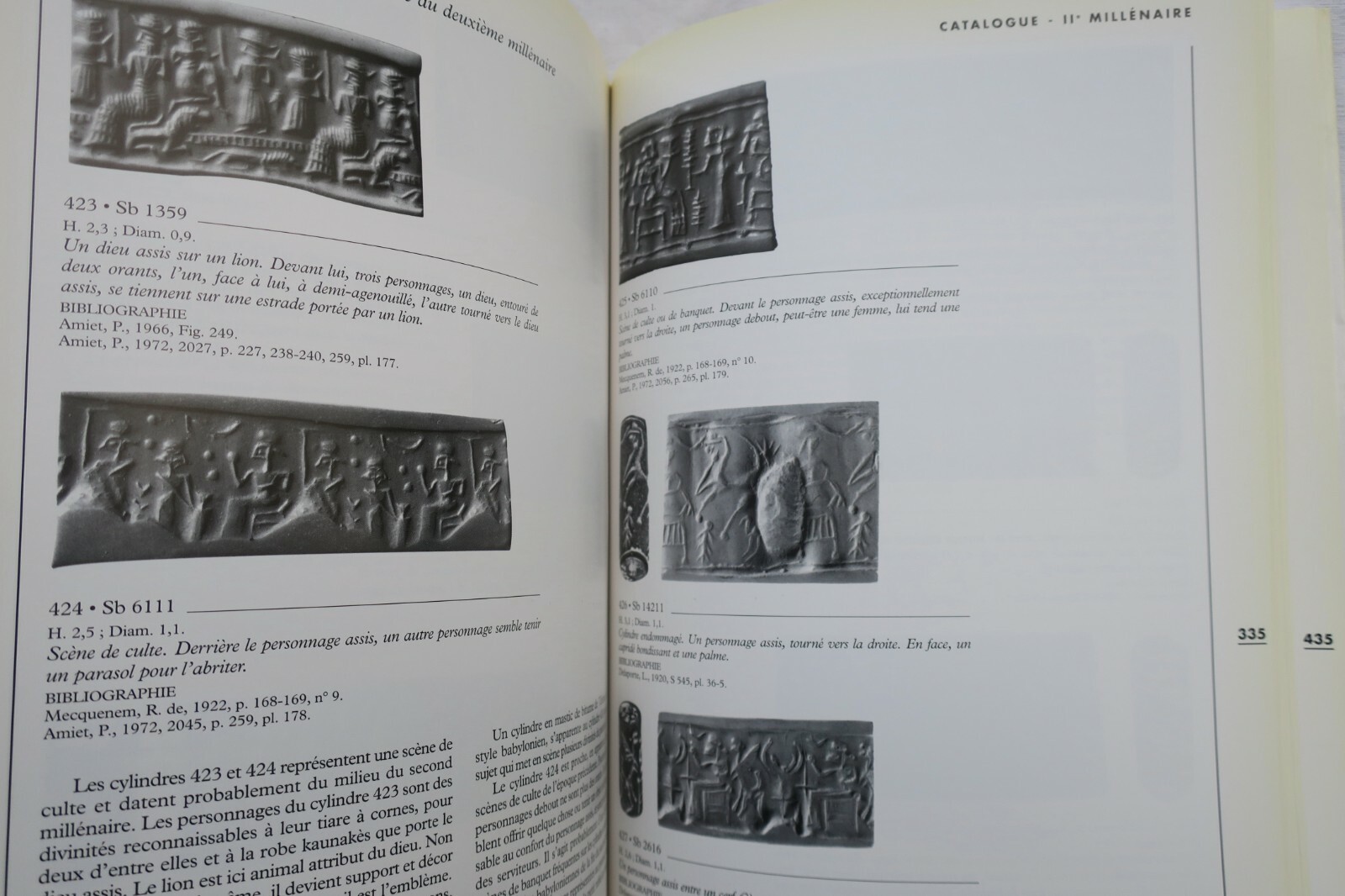
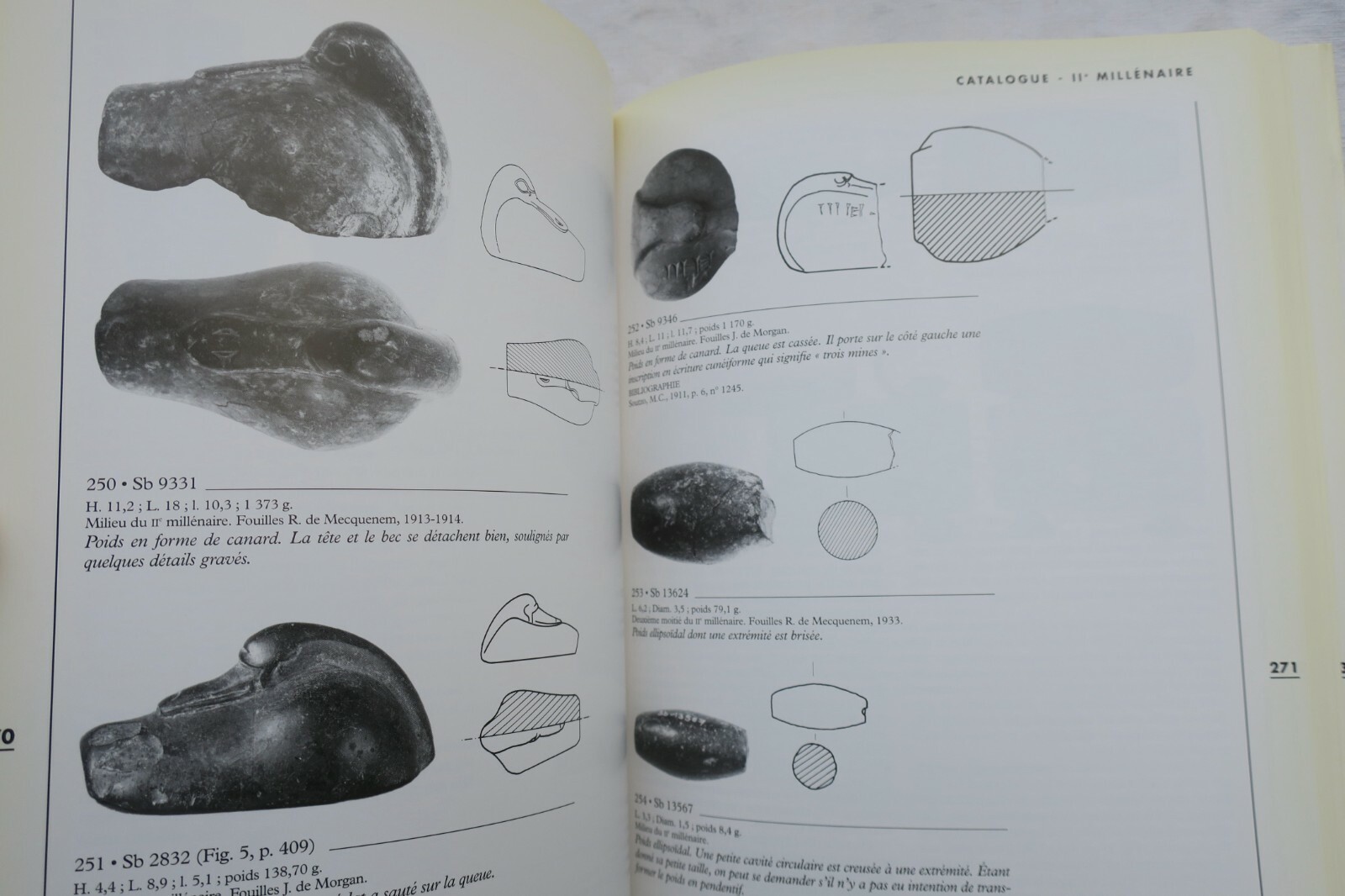
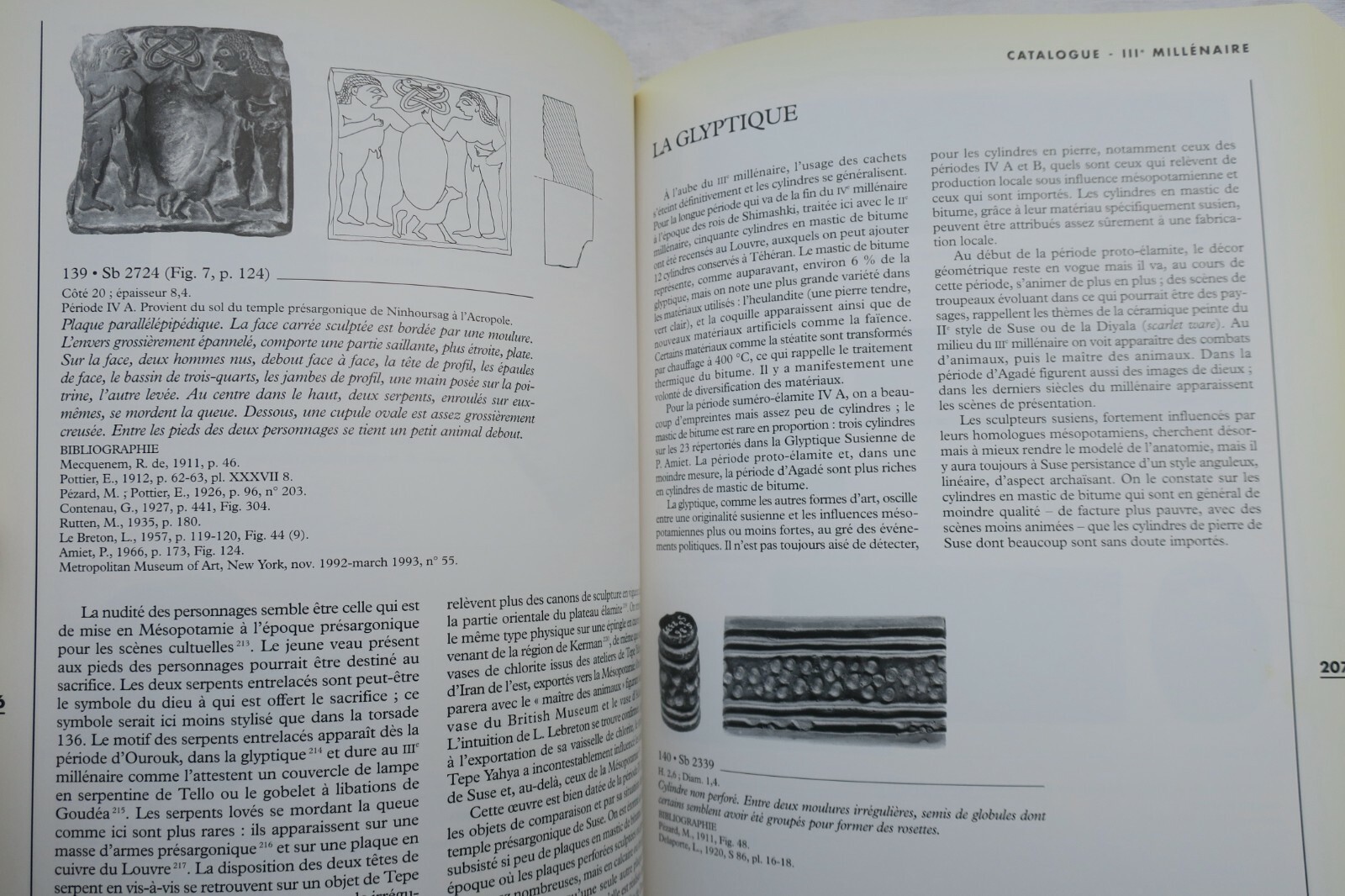
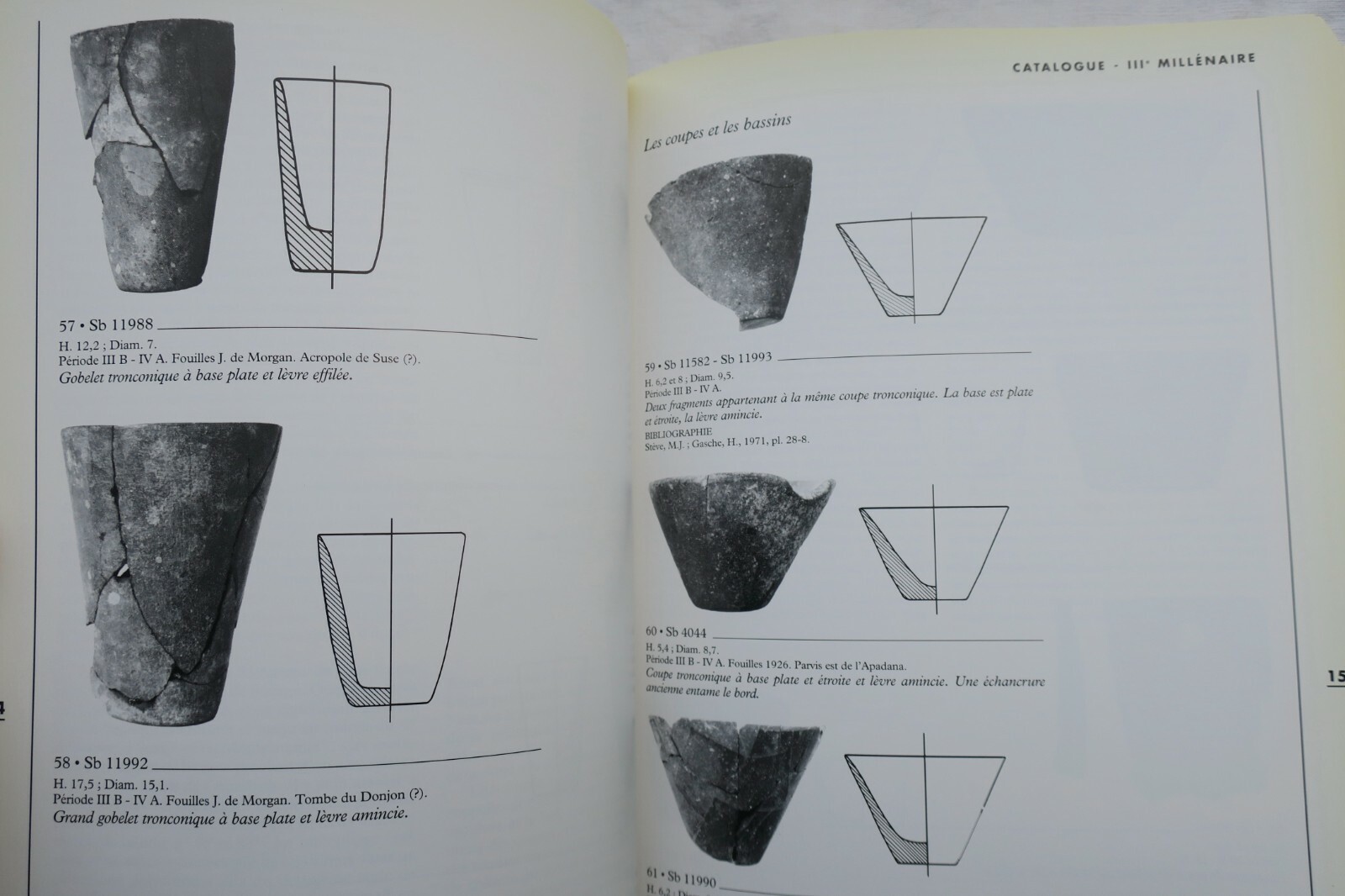
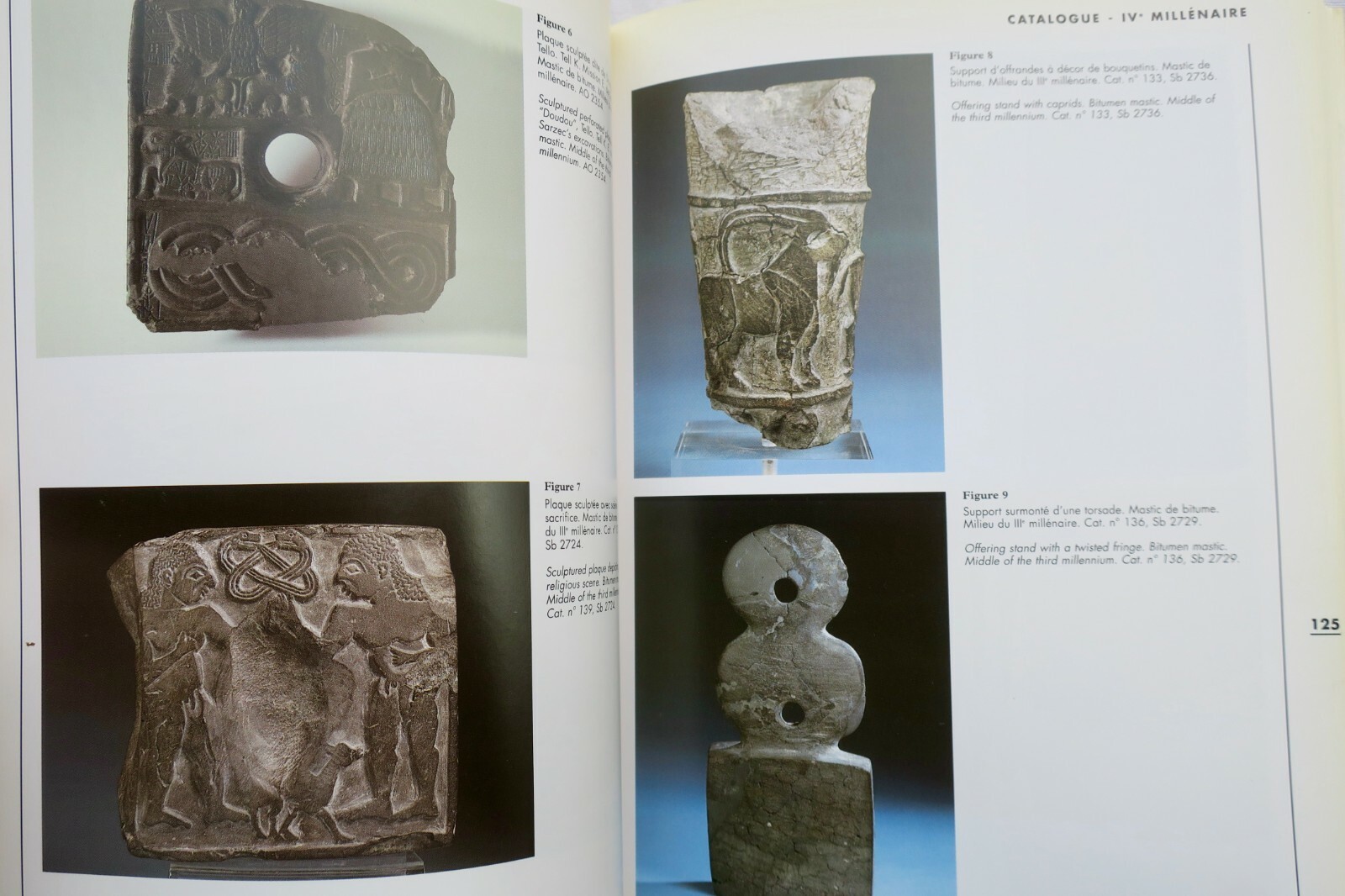
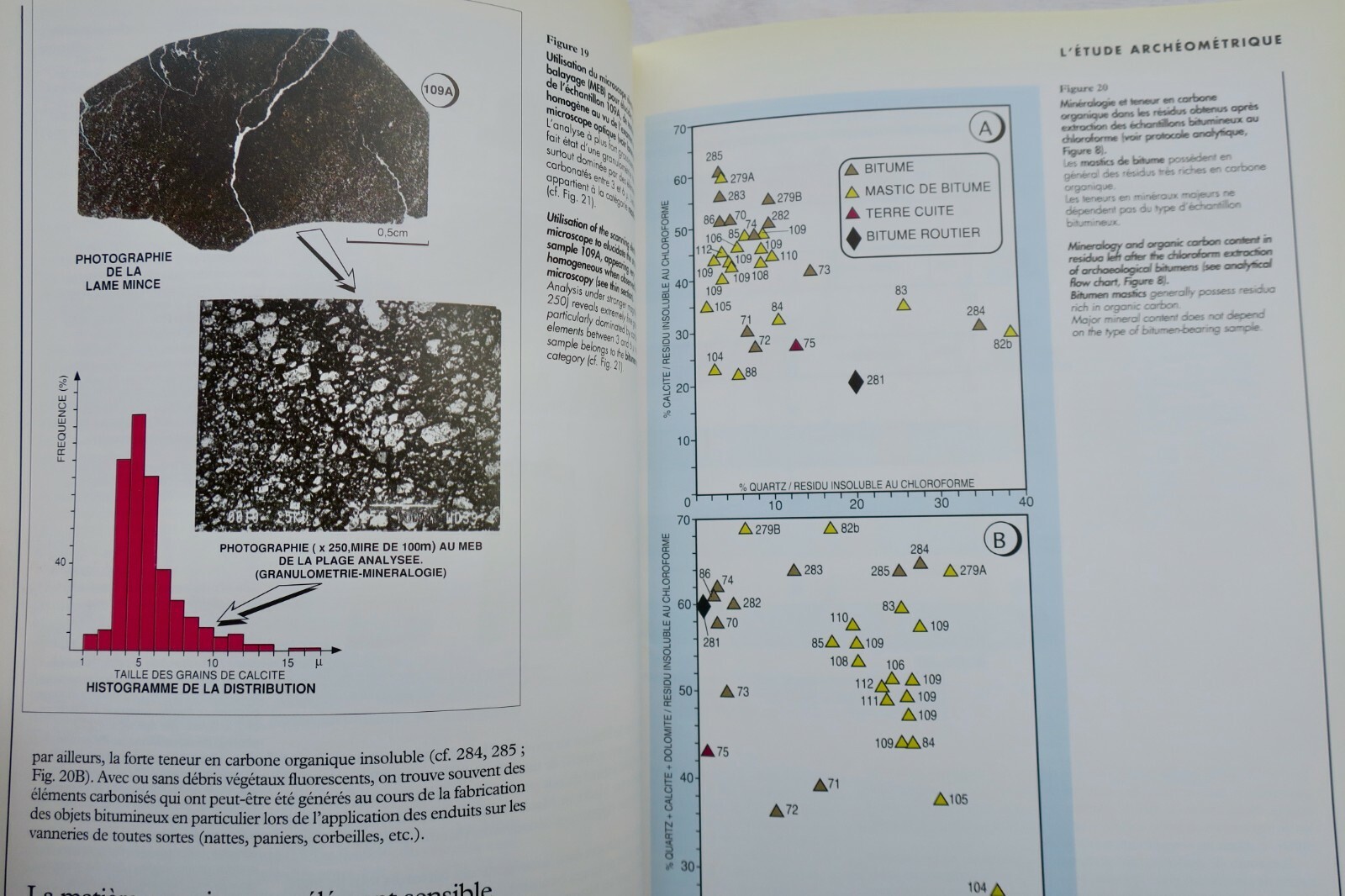
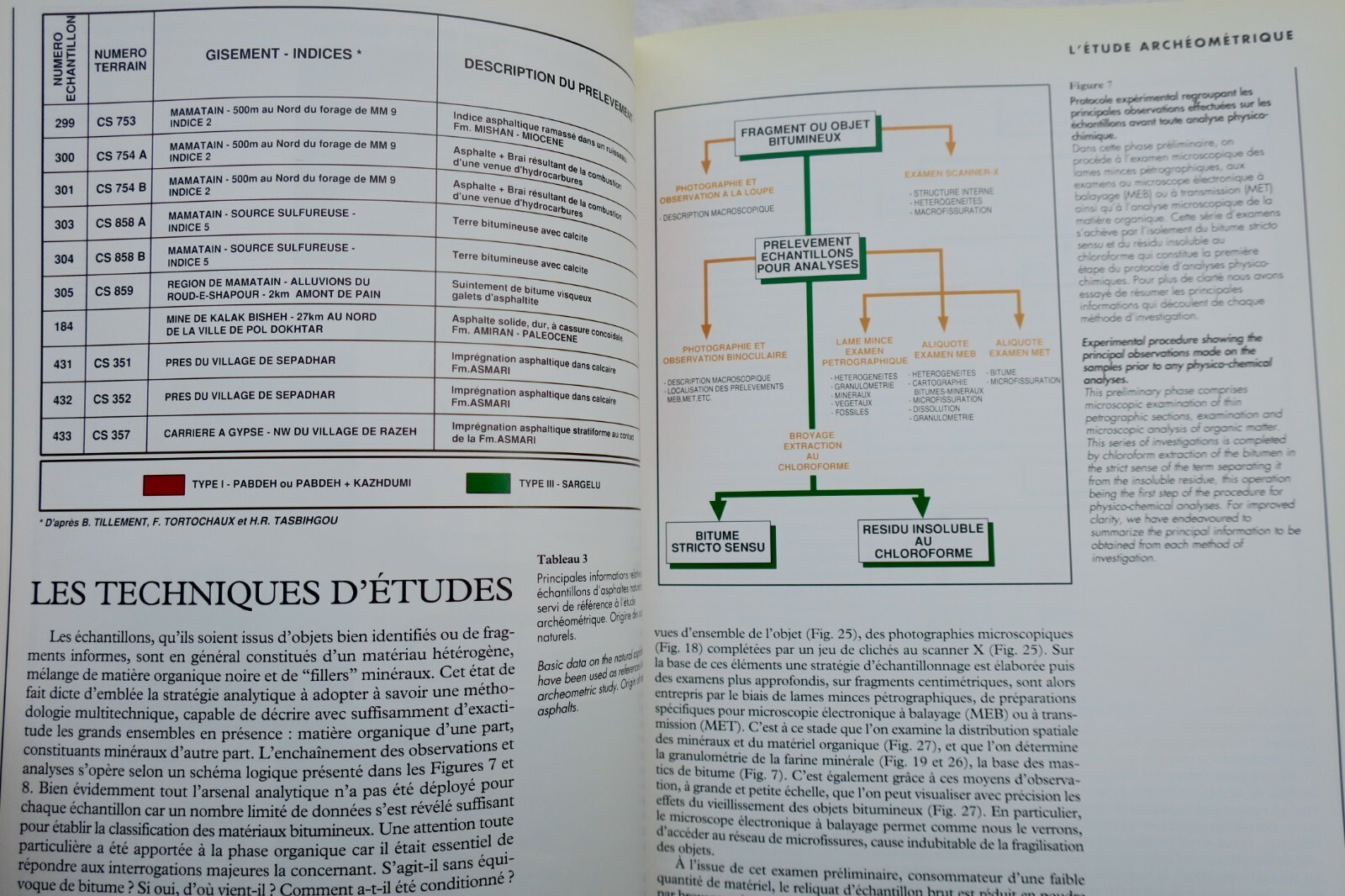
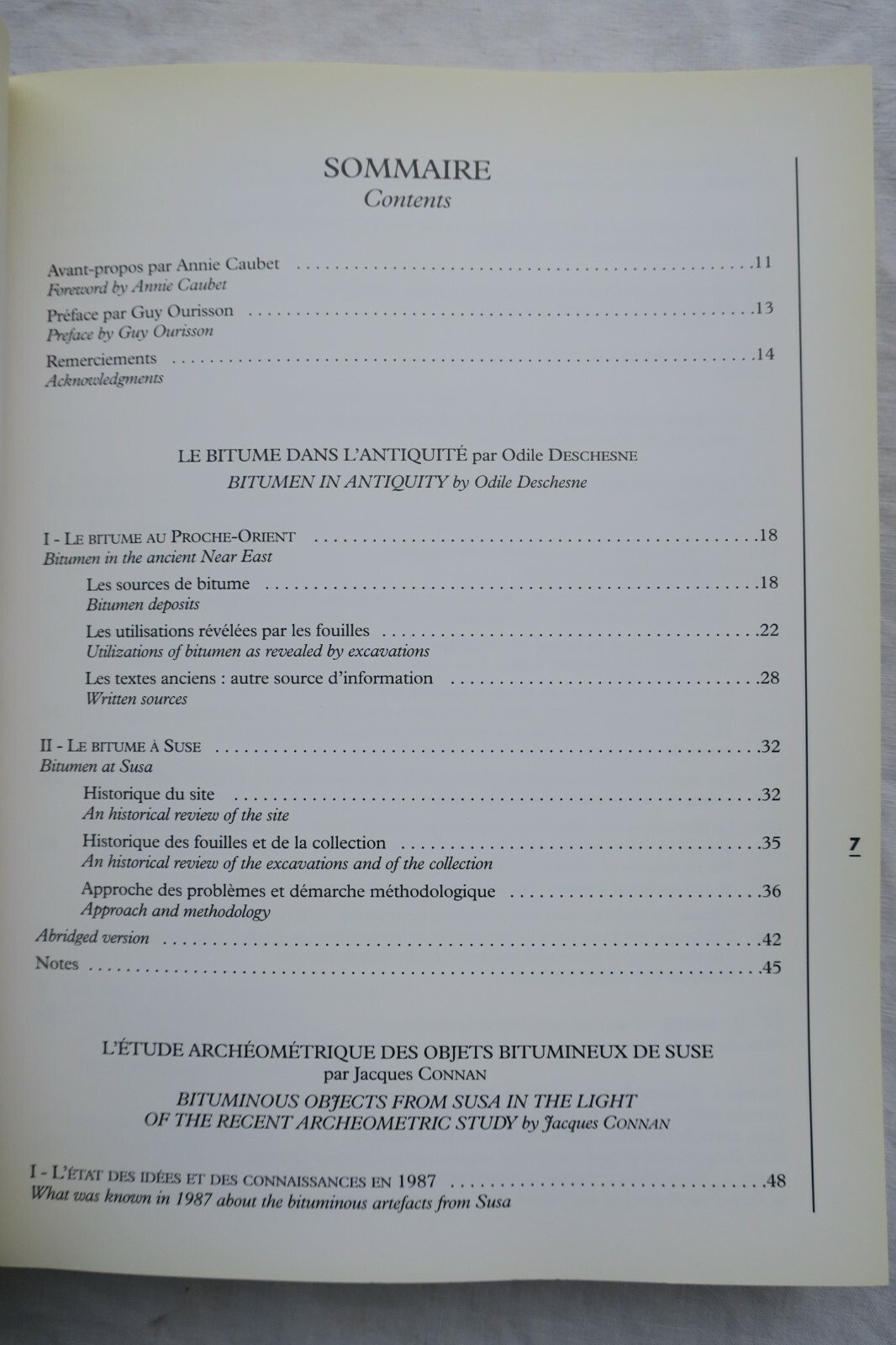
Jacques Connan, Odile Deschesne. Le bitume à Suse - collection du musée du louvre. Paris: 1996, softcover, quarto format, 444 pages. Fine copy. Unusual and unique collection of bitumen objects from Suse in the Louvre Museum, presented here with a fully illustrated catalog and original scholarly study. Common uses of bitumen have been known since the Neolithic period: construction, caulking, various sealings, and other now-obsolete applications including medicine, antisepsis, and magic. From the 4th millennium BC onwards, bitumen also appears as a component of composite material—bitumen mastic—used as a stone substitute by sculptors. This book's first revelation is the archaeometric study of this mastic, whose composition and manufacturing process were previously unknown. Another discovery: the artistic and plastic qualities of the Louvre collection, previously known and appreciated only by specialists. The collection includes both modest everyday objects and prestigious items decorated in high relief: vessels, stamps, cylinder seals, comparable in form and iconography to objects created in the same periods from stone, particularly alabaster. These results emerge from the convergence of two disciplines as distinct in their practices and objectives as archaeology and chemistry.