“Victor Hugos Rheinreise-Briefe❦ HUGO Victor Le Rhin – Lettres à un ami 1845” has been added to your cart. Continue shopping
“Bossuets Predigten über den Tod und Meditationen❦ BOSSUET Sermons sur la mort et méditaions 1921” has been added to your cart. Continue shopping
«Lucie Delarue-Mardrus Poèmes mignons pour les enfants» a été ajouté à votre panier. Poursuivre les achats
“Jean Bouret E. BELLINI collection Rythme plastique” has been added to your cart. Continue shopping
«VERVE Les Heures d’Anne de Bretagne» a été ajouté à votre panier. Poursuivre les achats
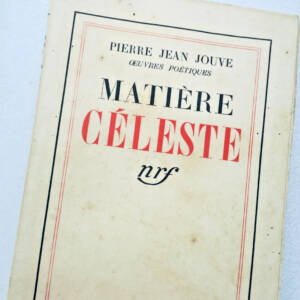
“Exploration of Celestial Matter❦ JOUVE Pierre Jean Matière Céleste” has been added to your cart. Continue shopping
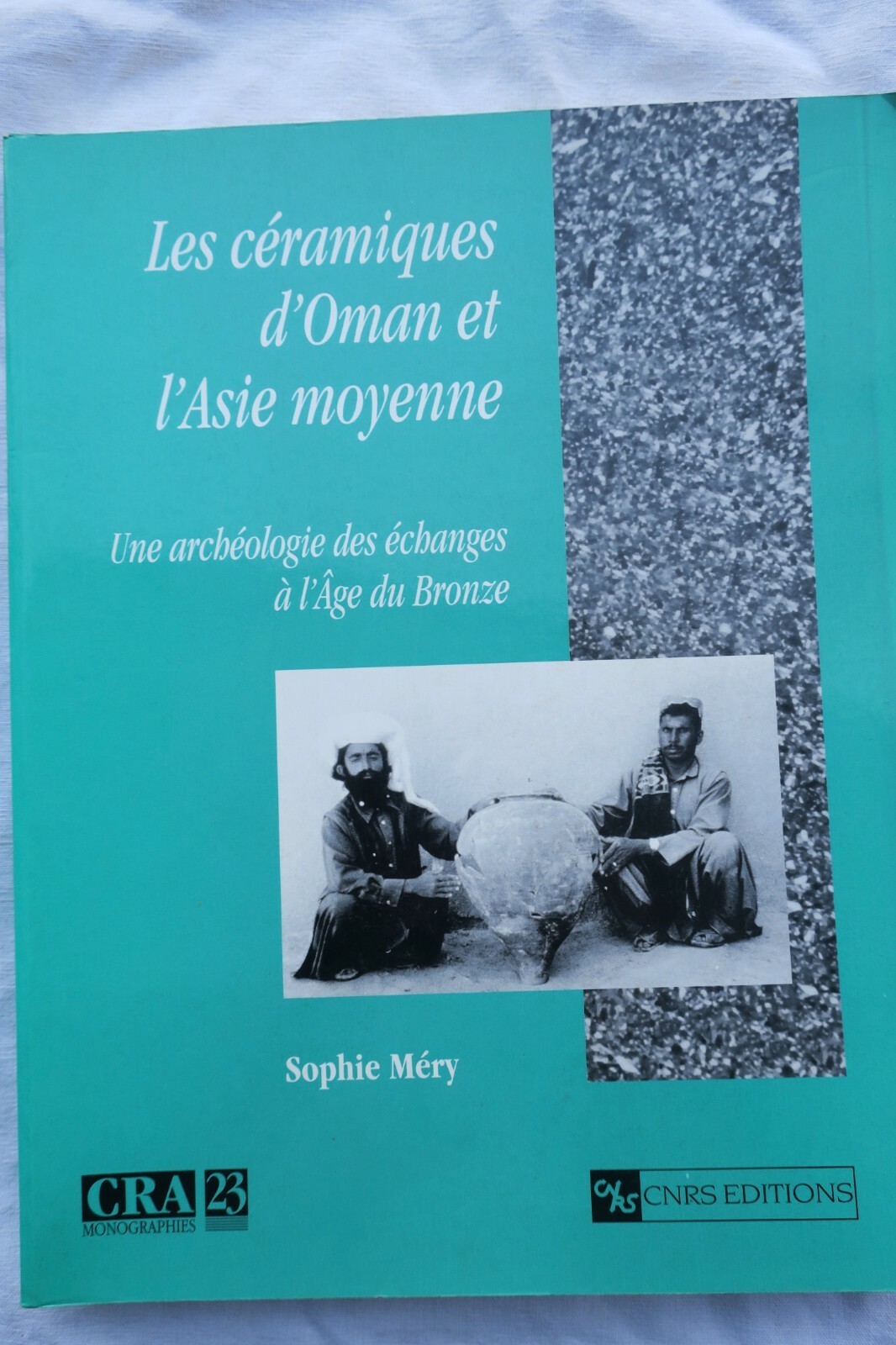
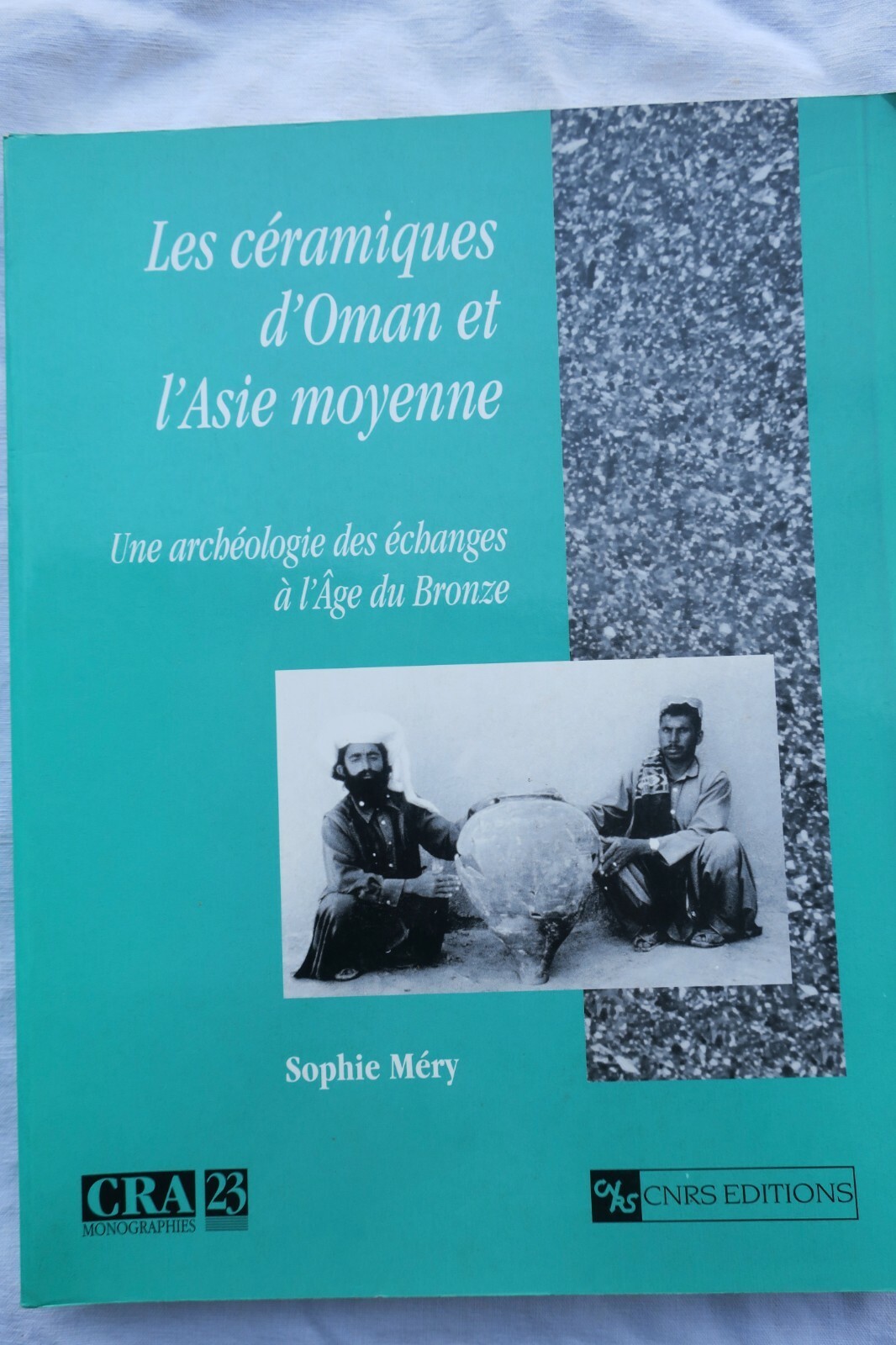
Omani Ceramics and Central Asia: Bronze Age Trade
Original title :céramiques d'Oman et l'Asie moyenne. Une archéologie des échanges
41,00€
In stock
Top fiabilité eBay depuis 19958 247 avis positifsLivraison soignée + suiviPaiement sécurisé
About this book
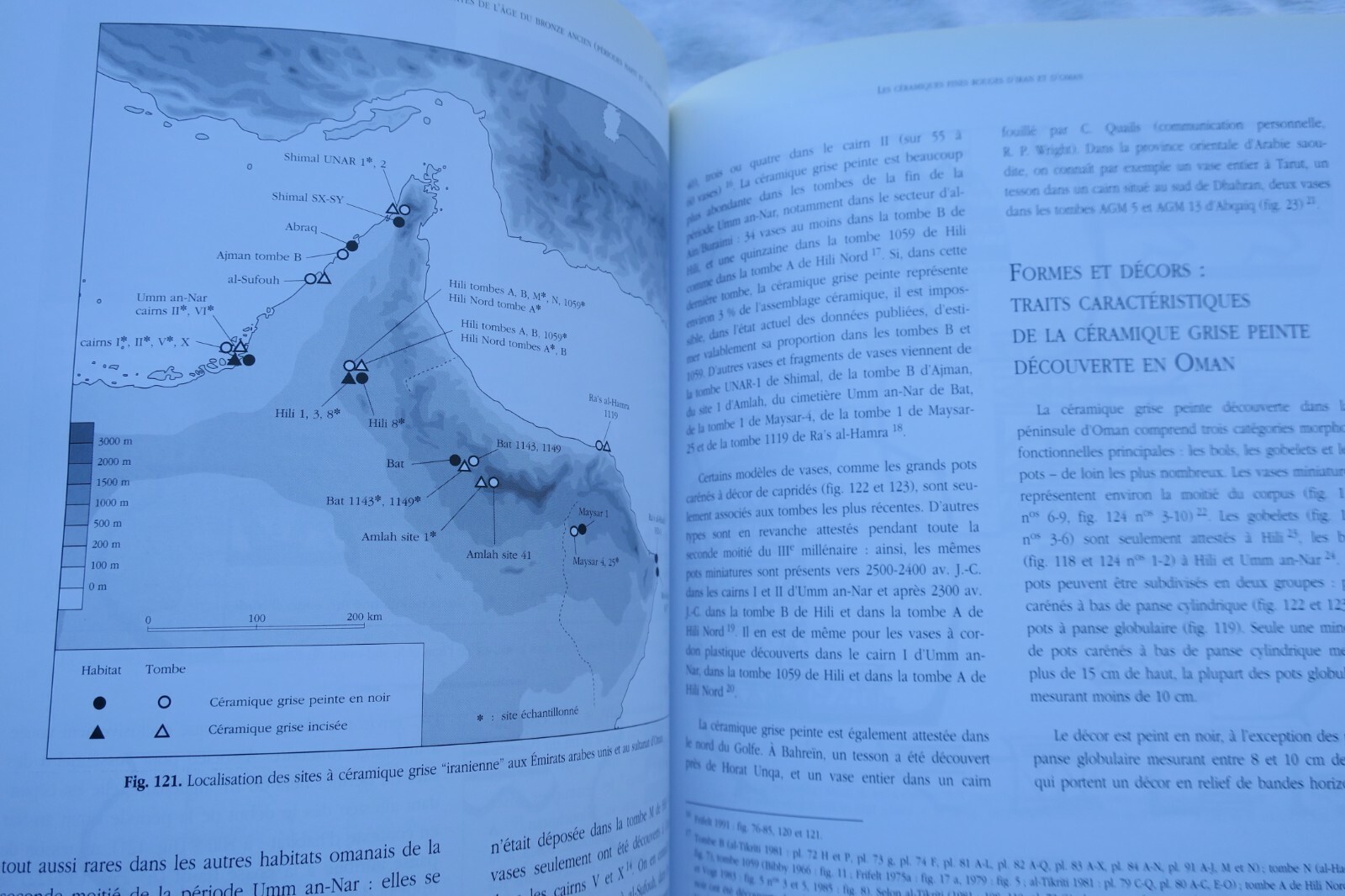
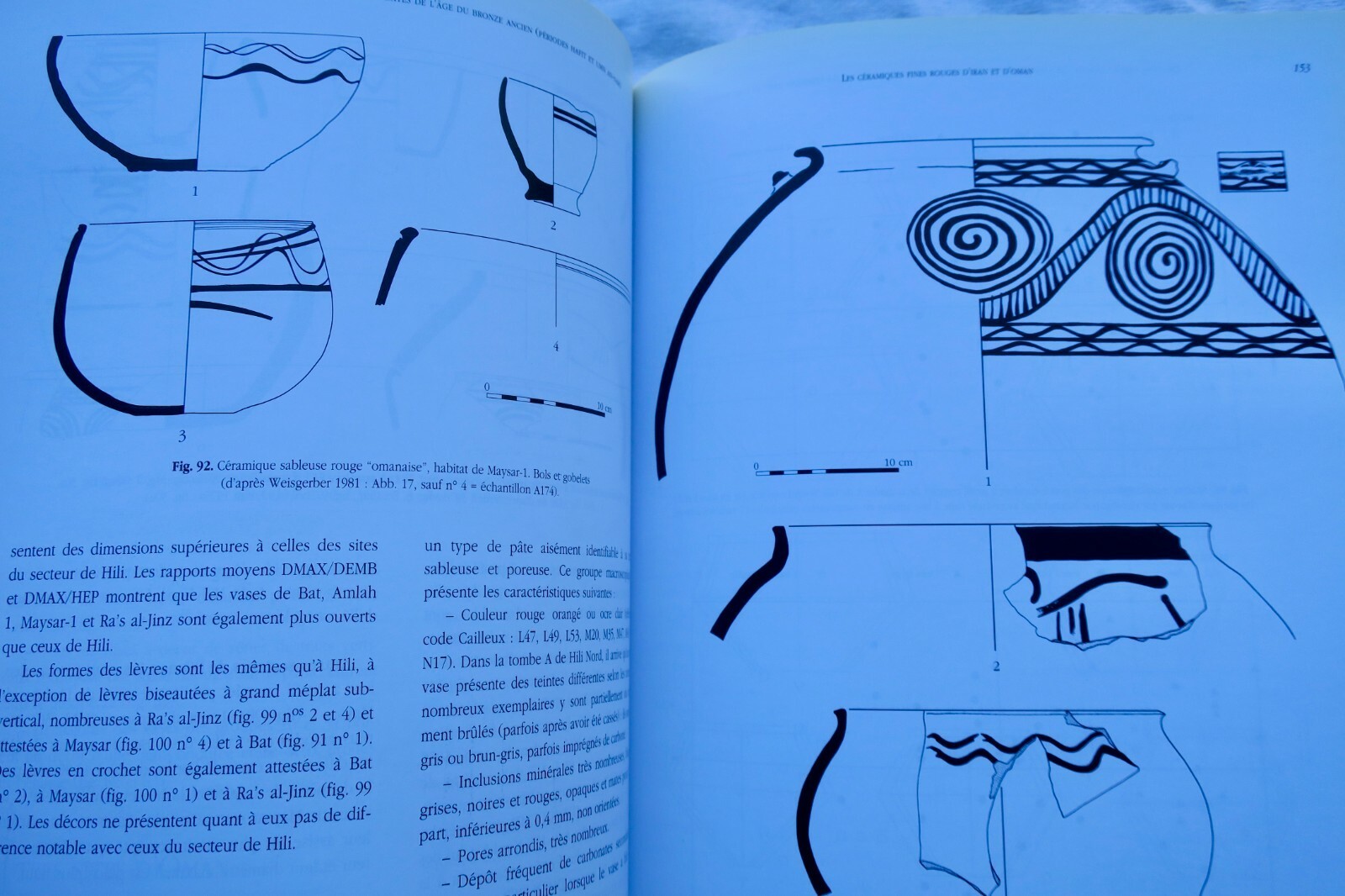
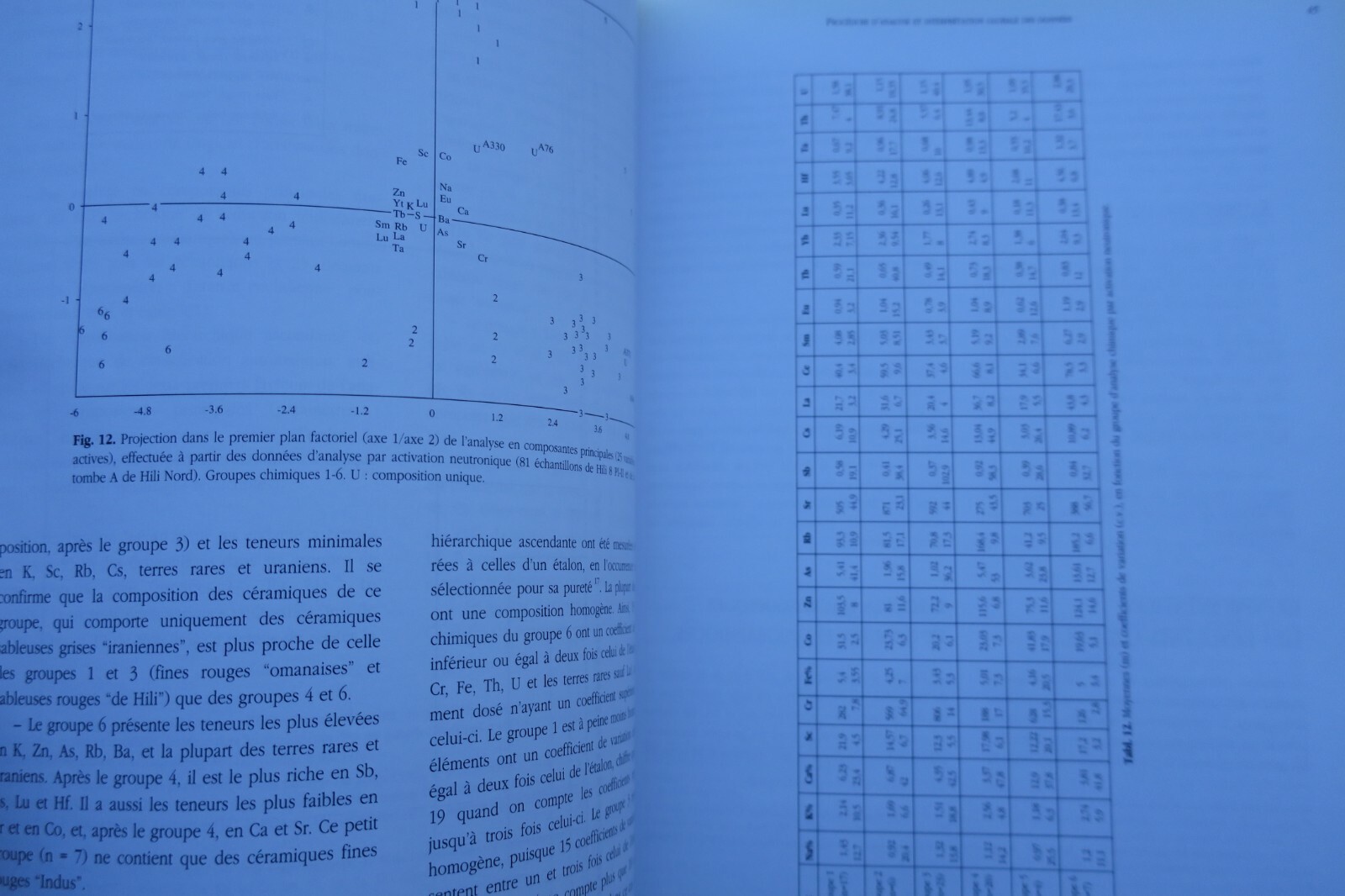
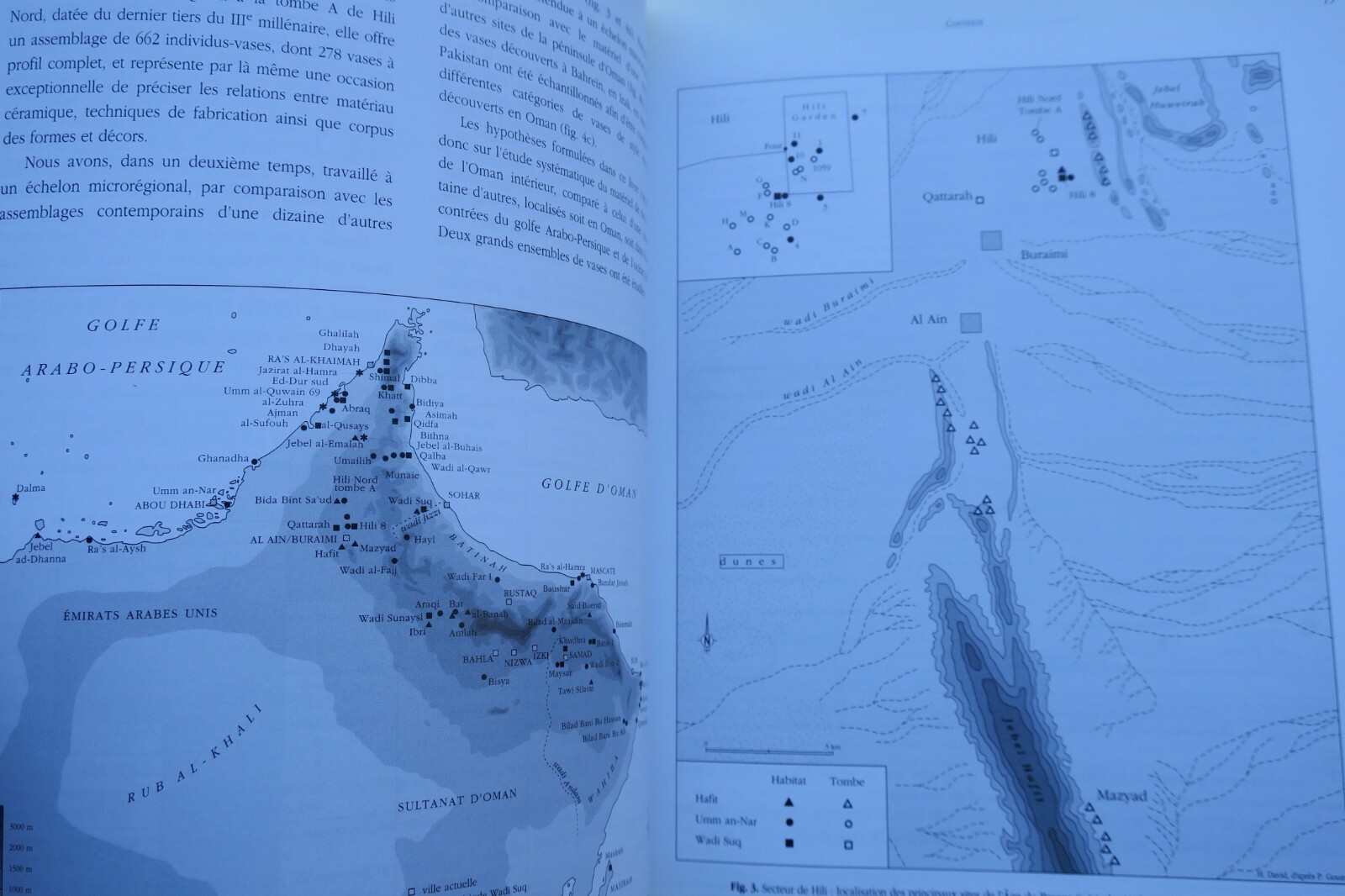
MERY, Dophie. Les céramiques d'Oman et l'Asie moyenne. Une archéologie des échanges à l'âge du Bronze. Paris, 2000. 314 pp. Today, the Omani peninsula remains a pioneering terrain for protohistoric archaeology. Over the past twenty years, research has multiplied in the United Arab Emirates and the Sultanate of Oman, both in oases and along the coasts of the Arabian-Persian Gulf…
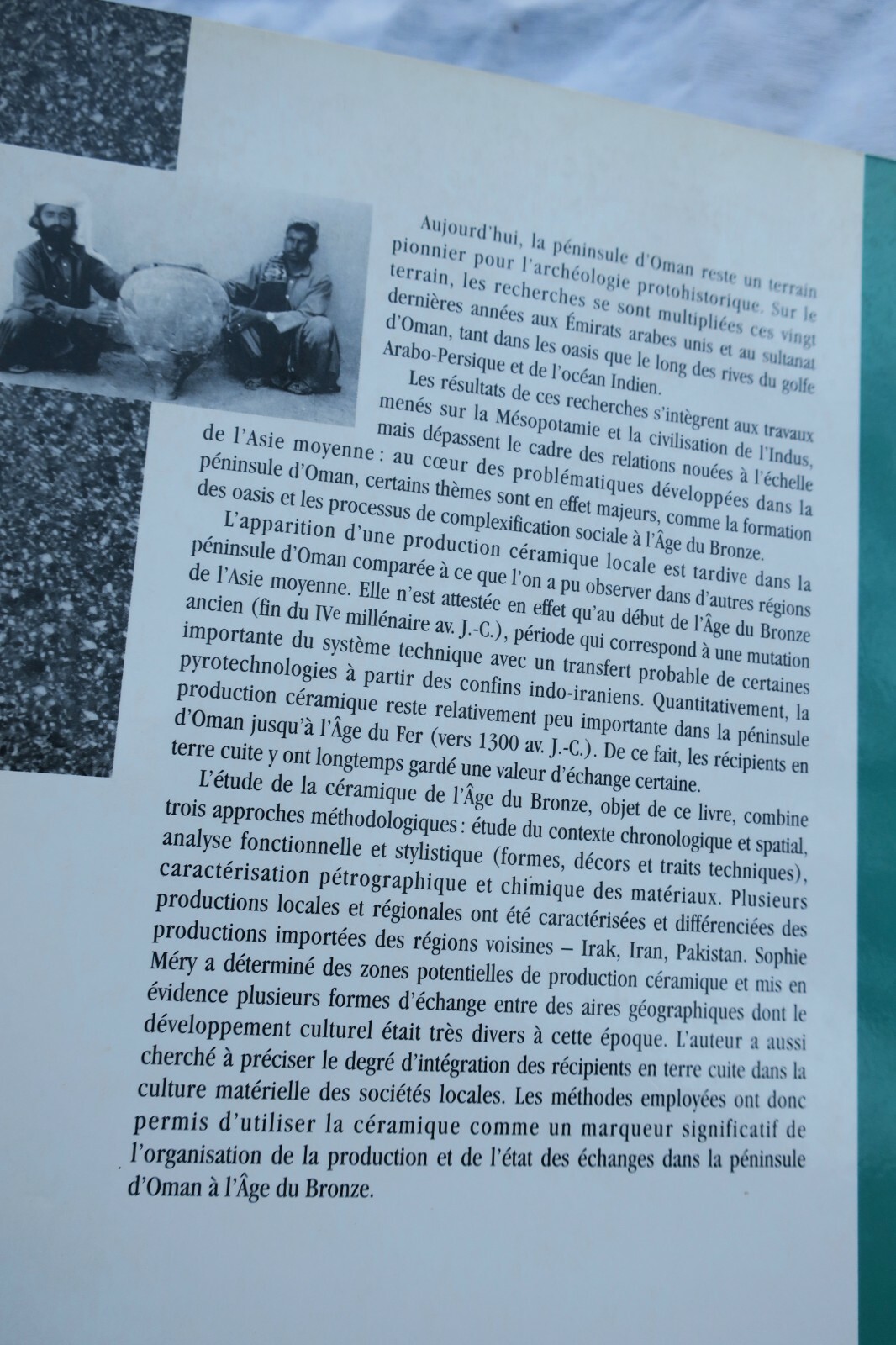
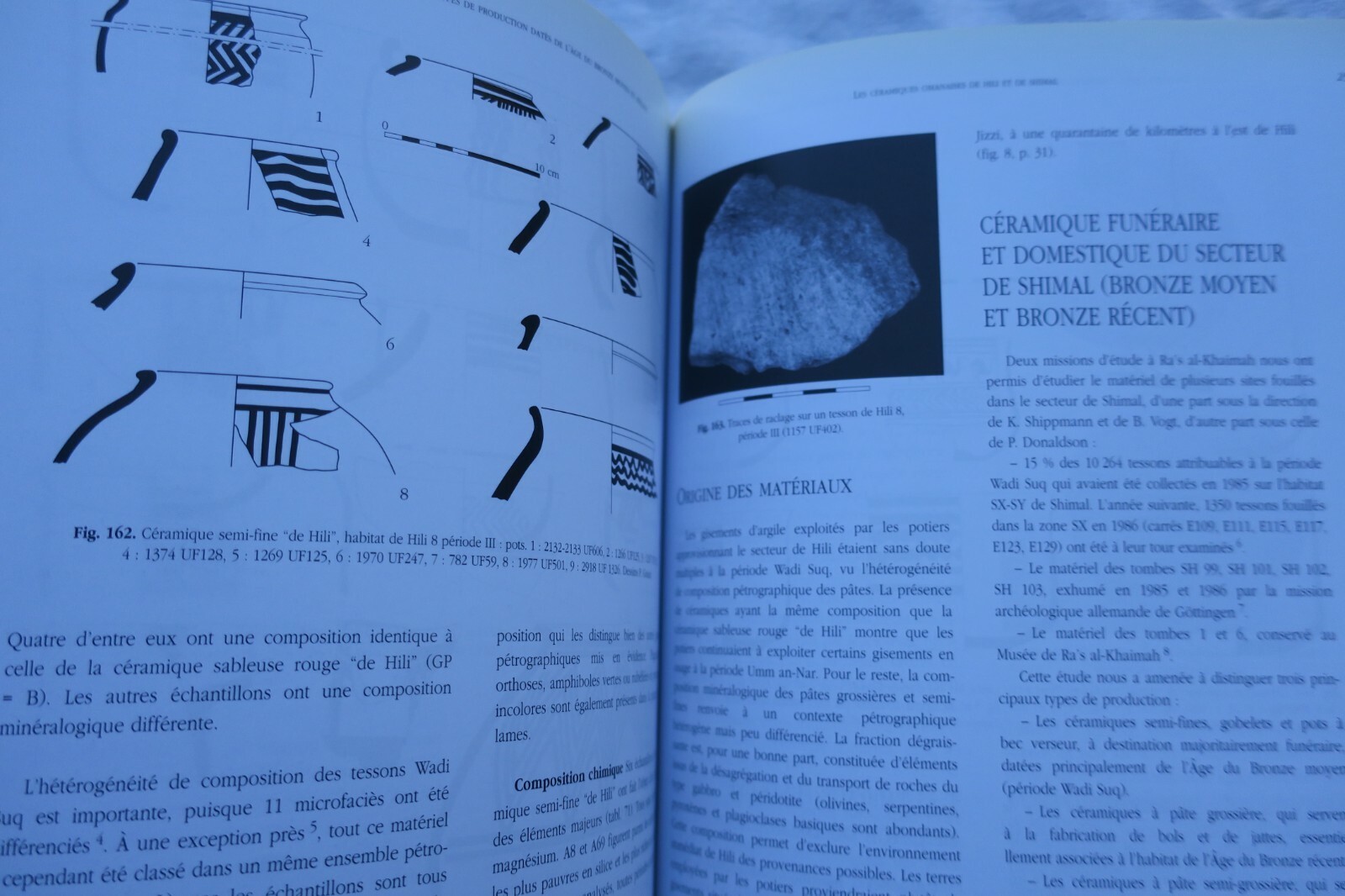
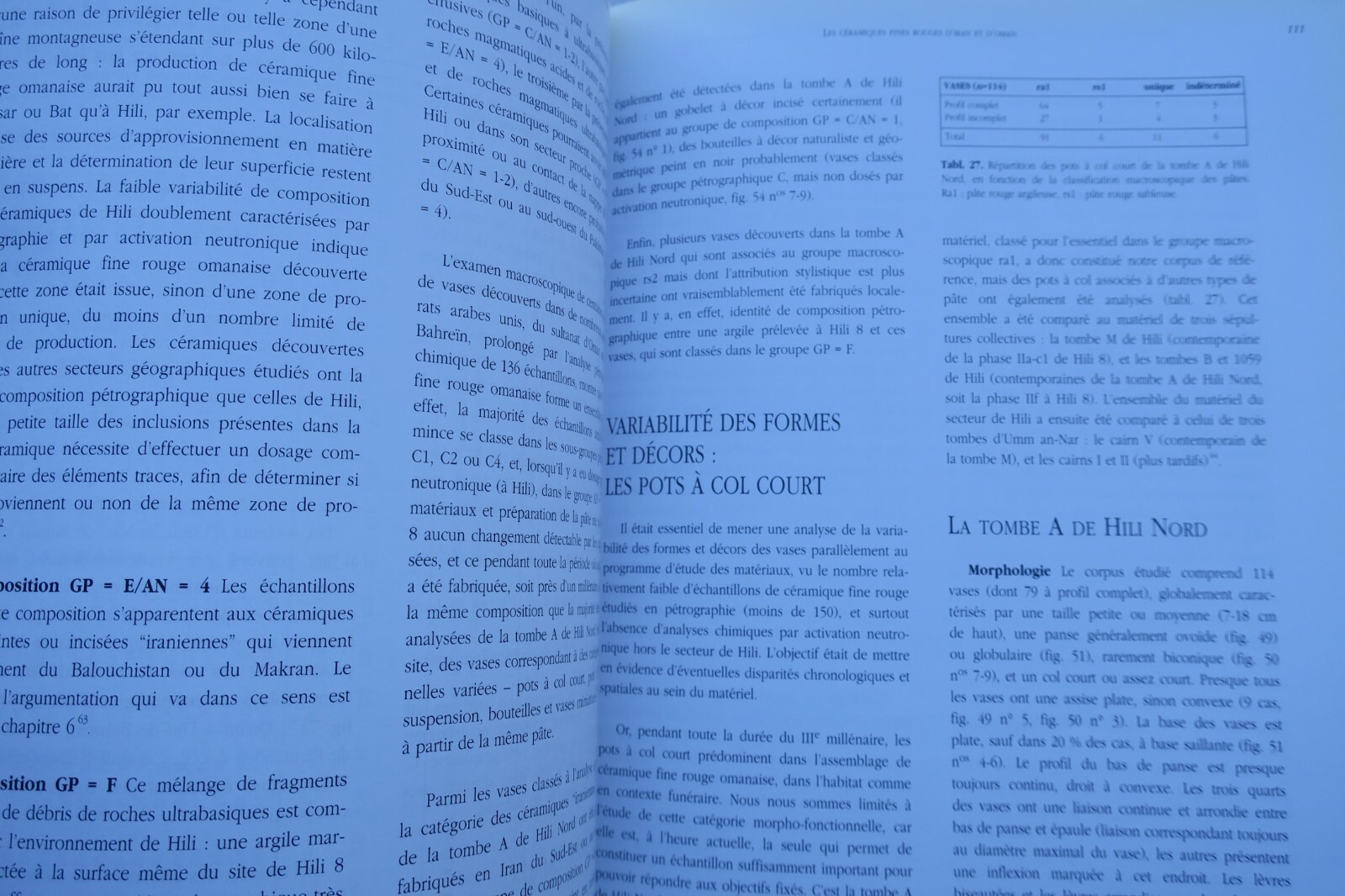
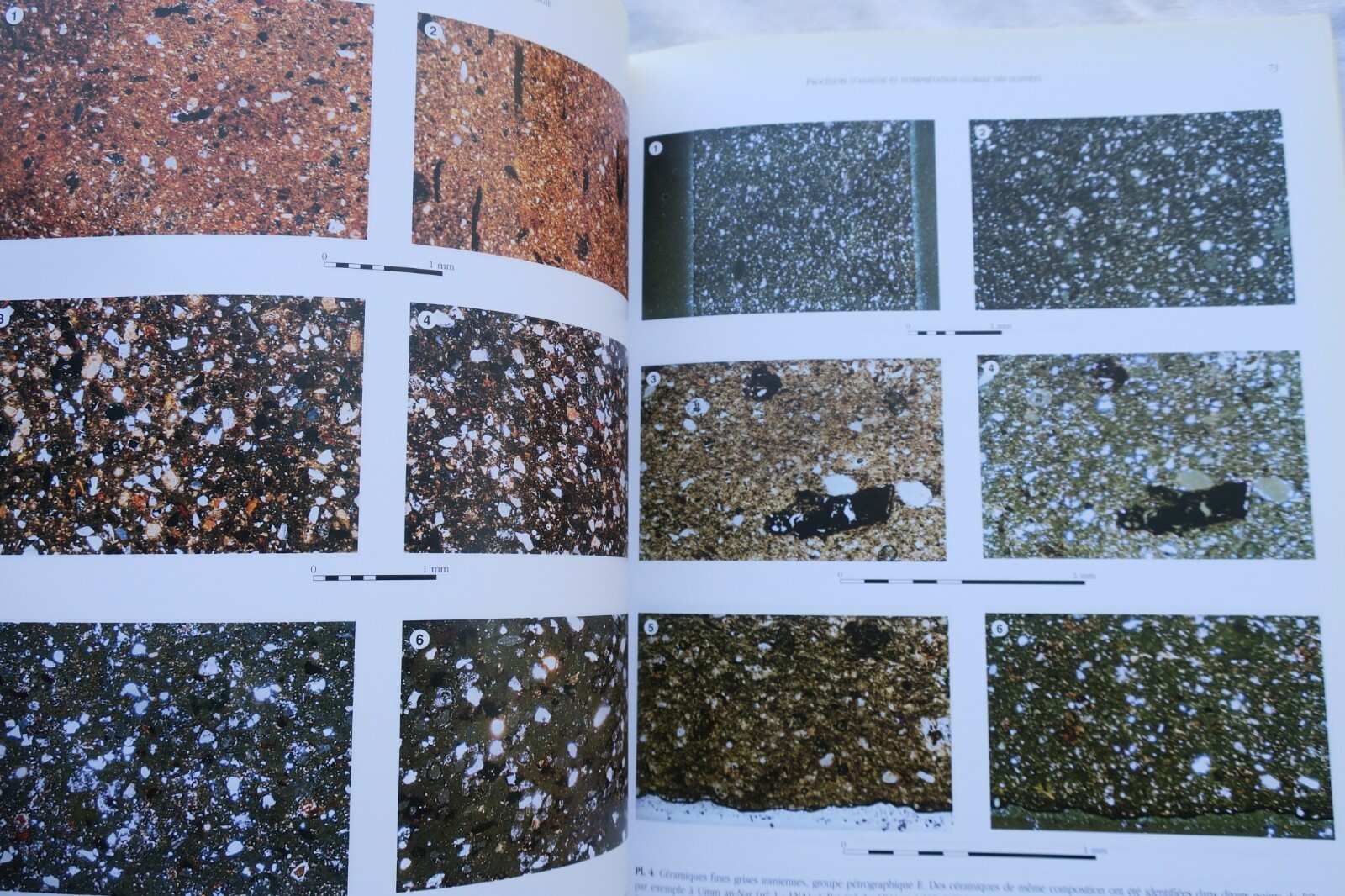
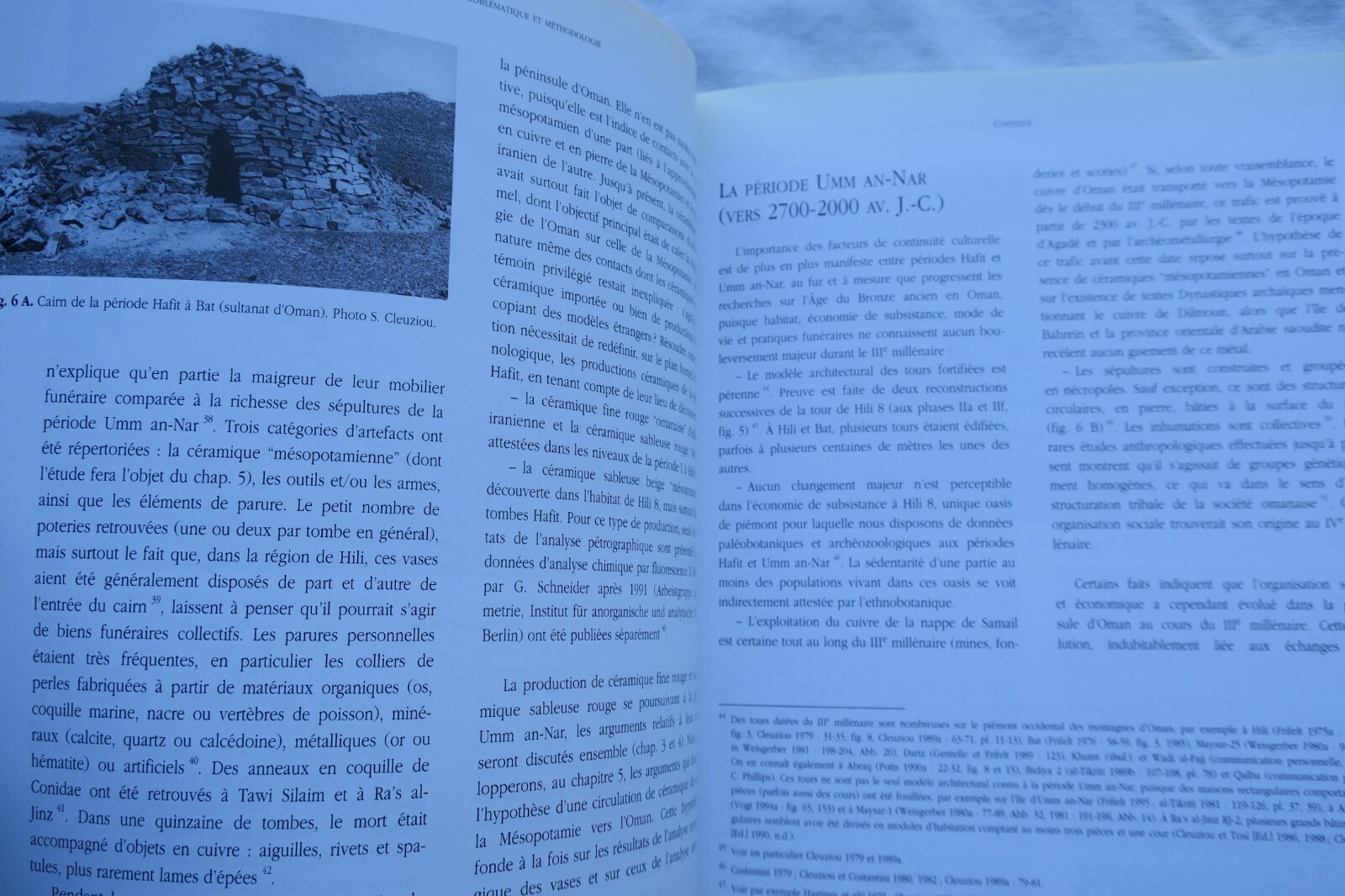
MERY, Dophie. Les céramiques d'Oman et l'Asie moyenne. Une archéologie des échanges à l'âge du Bronze. Paris, 2000. 314 pp. Today, the Omani peninsula remains a pioneering terrain for protohistoric archaeology. Over the past twenty years, research has multiplied in the United Arab Emirates and the Sultanate of Oman, both in oases and along the coasts of the Arabian-Persian Gulf and Indian Ocean. These findings integrate with studies of Mesopotamia and Indus civilization, extending beyond Central Asian relationships. Major themes include oasis formation and processes of social complexity during the Bronze Age. Local ceramic production appeared late in the Omani peninsula compared to other Central Asian regions, attested only in Early Bronze Age (late 4th millennium BCE), a period of significant technical mutation with probable transfer of certain pyrotechnologies from Indo-Iranian borders. Ceramic production remained relatively modest until the Iron Age (ca. 1300 BCE), giving terra cotta vessels considerable exchange value. This study combines three methodological approaches: chronological and spatial context, functional and stylistic analysis (forms, decoration, technical traits), and petrographic and chemical characterization. Multiple local and regional productions were distinguished from imports from Iraq, Iran, and Pakistan. The author identified potential ceramic production zones and revealed exchange patterns among geographically diverse cultures. Methods established ceramics as significant markers of production organization and trade in Bronze Age Oman. Fine copy.