Description
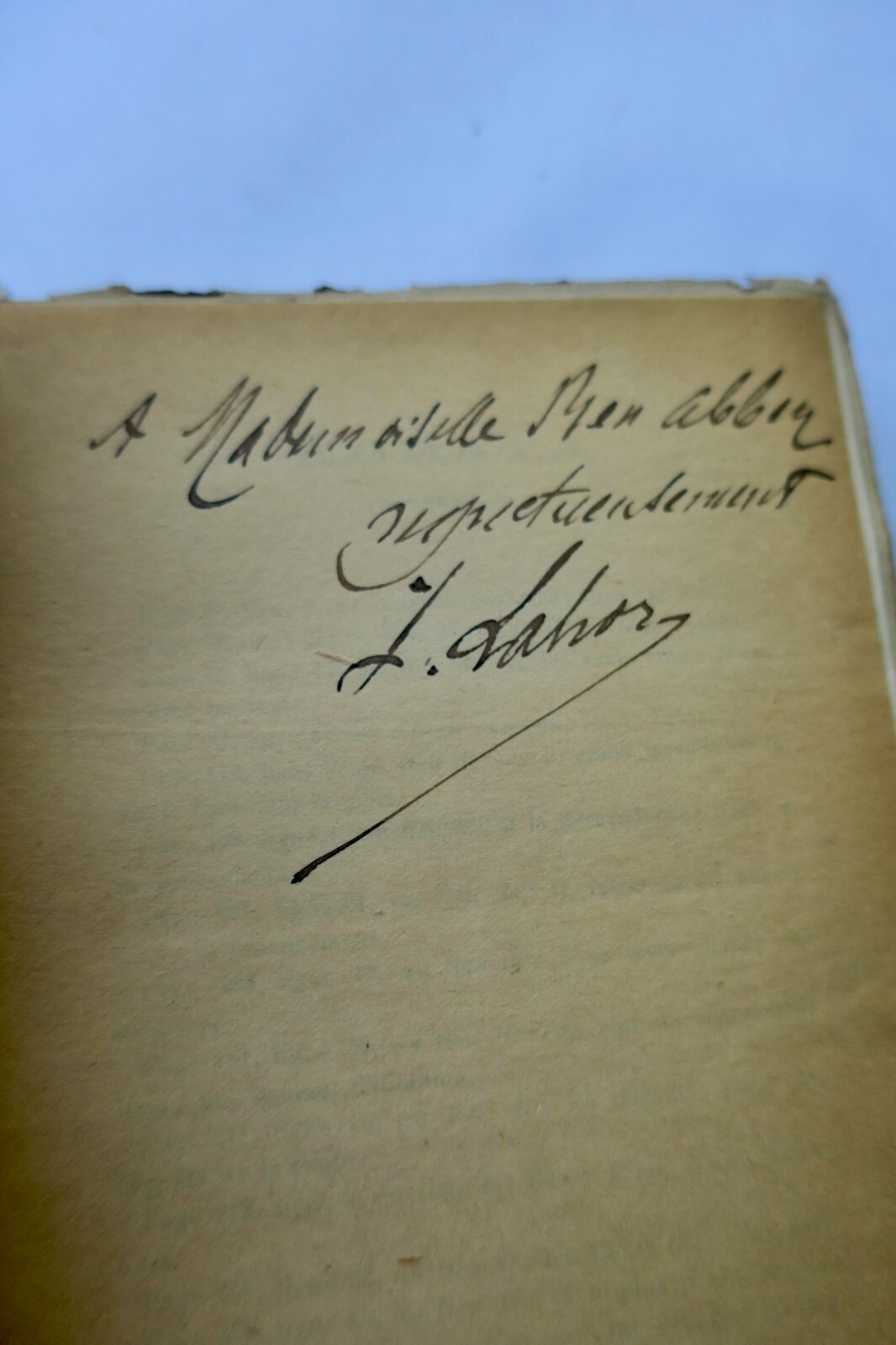
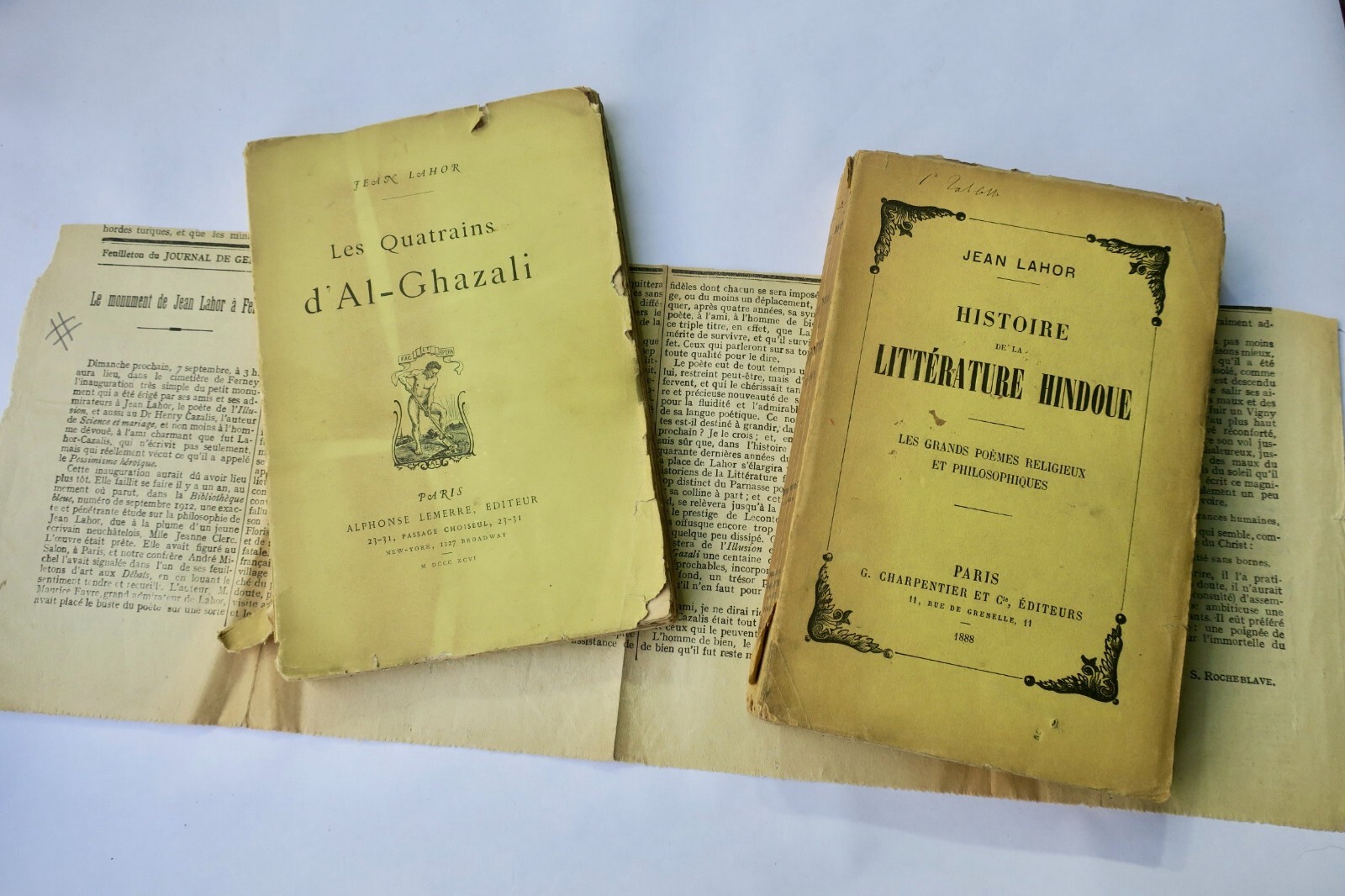
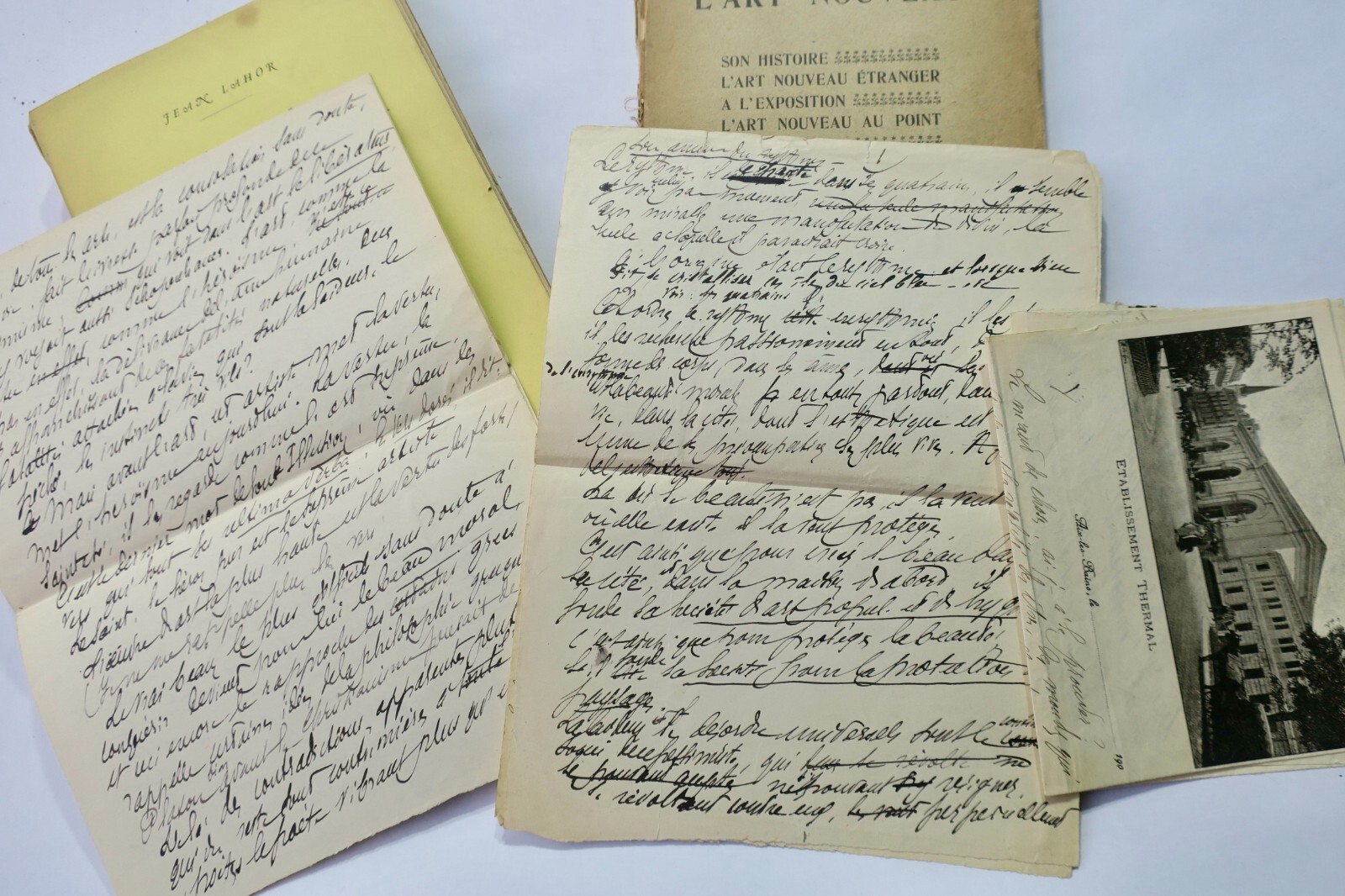
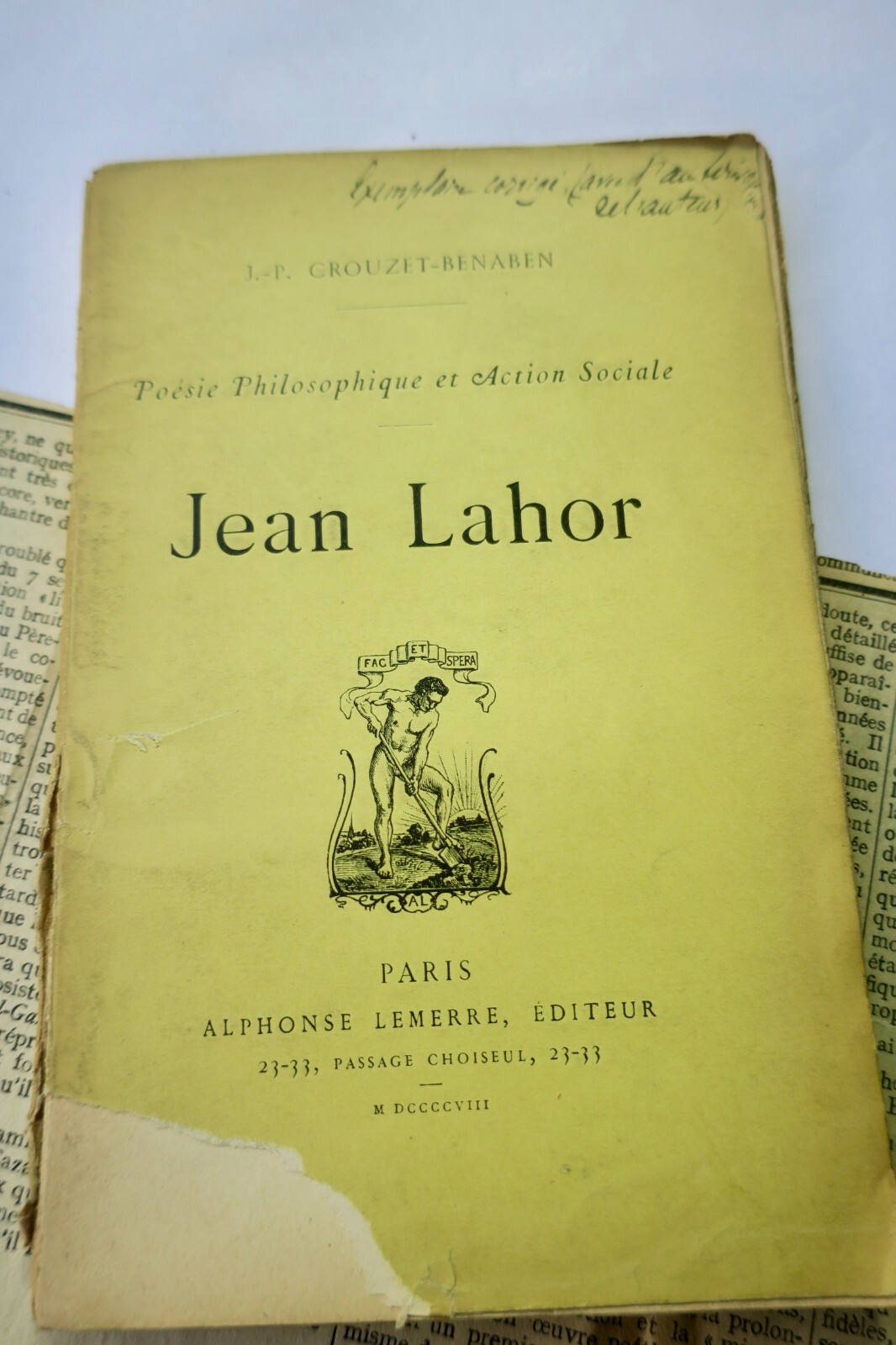
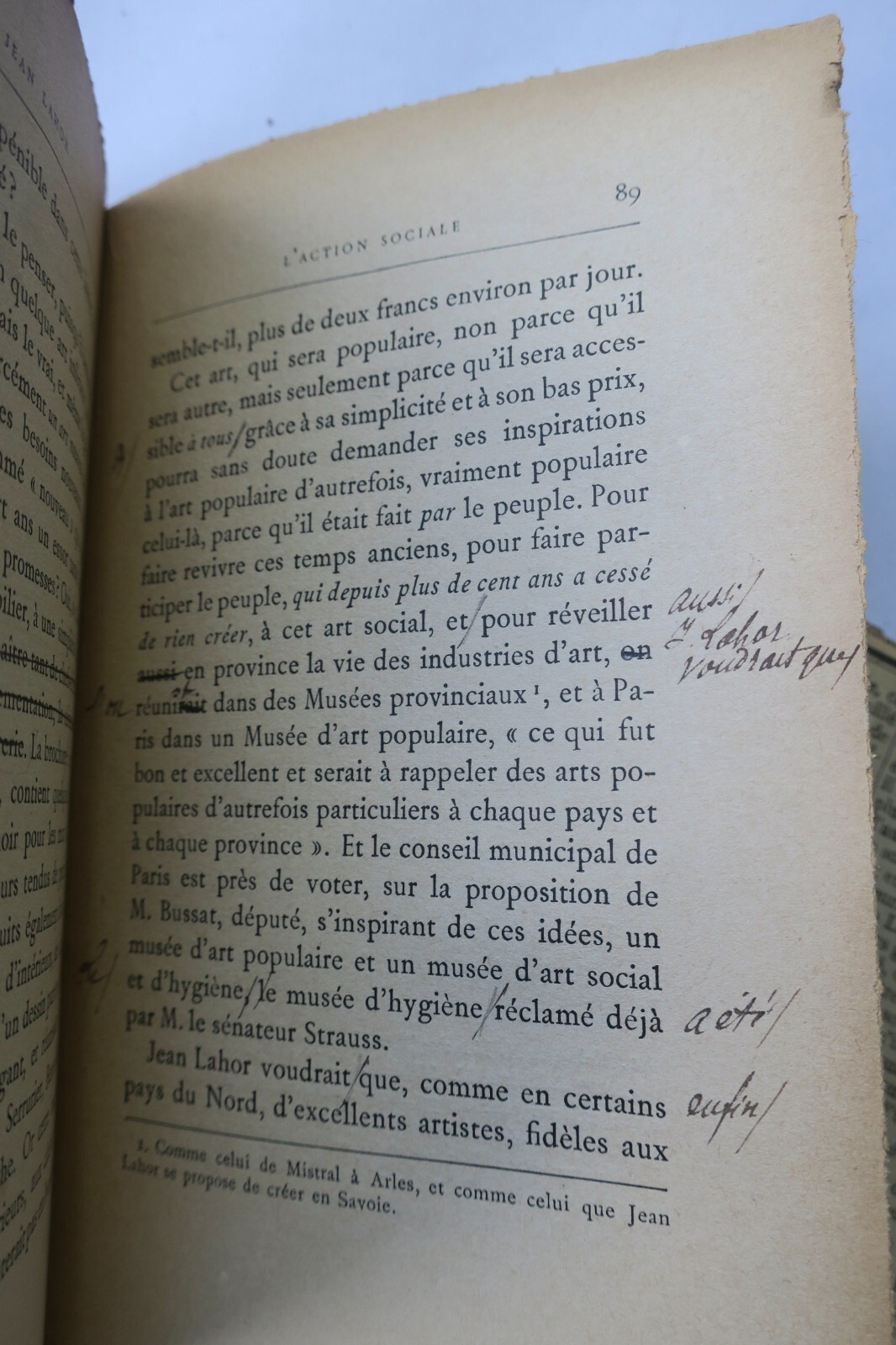
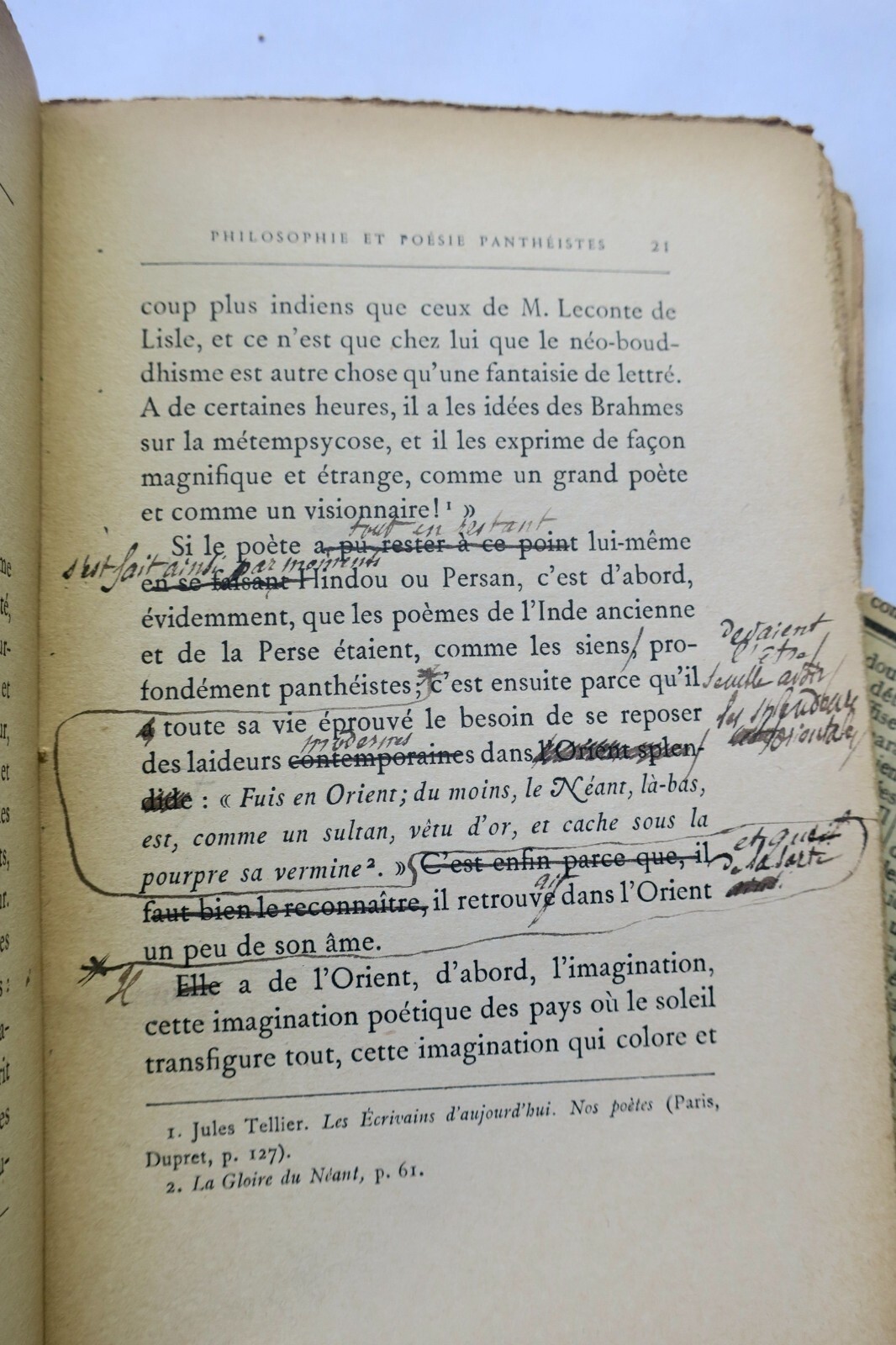
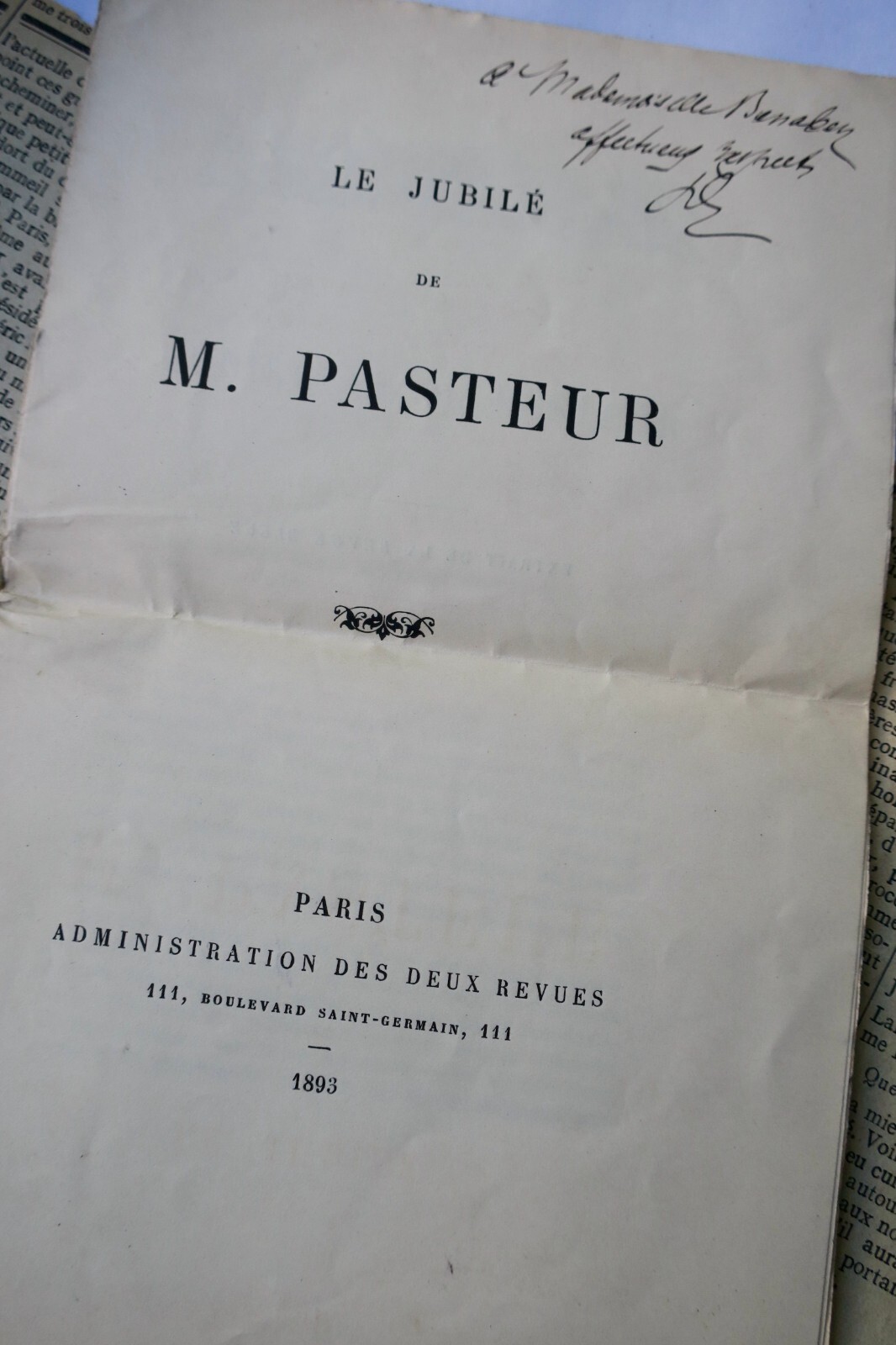
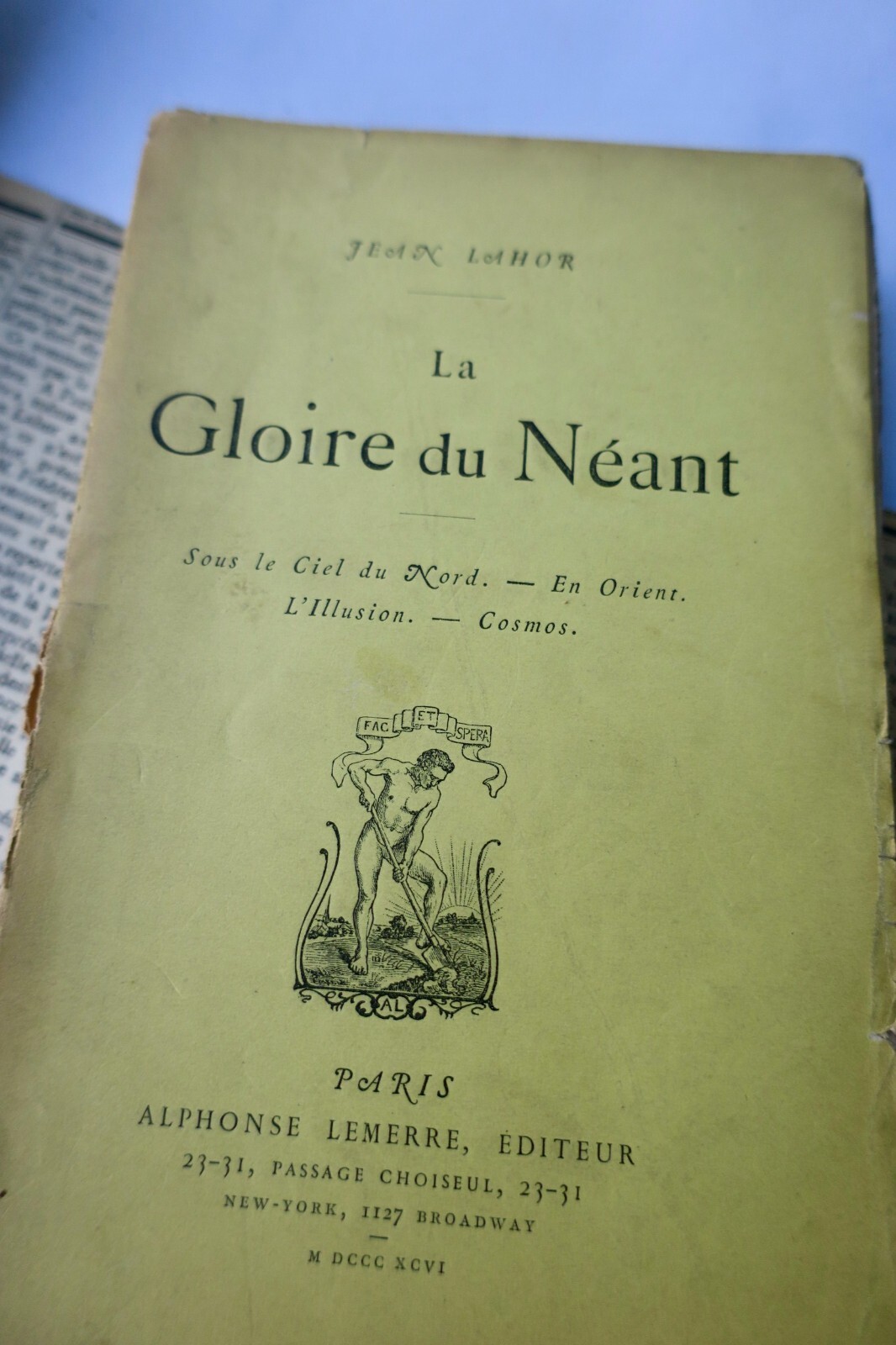
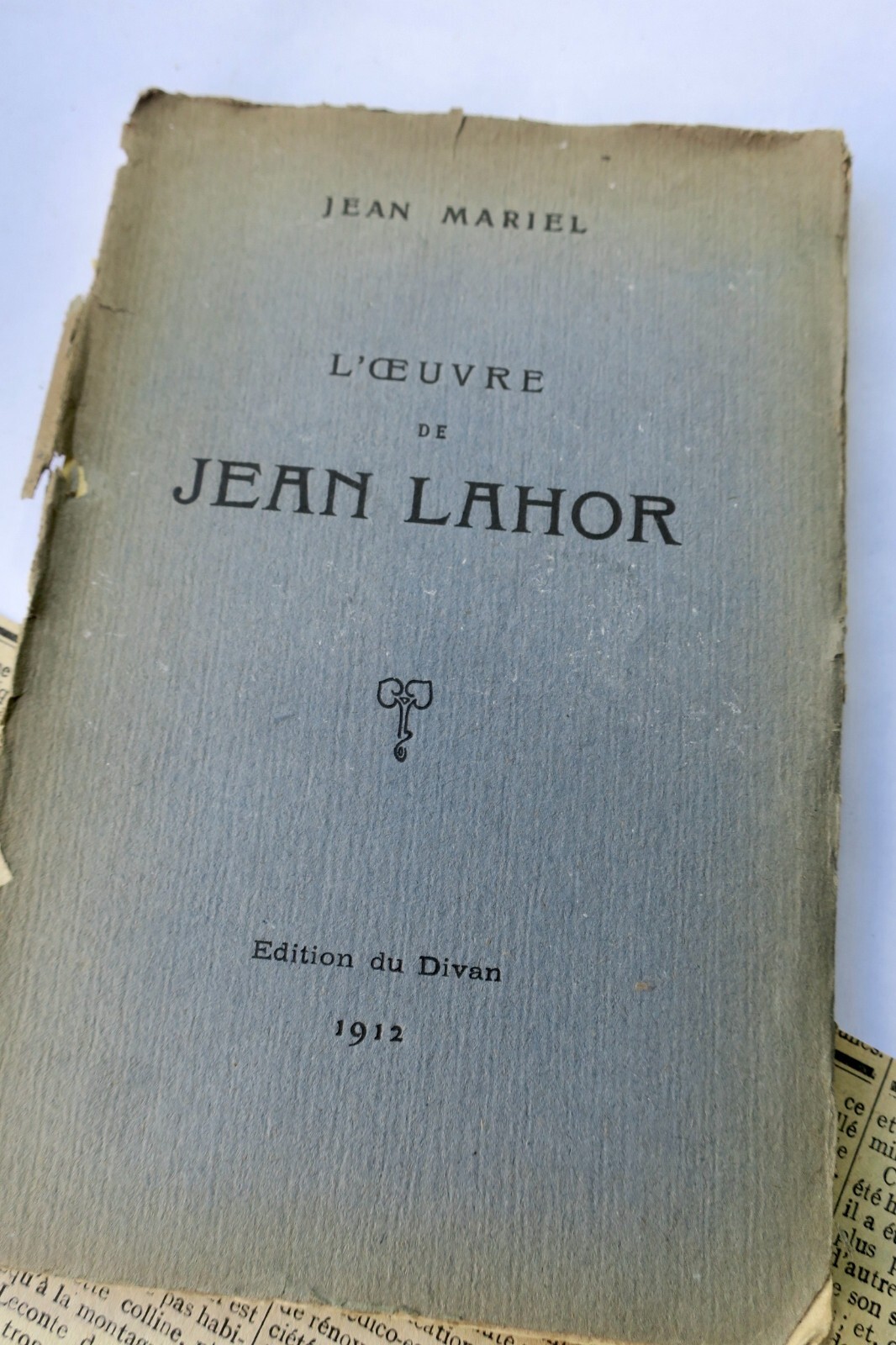
Jean Lahor (Henri Cazalis) - The Illusion, Paris, Librairie Alphonse Lemerre, 1893, 8vo, paperback, 193 pages, fresh interior, good copy. - The Glory of Nothing, Paris, Librairie Alphonse Lemerre, 1896, 8vo, paperback, 251 pages, fragile spine, fresh interior. - The Quartets of Al-Ghazali, Paris, Librairie Alphonse Lemerre, 1896, 8vo, paperback, 84 pages, minor cover losses, fresh interior. - History of Indian Literature, Paris, G. Charpentier, 1888, paperback, 8vo, 379 pages, fragile spine, enriched with a letter from the author. - The New Art, its history, the new art alien to the exhibition..., Paris, Lemerre, 1901, 8vo, 104 pages, broken spine. - Selected Works of Jean Lahor, preceded by a biography, Paris, livre des annales, 8vo, 315 pages, pocket edition, around 1909, enriched with a cover. - Jean Lahor, philosophical poetry and social action, Paris, Librairie Alphonse Lemerre, 1908, 8vo, paperback, missing cover, 102 pages, work partially corrected by Jean Lahor in the margins with a pen. - In Memory of Jean Lahor (Henri Cazalis), Paris, Jouve, 8vo, paperback, 37 pages, enriched with an inscription on the half-title. - The Works of Jean Lahor, Edition du Divan, 1912, soft cover, split spine, 43 pages, enriched with a cover. - The City of the Future, lecture delivered at the University of the Annals on March 4, 1907, 8 pages, 4to, enriched with a contribution from Jean Lahor (2 copies). - The Jubilee of Mr. Pasteur, Paris, 1893, 7 pages, enriched with a message from Jean Lahor. Included is a handwritten letter from Jean Lahor to poet Fernand Gregh, 6 pages of autographed manuscript, an amateur photograph of Henri Cazalis, and some press clippings, Le petit parisien of May 25, 1905, the emancipation of February 1907. Jean Lahor Henri Cazalis, born in Cormeilles-en-París (Val d'Oise) on March 9, 1840 and died in Geneva (Switzerland) on July 1, 1909, was a doctor and French symbolist poet. He is known under the pseudonyms Juan Caselli and especially Jean Lahor. A respected physician, his patients included Maupassant and Verlaine. A symbolist poet drawn to images of death, he combined literature and medicine. Eugenicist, in his work 'Science and Marriage' he advocated for adoption.