Memoirs of France's Chief of Security Police under the Second Empire
“STENDHAL Volume XVII. Napoléon” has been added to your cart. Continue shopping
“Chapel of Notre-Dame de Brouilly, Beaujolais❦ Beaujolais la chapelle de N. D. de Brouilly en beaujolais 1934” has been added to your cart. Continue shopping
Memoirs of France's Chief of Security Police under the Second Empire
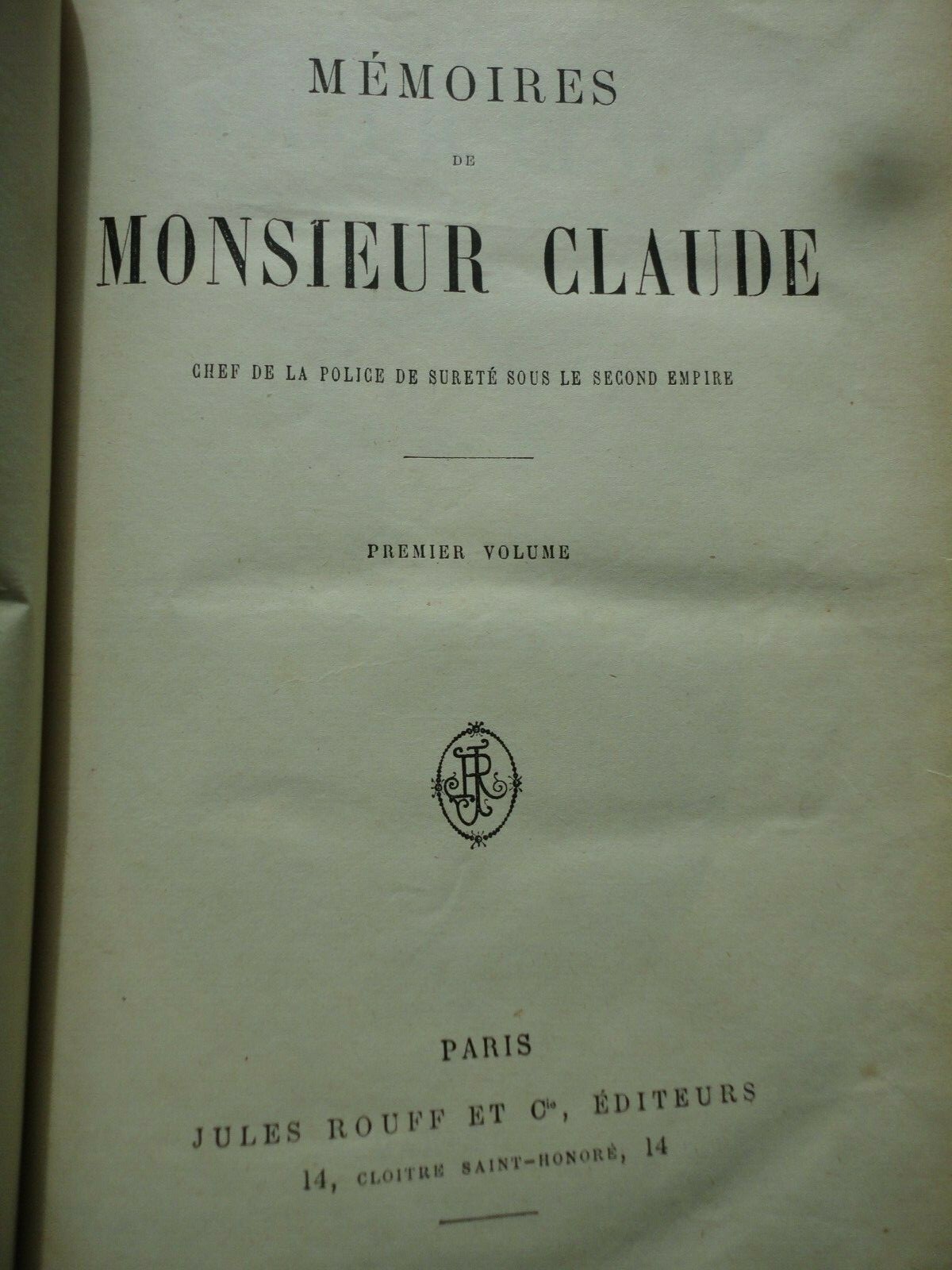
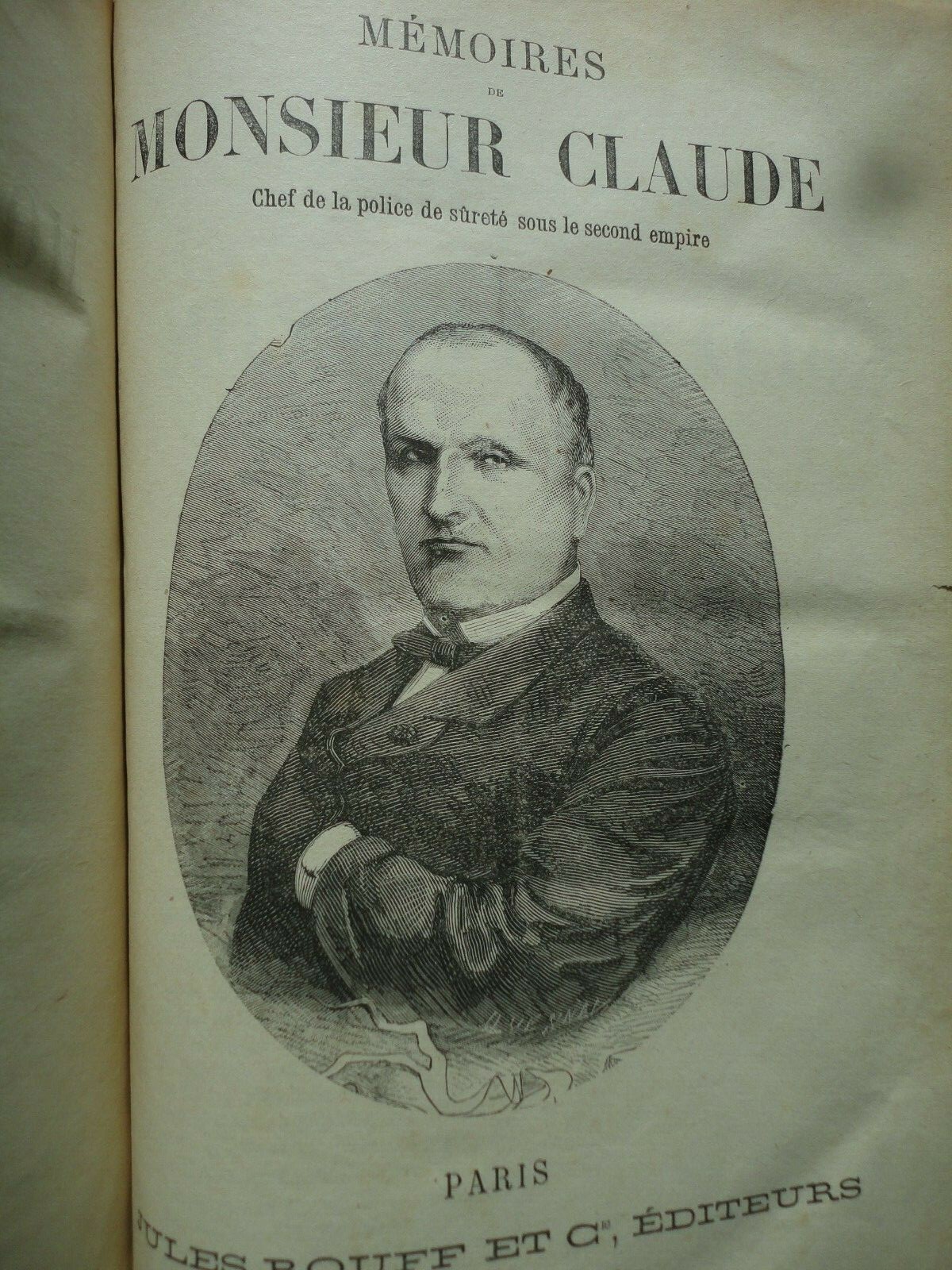
Original title :Mémoires de Monsieur Claude - chef de la police de sureté sous le second empire
89,10€
In stock
Top fiabilité eBay depuis 19958 247 avis positifsLivraison soignée + suiviPaiement sécurisé
About this book
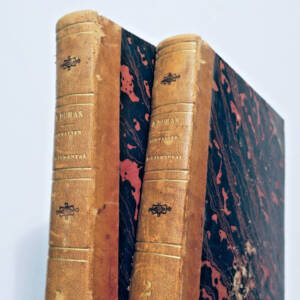
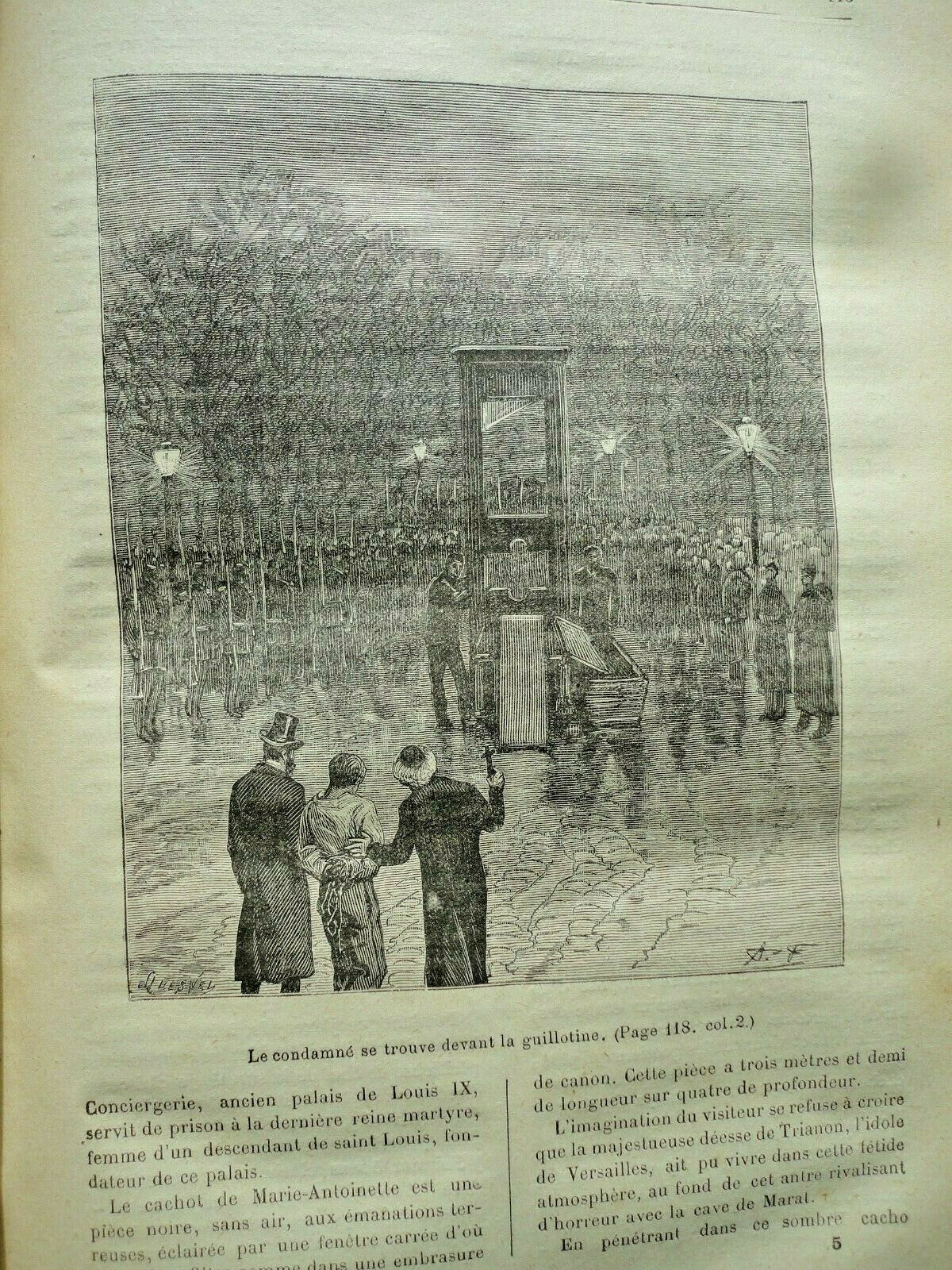
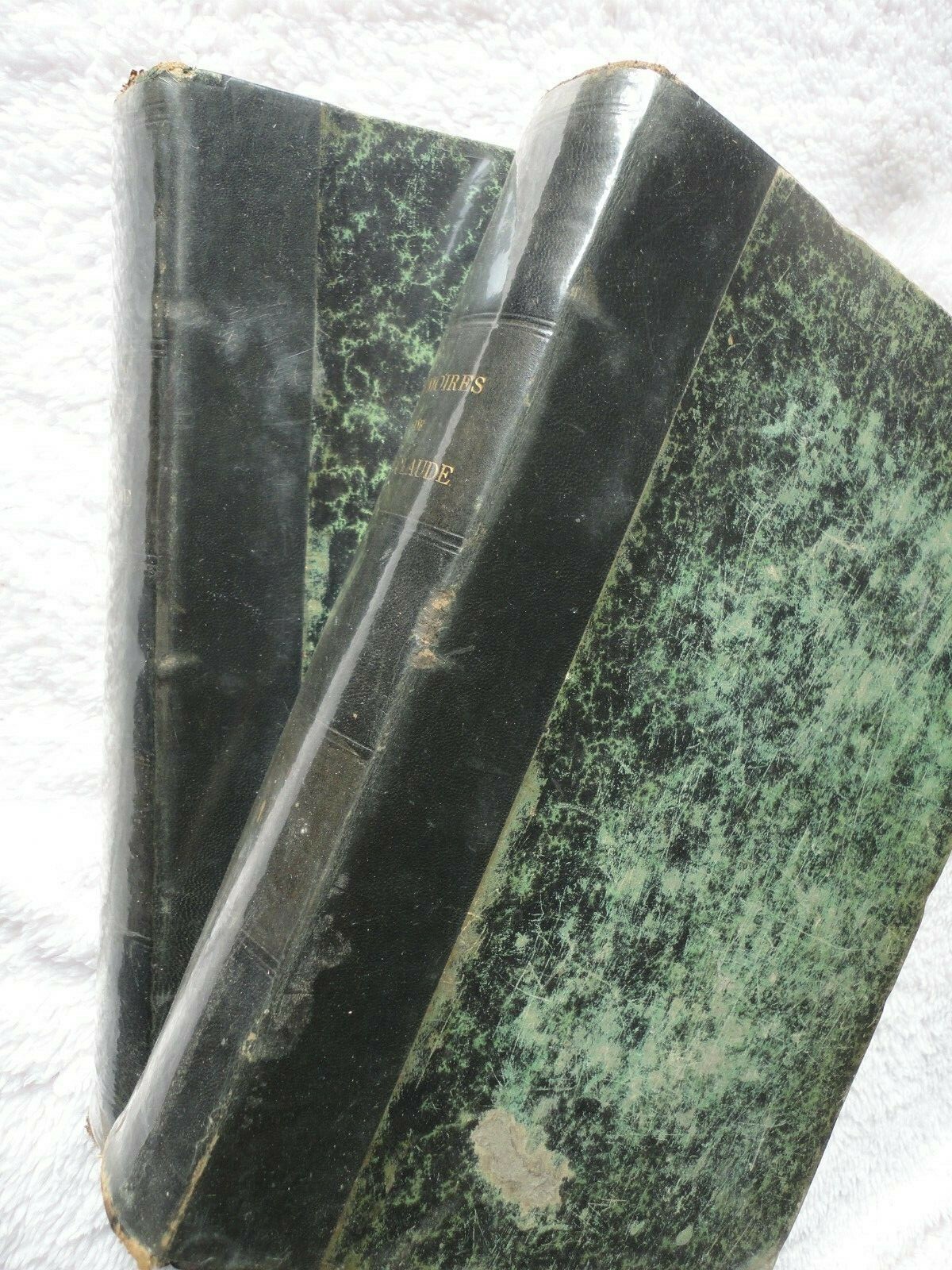
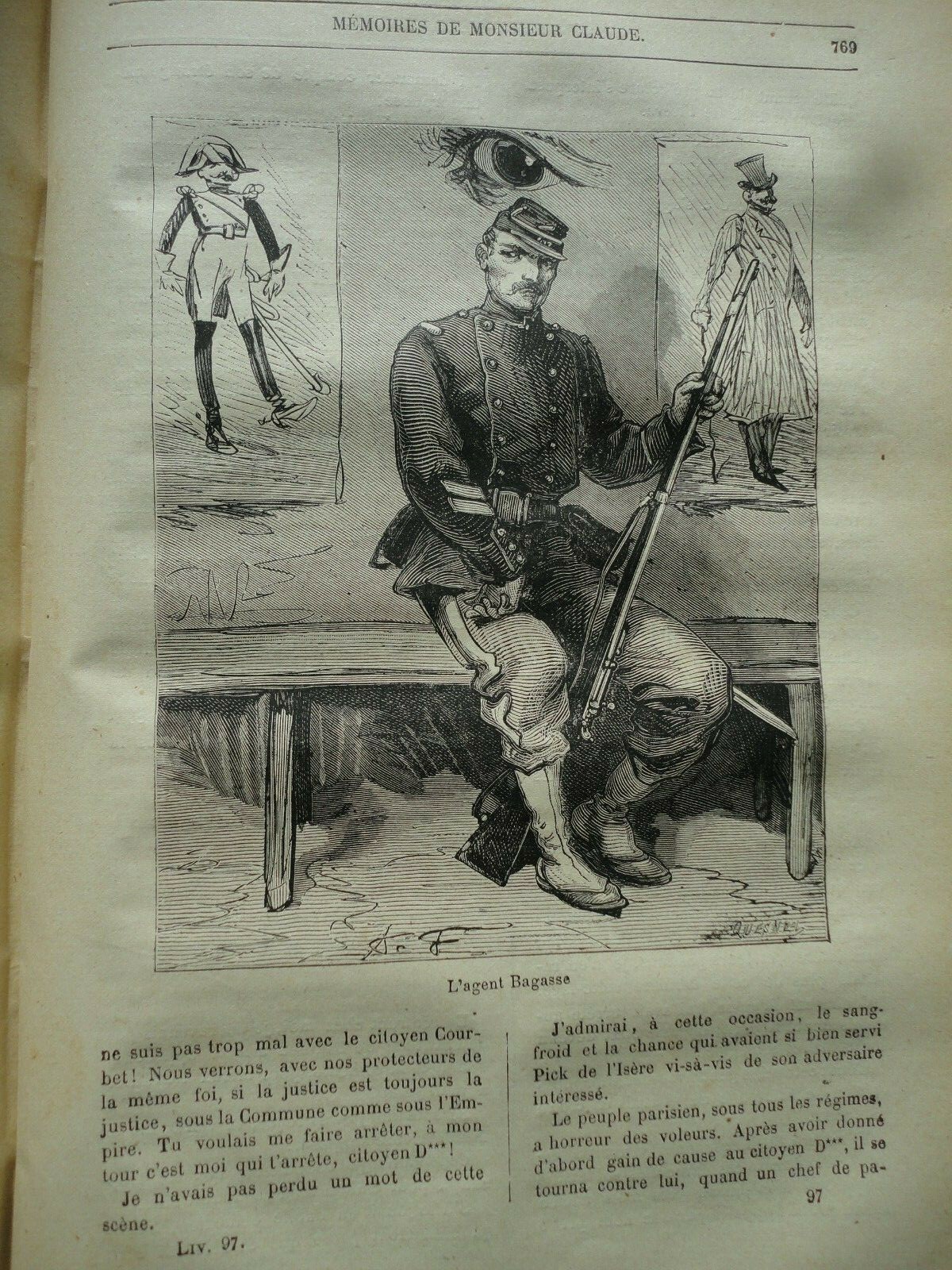
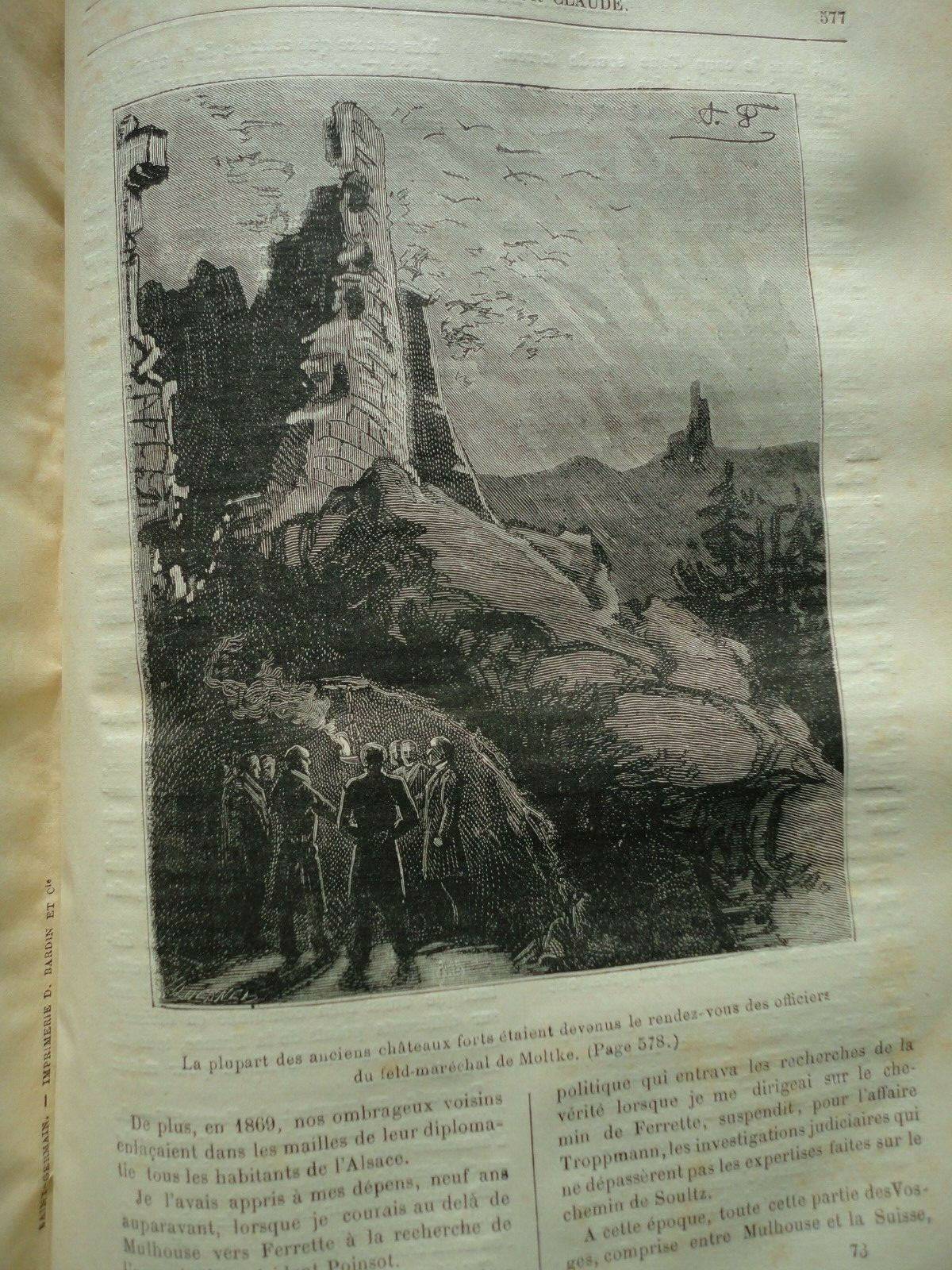
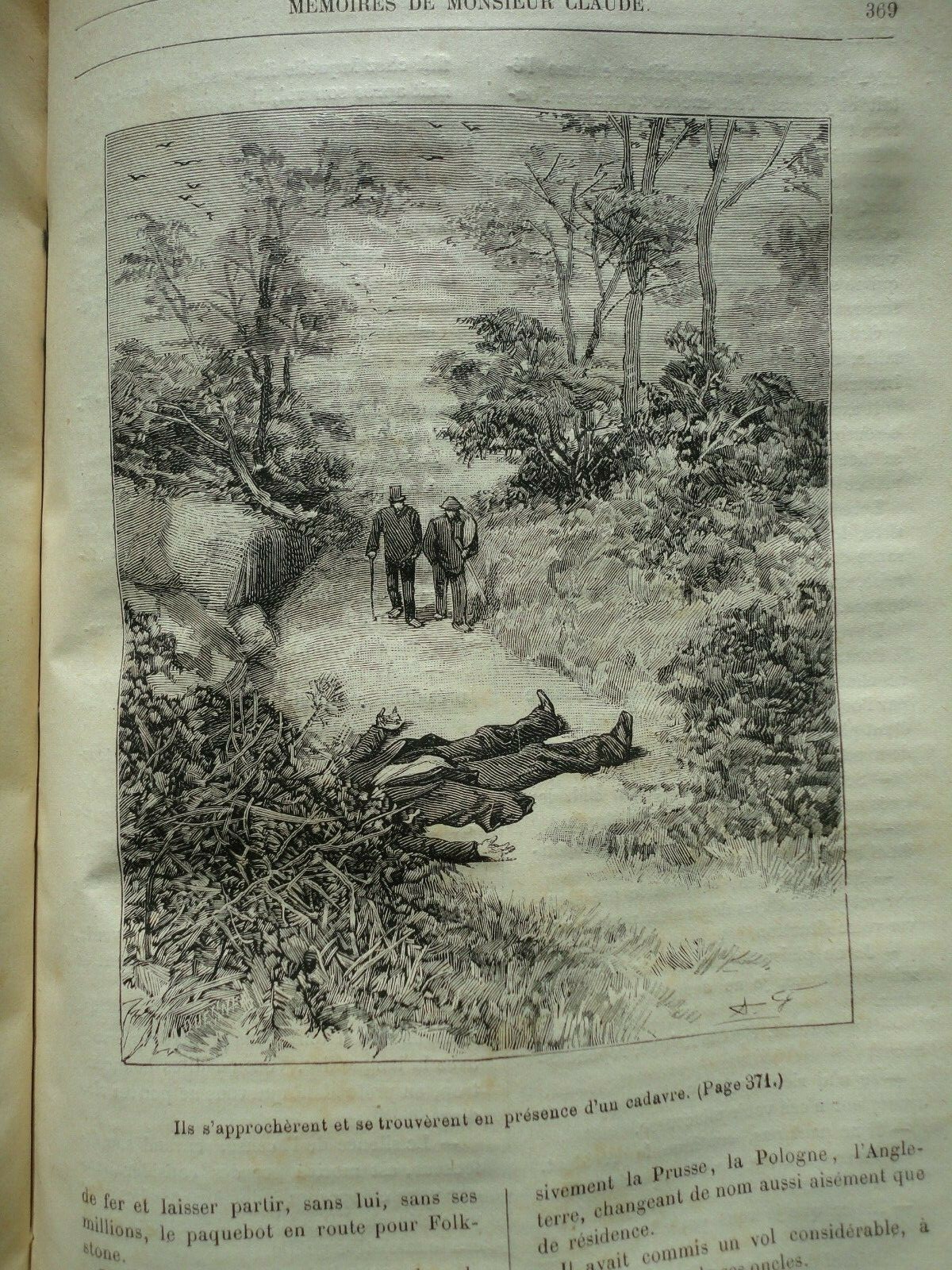
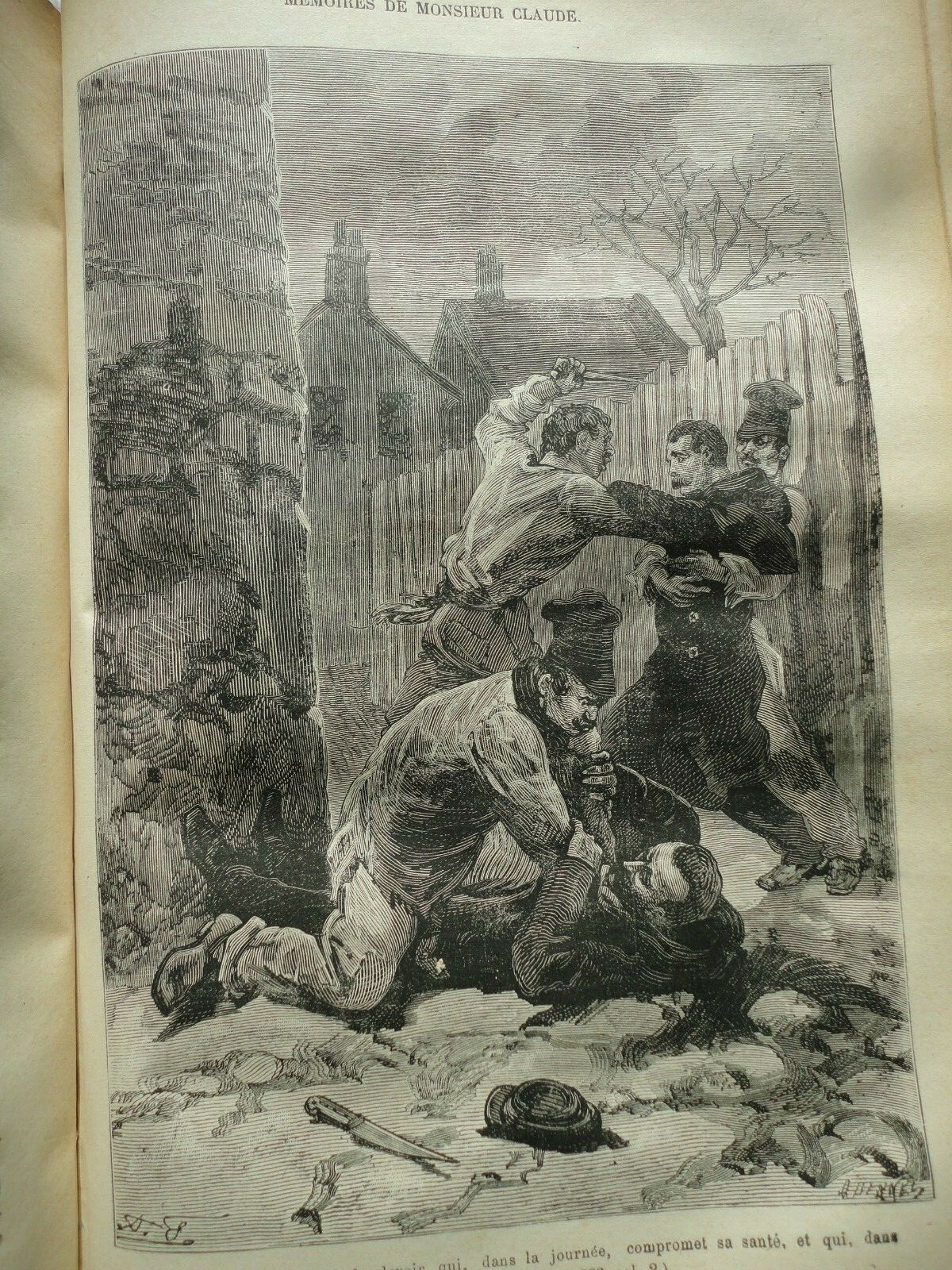
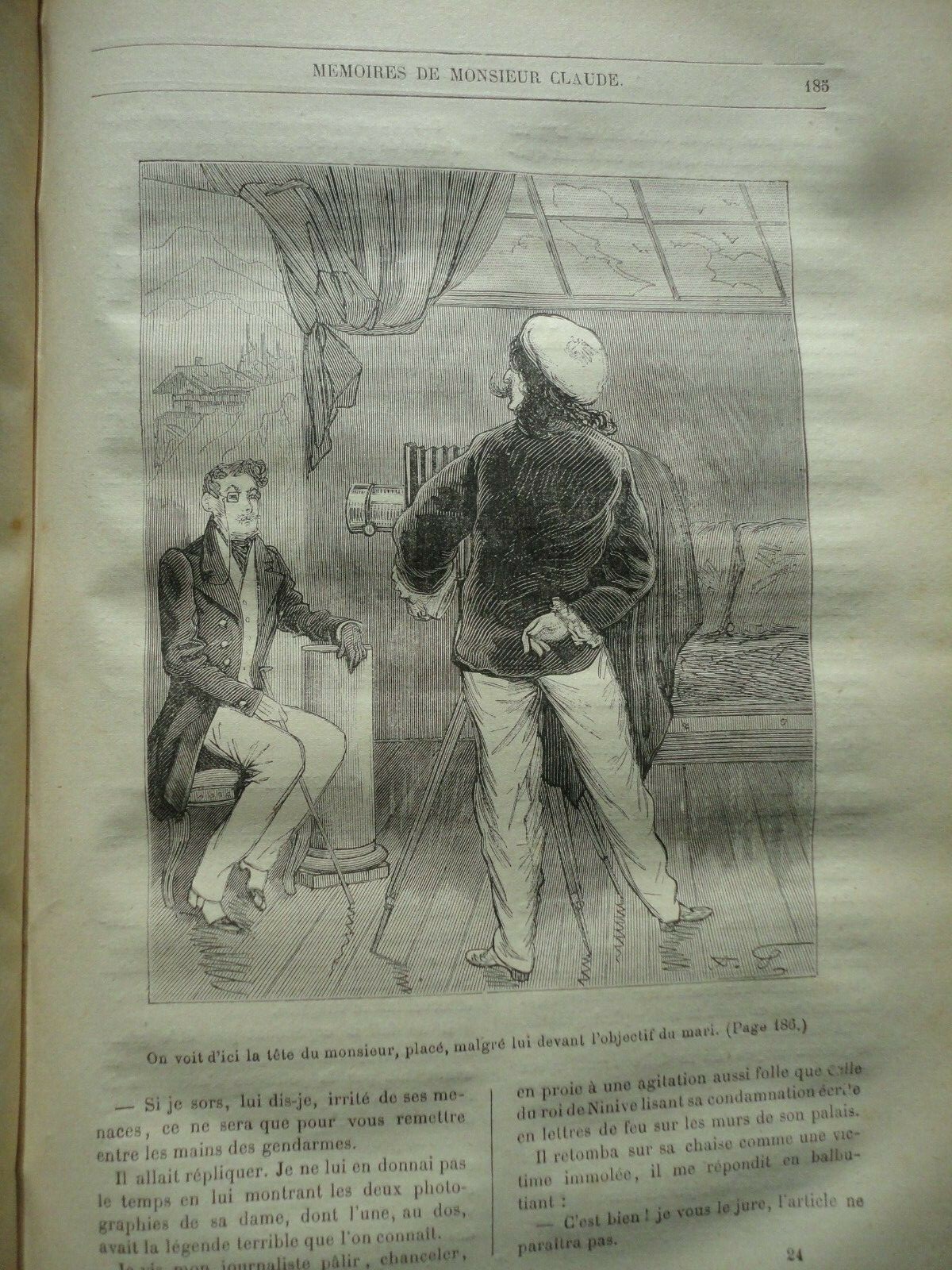
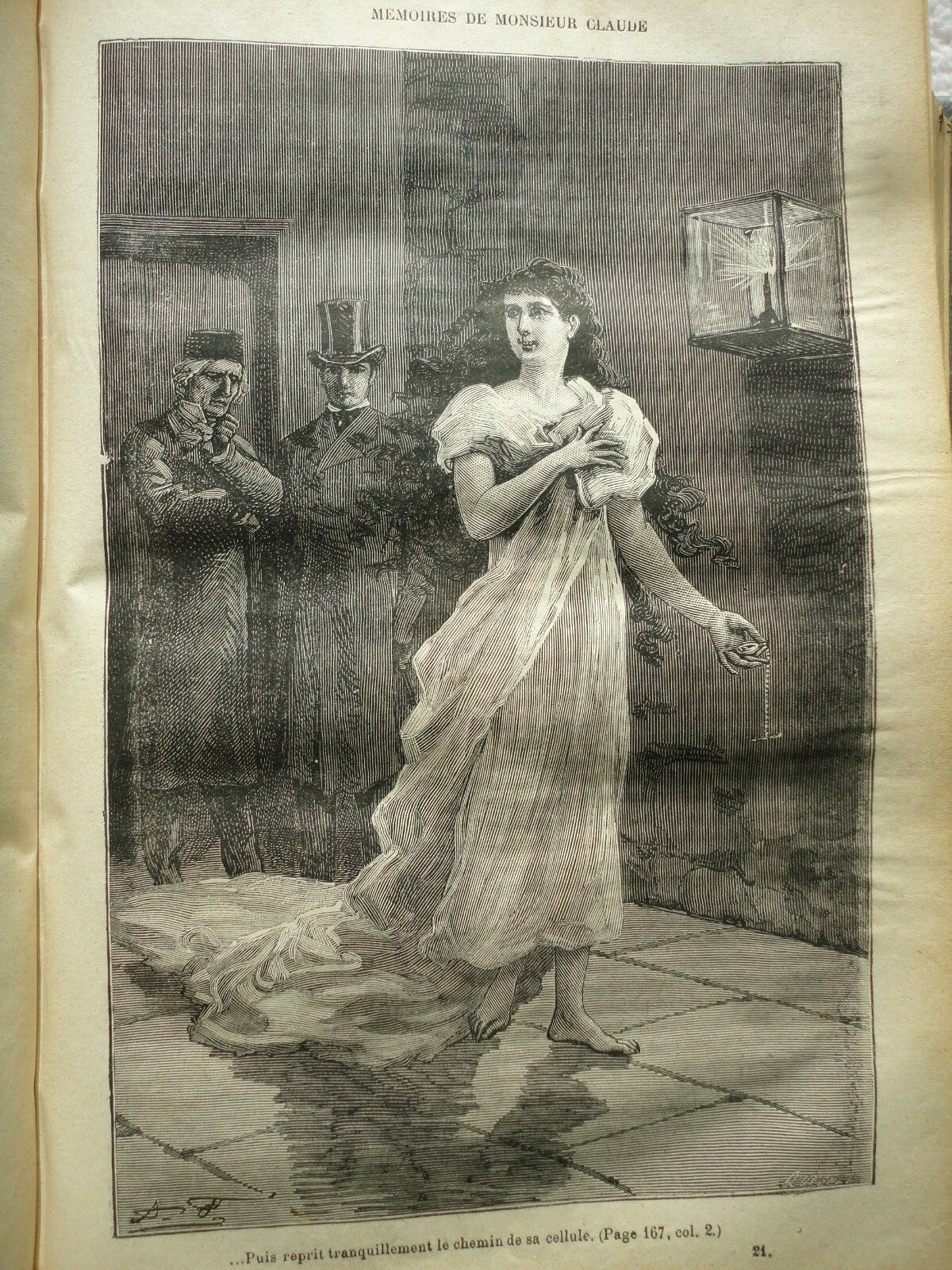
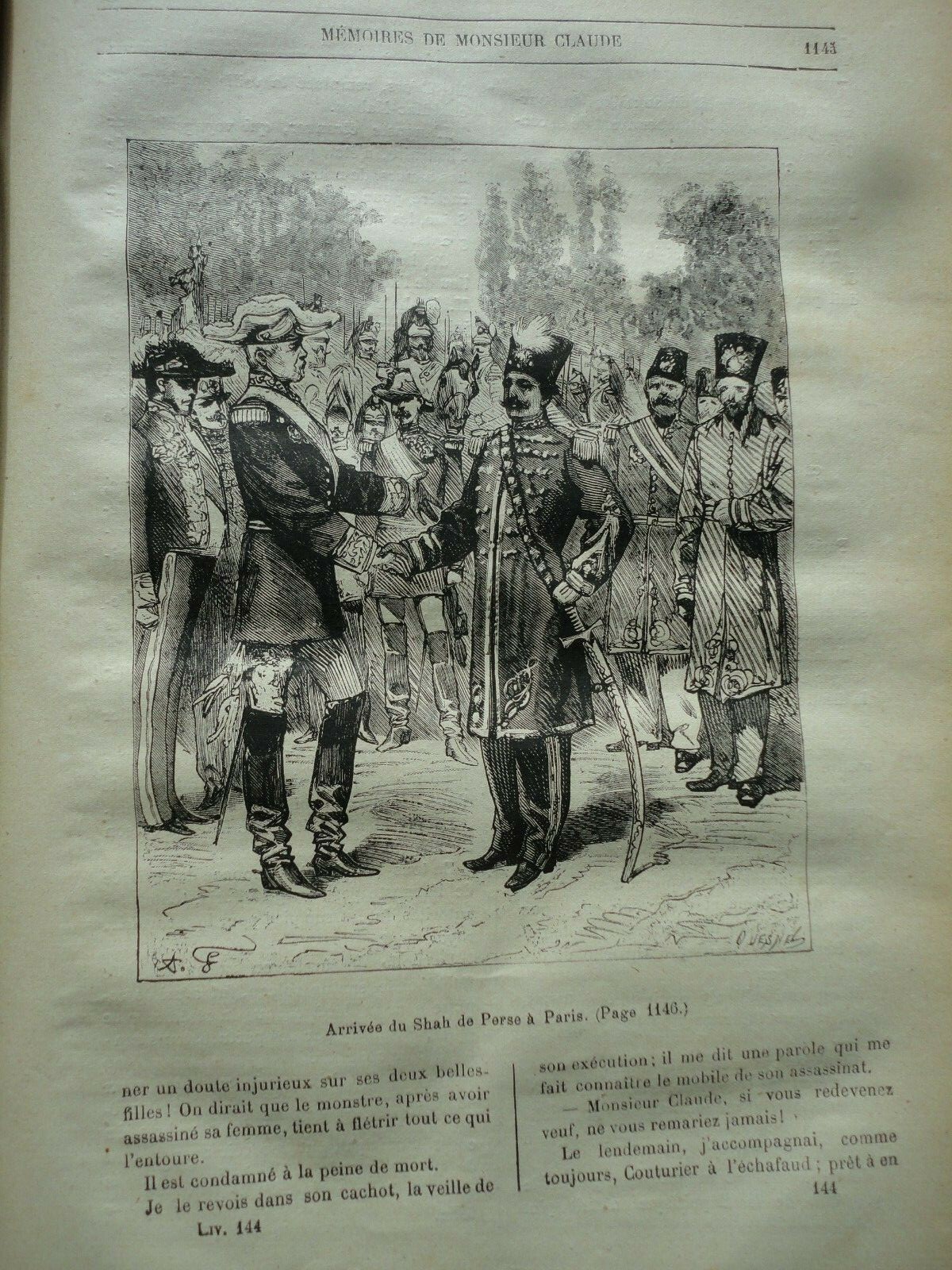
Memoirs of Monsieur Claude - chief of the police of public safety under the Second Empire. Published by Jules Rouff et Cie Editeurs, Paris, s.d. Large quarto format, 2 volumes, half-leather binding with wear at corners, headbands and covers. 2020 pages with black illustrations. 521 cases recounted in first person, spanning historical affairs (Bonapartist plots, the death of M. Thiers)…
Memoirs of Monsieur Claude - chief of the police of public safety under the Second Empire. Published by Jules Rouff et Cie Editeurs, Paris, s.d. Large quarto format, 2 volumes, half-leather binding with wear at corners, headbands and covers. 2020 pages with black illustrations. 521 cases recounted in first person, spanning historical affairs (Bonapartist plots, the death of M. Thiers) as well as crimes of passion and common law (serial killer of servants, insolvent tenant disputes), and even supernatural incidents (hauntings, the evil eye). Antoine François Claude, known as Monsieur Claude (1807-1880), served as chief of France's security police from 1859 to 1875. His memoirs document the recollections of France's leading police officer, creating a thrilling work situated between adventure novel and historical account. Claude was a visionary who focused on psychology, manipulation, and approached investigations methodically: meticulous examination of traces and fingerprints; confrontation of criminal and victim; careful observation of individuals and application of 'psychomorphology' and judicial anthropometry or identification techniques that Alphonse Bertillon would later develop.