0
0,00€
Votre panier est vide
Vous n'avez aucun article dans votre panier

VENDU
Authenticité garantie
Chaque ouvrage est examiné et décrit individuellement par nos soins. Libraire professionnel depuis 1995.
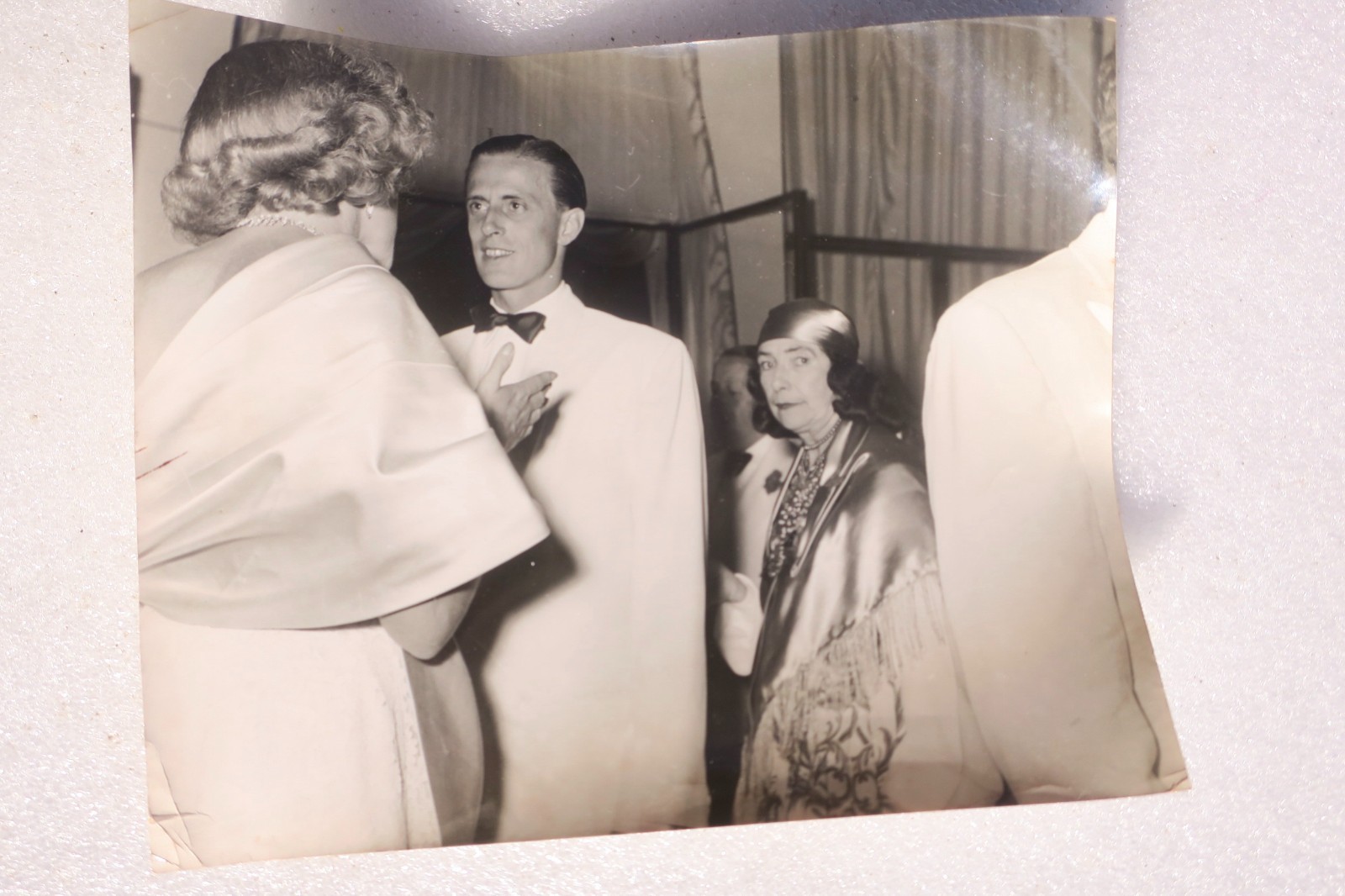
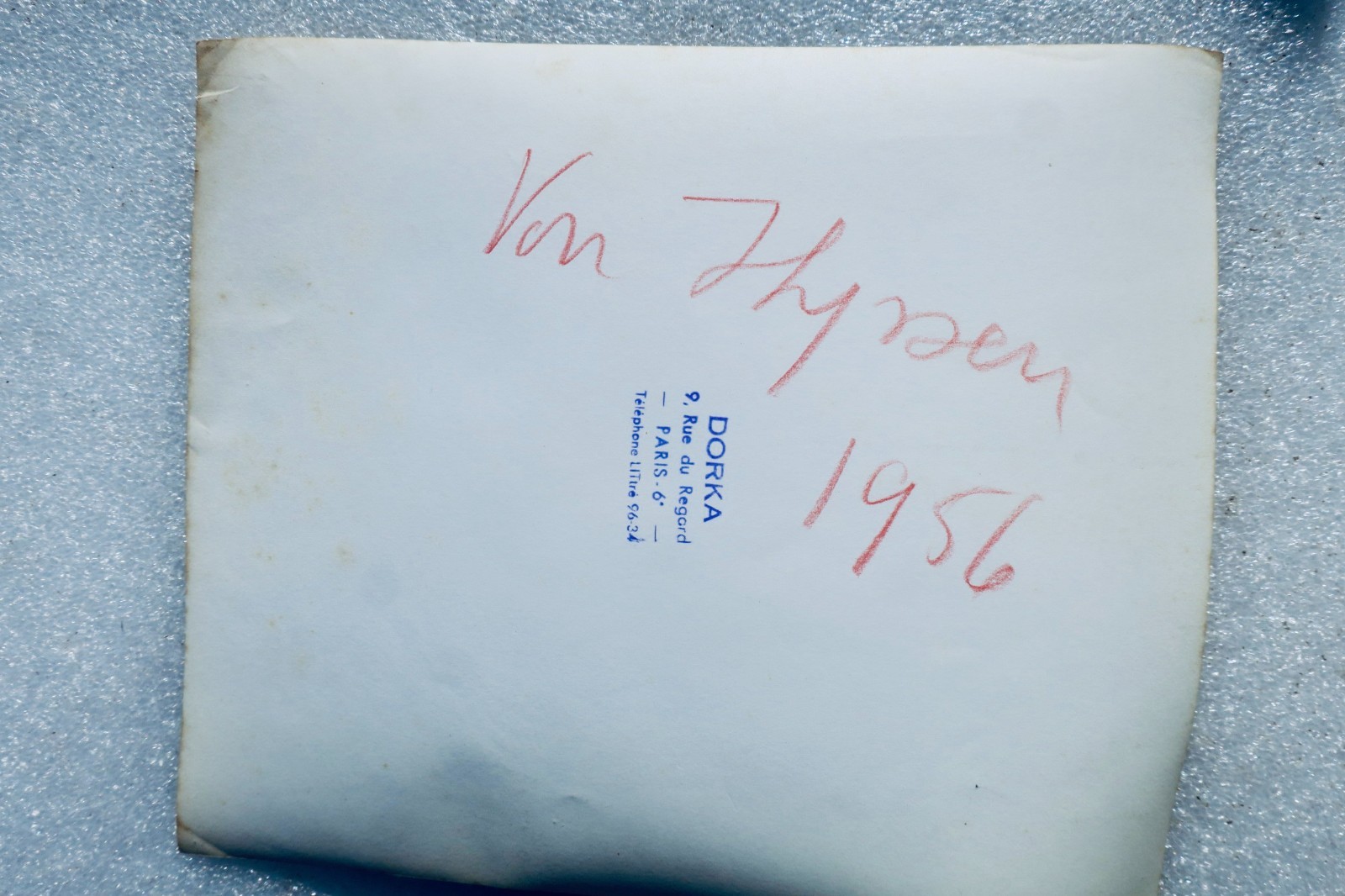
Baron Hans Heinrich von Thyssen-Bornemisza 1956 Photo Argentique 18 X 22.5 Cm The description of this item has been automatically translated. If you have any questions, please feel free to contact us. Hans Heinrich, Baron Thyssen-Bornemisza of Kászon and Impérfalva, born on April 13, 1921 has Scheveningen (The Netherlands) and died on April 26, 2002 has Sant Feliu de Guíxols in Catalonia (Spain), is the heir to the industrial empire…
Lire la description complète ↓Baron Hans Heinrich von Thyssen-Bornemisza 1956 Photo Argentique 18 X 22.5 Cm
The description of this item has been automatically translated. If you have any questions, please feel free to contact us.
Hans Heinrich, Baron Thyssen-Bornemisza of Kászon and Impérfalva, born on April 13, 1921 has Scheveningen (The Netherlands) and died on April 26, 2002 has Sant Feliu de Guíxols in Catalonia (Spain), is the heir to the industrial empire of Thyssen family and a great collector of works of art.
Hans Heinrich is the son of the businessman German Heinrich Thyssen (since 1907, Heinrich Baron Thyssen-Bornemisza de Kászon), who married a Hungarian, Baroness Margit Bornemisza of Kászon and Impérfalva, and had become a national ofAustria-Hungary. He was one of the heirs of the financiers who actively participated in the rise of Nazi regime then to its armament.Mastering five languages, he was a great lover of horses and art, and was passionate about the poetry of Baudelaire and Rilke, philosophy and astronomy. On the death of his father he inherited an industrial empire which included the shipbuilding, there oil production, and an important art collection hundreds of European paintings from XIVe At XIXe century.
It was his father, Heinrich, who created the Thyssen collection with Germanic masters of XIVe At XVIe century, and continued the collection with works from the Flemish, Dutch, Italian and Spanish schools. His son enriched it with modern paintings, including Russian painters; he managed to bring out of the USSR impressionist canvases purchased before 1917 and since belonging to Soviet museums, which had never been exhibited in the West, and in 1983 adorned the walls of the Villa Favorita. This residence of XVIIIe century overlooking Lake Lugano was acquired in 1932 from Prince Leopold of Prussia; the decor of the office of the three generations of Thyssen and the large living room were preserved, the latter room sometimes displaying new works.
Hans Heinrich Thyssen, citizen Swiss since 1950 but residing in Great Britain, stayed there for a few weeks each year; housing no less than 2,500 paintings, it was considered the most important private collection in the world after that of the English royal crown, and called “the Swiss Louvre”, it became a foundation. His bronze bust by Nison Tregor (1954) is preserved there.
“What is important is what we like, what we feel. At the beginning I decided intuitively for a very strong design or surprising colors (…). It was later that I approached art history to understand my own spontaneous choices” declared Heinrich von Thyssen-Bornemisza (Vogue Decoration, 1986).
Fifteen years after his father’s death, he bought his first piece, a watercolorEmil Nolde executed between 1931 and 1935, bringing in the XXe century in the collection, with works byEdgar Degas, Piet Mondrian, Pablo Picasso And Fernand Léger, painters “modern, but not contemporary (…). Moreover, he did not seek to discover or promote the beginning genius (…) as a wise man, he refuses to equate collector with speculator.[]. His preferences were towardsGerman expressionism and he became a true expert in paint.
In 1993, the baron ceded part of the collections of his residence in Lugano to the Spanish State. THE Thyssen-Bornemisza Museum is now one of the main tourist attractions in the city of Madrid, receiving the most visitors immediately after the Prado Museum[.
Thanks Wikipedia
century, and continued the collection with works from the Flemish, Dutch, Italian and Spanish schools. His son enriched it with modern paintings, including Russian painters; he managed to bring out of the USSR impressionist canvases purchased before 1917 and since belonging to Soviet museums, which had never been exhibited in the West, and in 1983 adorned the walls of the Villa Favorita. This residence of Hans Heinrich Thyssen, citizen Swiss since 1950 but residing in Great Britain, stayed there for a few weeks each year; housing no less than 2,500 paintings, it was considered the most important private collection in the world after that of the English royal crown, and called “the Swiss Louvre”, it became a foundation. His bronze bust by Nison Tregor (1954) is preserved there. century i
LA LIBRAIRIE ANTIQUE
Librairie indépendante depuis 1995, Paris
Expédition mondiale · en cours d'adhésion SLAM[*]
[*] Adhésion au Syndicat de la Librairie Ancienne et Moderne en préparation.
Dites-nous ce qui ne fonctionne pas, nous corrigeons vite. La page où vous vous trouvez est jointe automatiquement.