0
0,00€
Votre panier est vide
Vous n'avez aucun article dans votre panier


VENDU
Authenticité garantie
Chaque ouvrage est examiné et décrit individuellement par nos soins. Libraire professionnel depuis 1995.
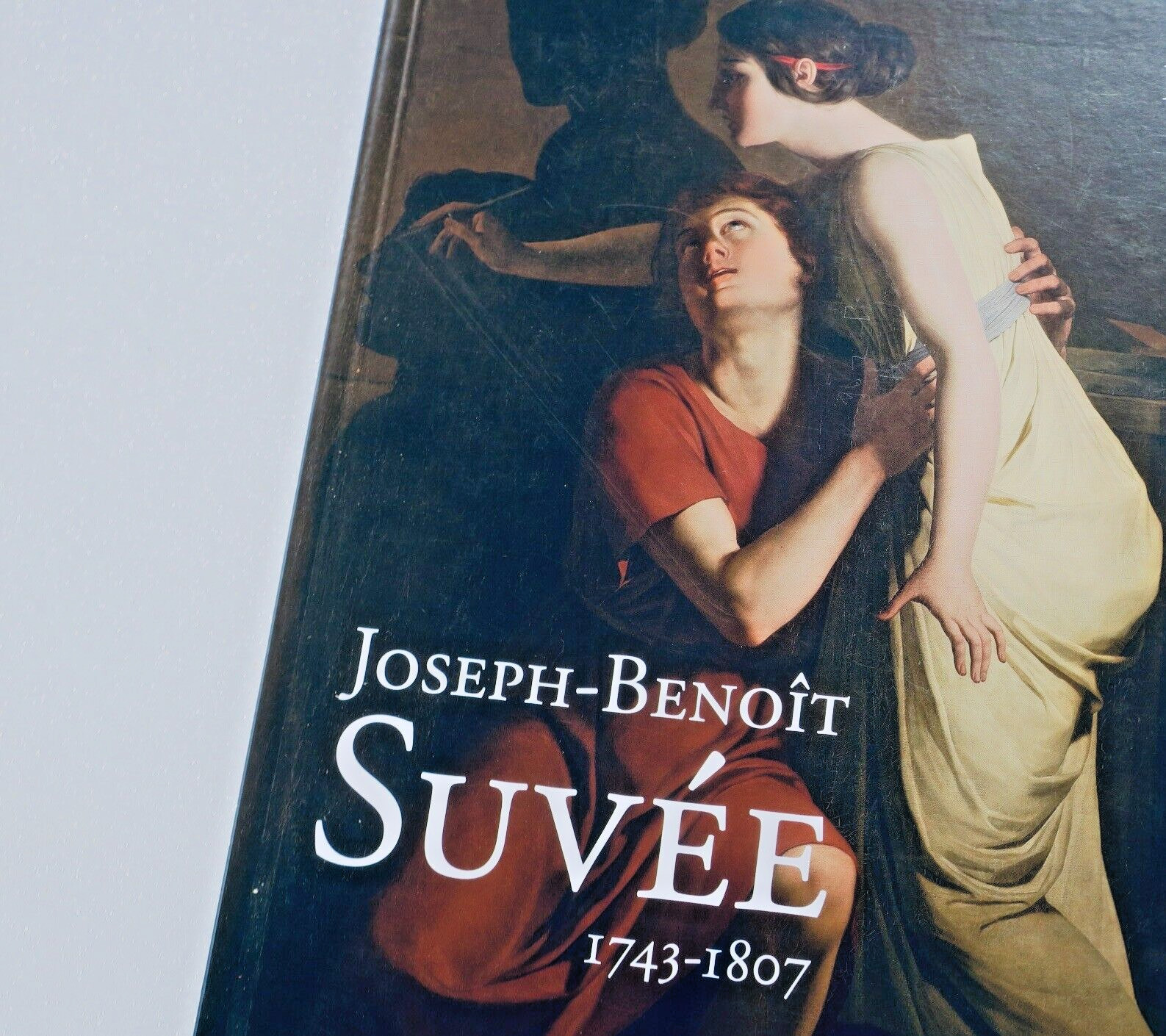
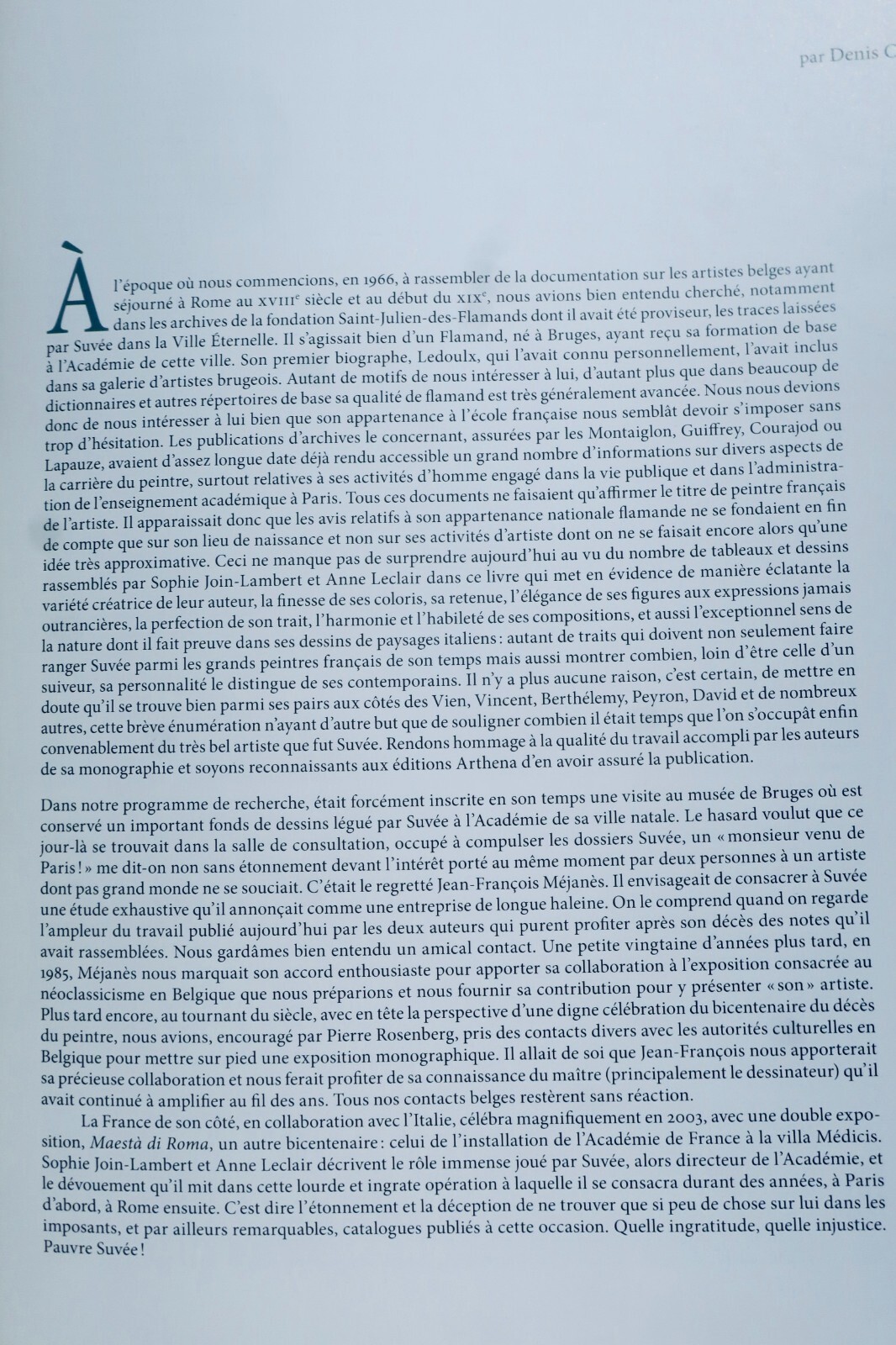
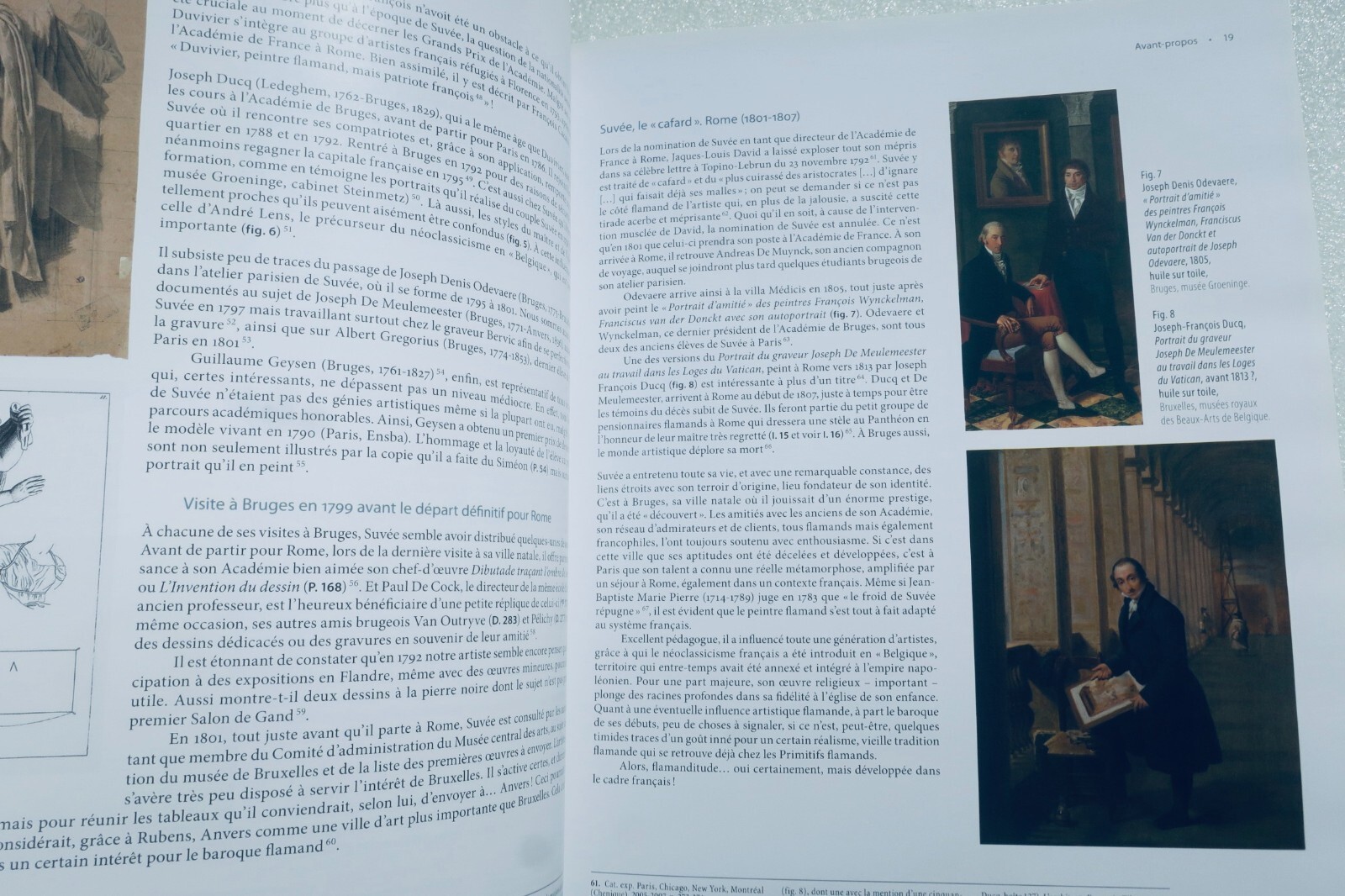
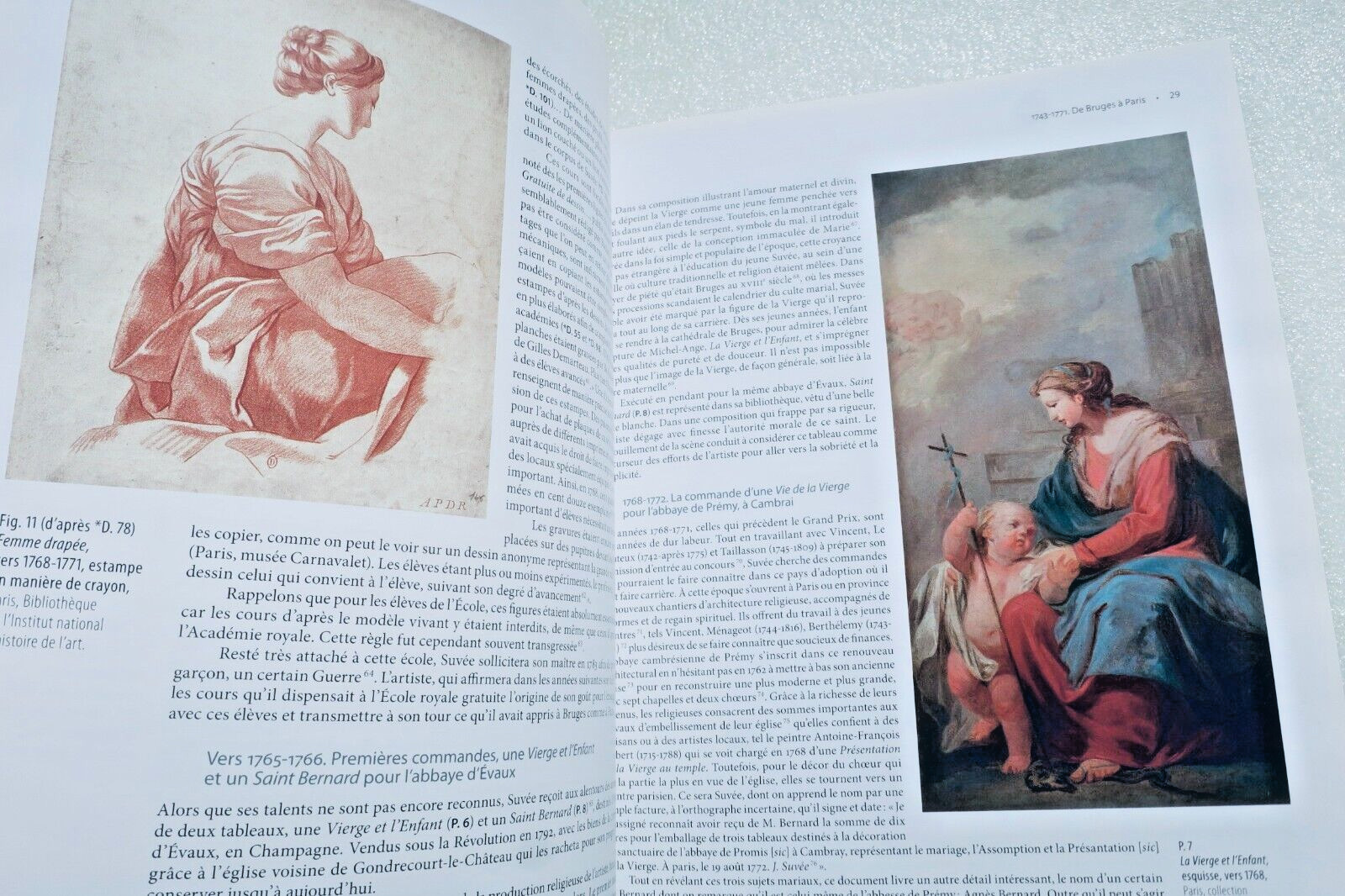
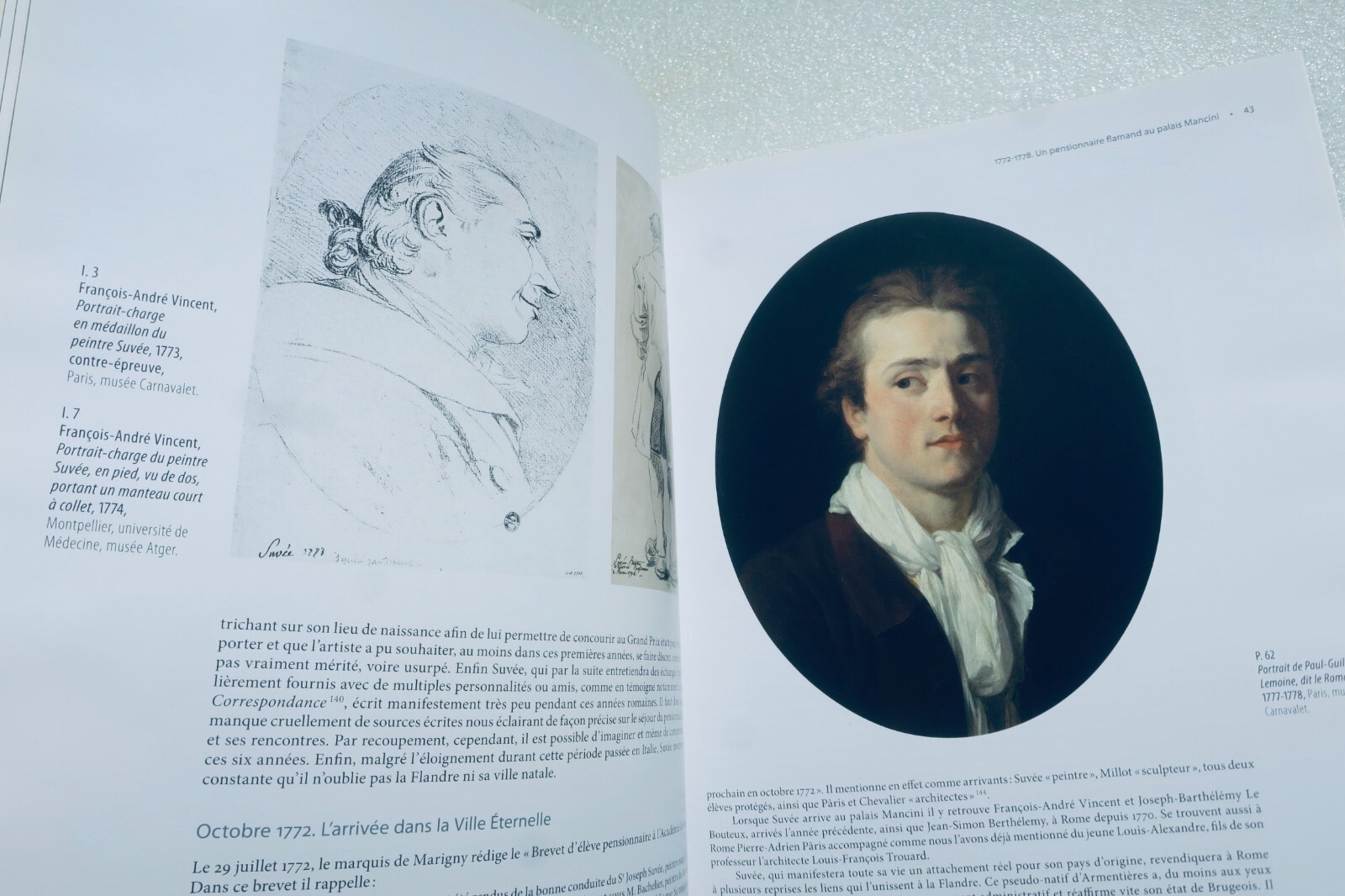
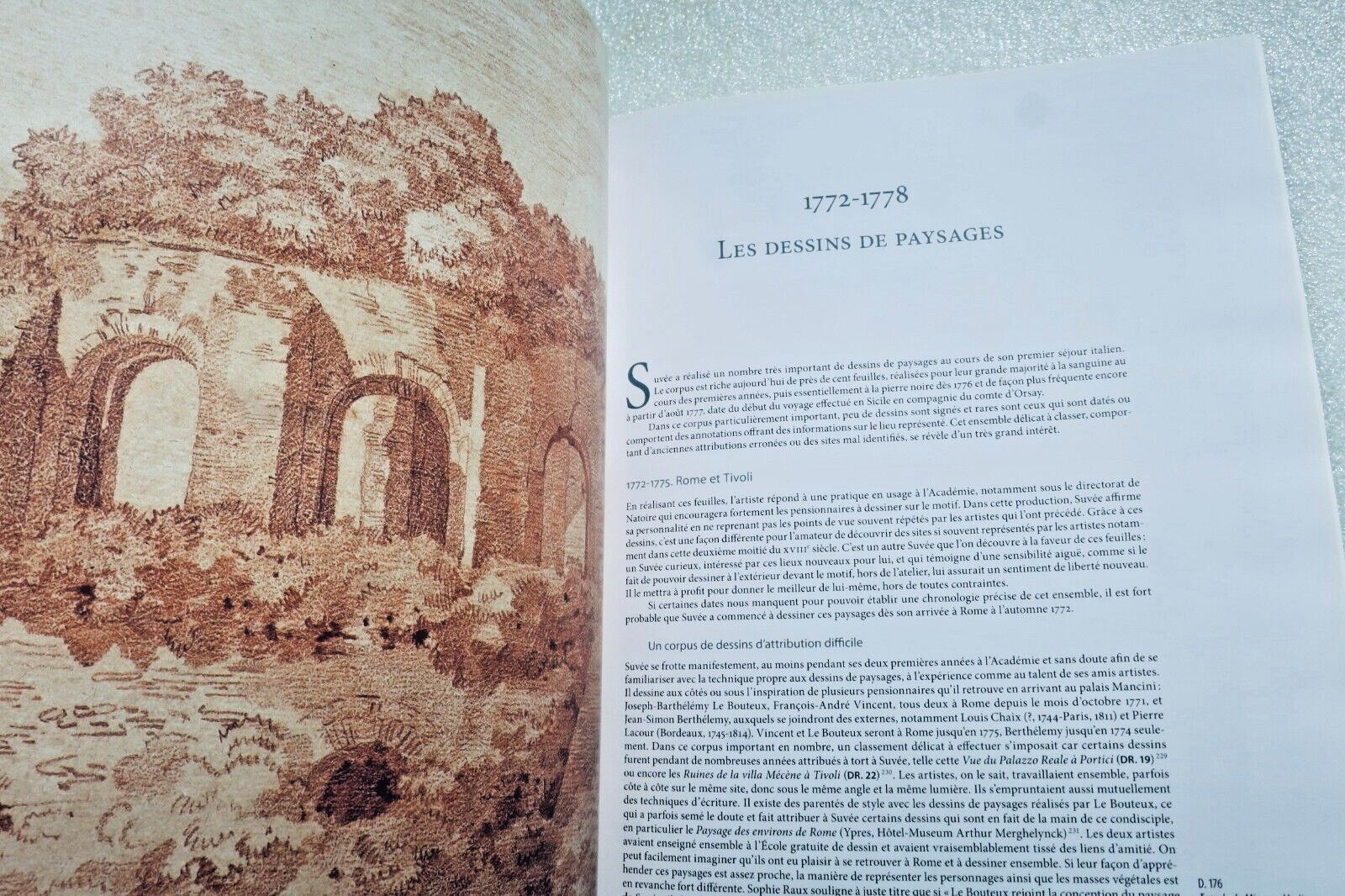
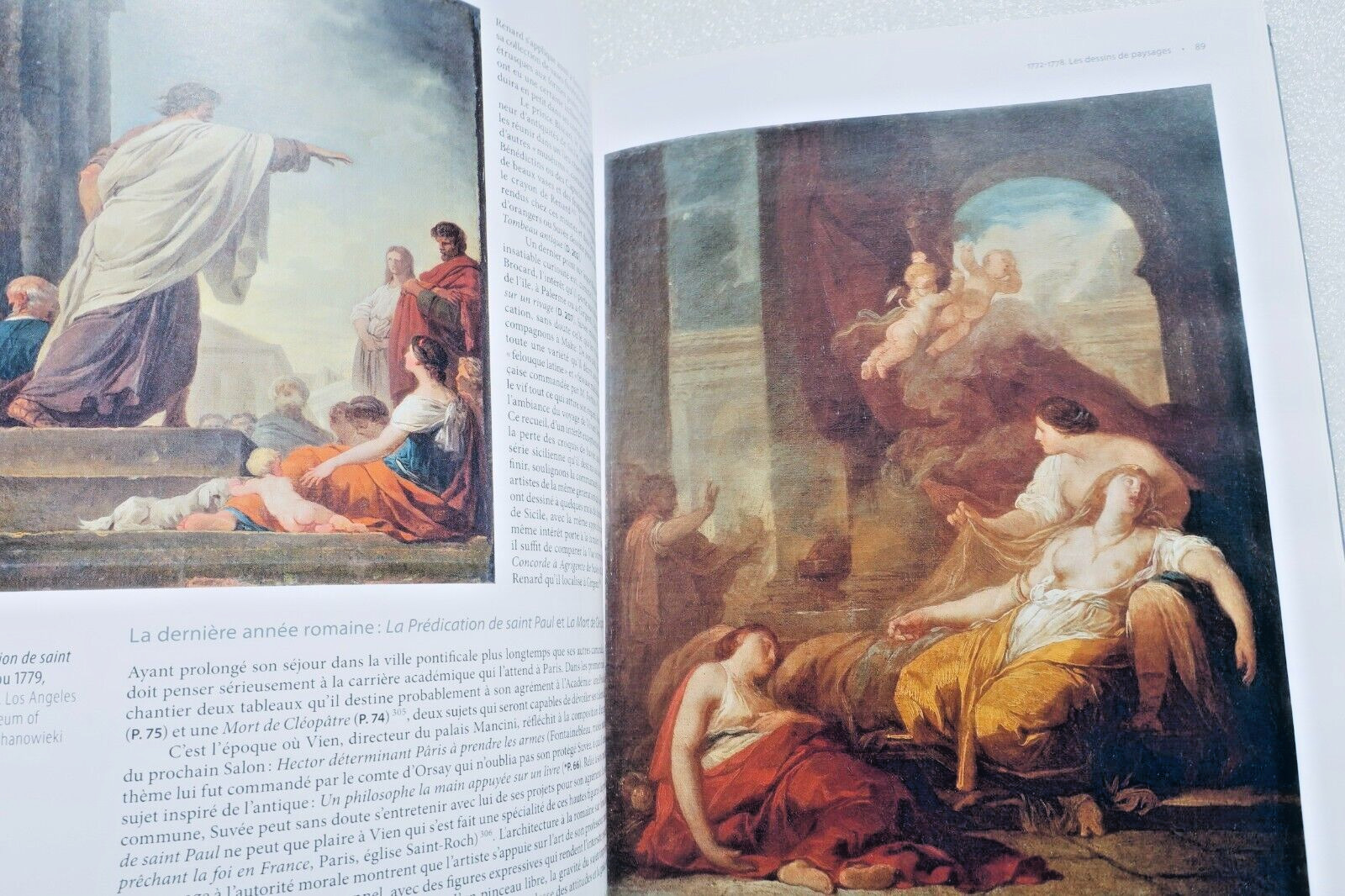
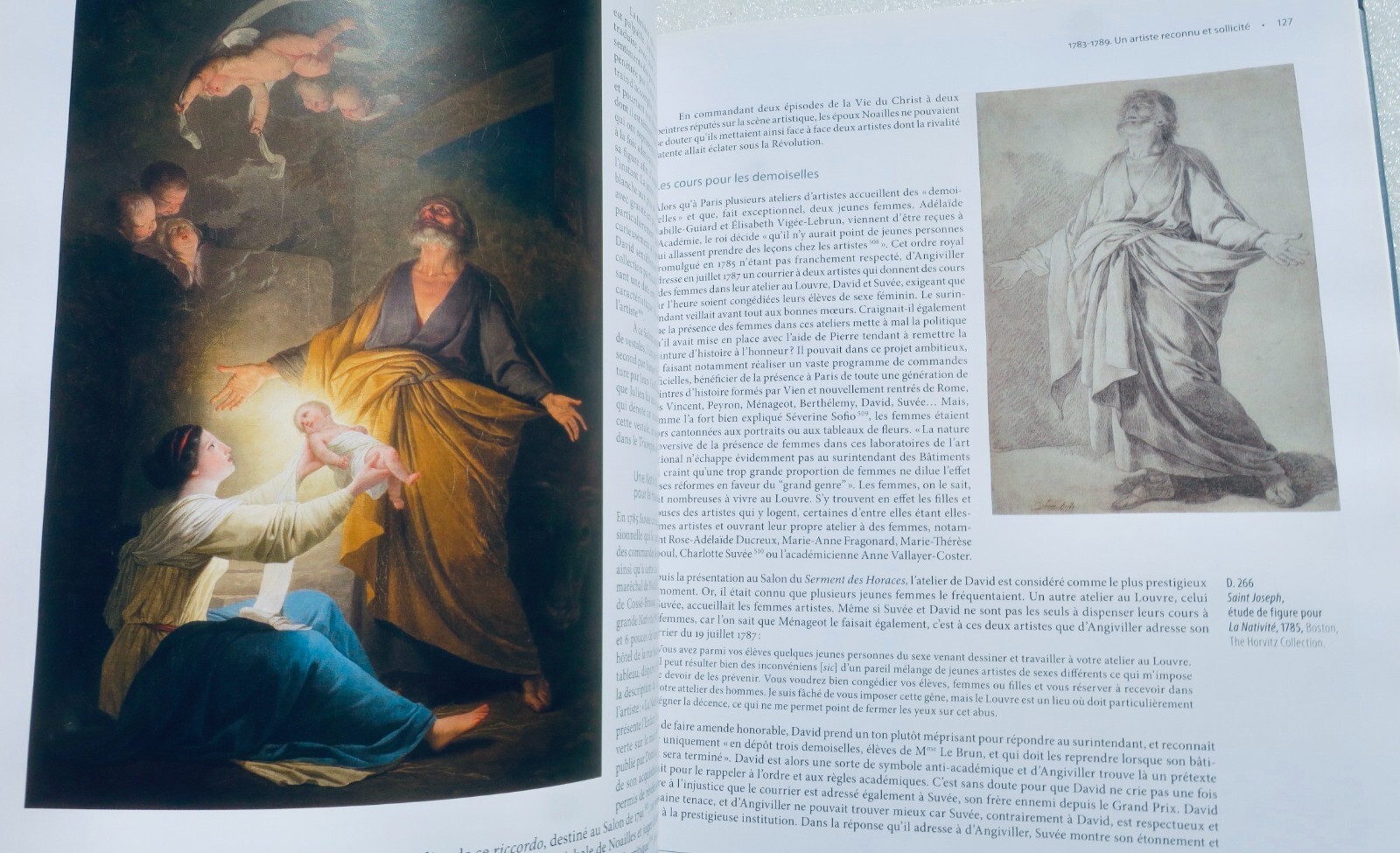
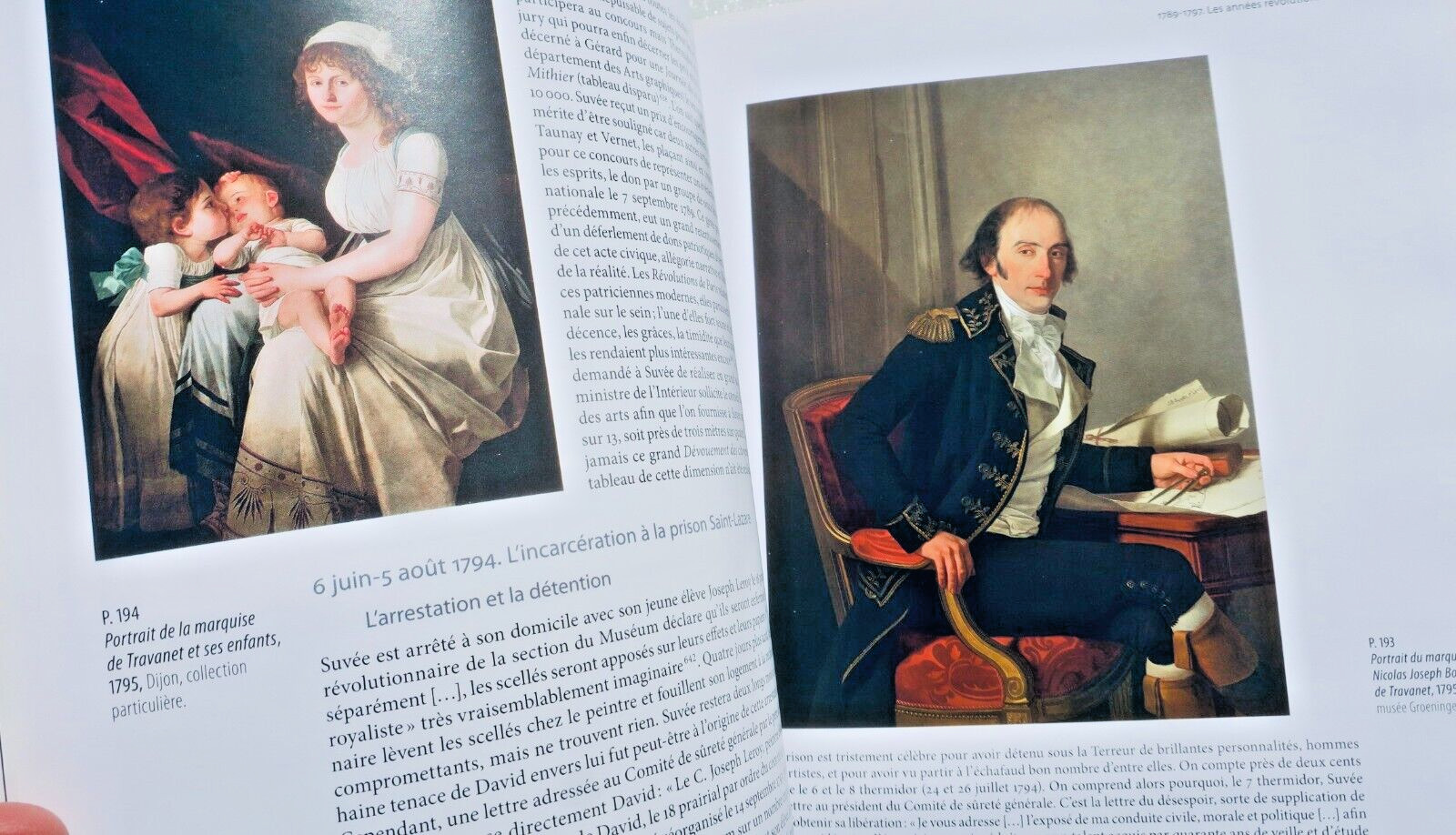
Joseph-Benoît Suvée, 1743-1807 The description of this item has been automatically translated. If you have any questions, please feel free to contact us. Sophie Join-Lambert; Anne Leclair; Denis Coekelberghs Joseph-Benoît Suvée, 1743-1807: an artist between Bruges, Rome and Paris Arthena 2017, hardback, 440 pp., 330 x 250 x 35 mm, ill. in color / b/w. Small wear on corners and…
Lire la description complète ↓Joseph-Benoît Suvée, 1743-1807
The description of this item has been automatically translated. If you have any questions, please feel free to contact us.
Sophie Join-Lambert; Anne Leclair; Denis Coekelberghs
Joseph-Benoît Suvée, 1743-1807: an artist between Bruges, Rome and Paris
Arthena 2017, hardback, 440 pp., 330 x 250 x 35 mm, ill. in color / b/w. Small wear on corners and caps.
“Trained in Bruges, Suvée perfected his skills in Paris in the Bachelier workshop. In 1771, he won the Grand Prix de l’Académie, ahead of David who held a stubborn grudge against him. In Rome, the resident of the Académie de France showed a keen curiosity for ancient sites. He produced numerous drawings, some of which are admirable, revealing one of the most gifted designers of his generation. In 1779, back in Paris, he was admitted to the Royal Academy. He will now play a leading role. The paintings that he regularly exhibited at the Salon from 1779 to 1796 demonstrate an unreserved adherence to neoclassicism. Certain works are very successful, whether they are paintings of national history, ancient history or religious paintings. At the same time, he painted numerous portraits with moving realism, the most famous being those of his companions in misfortune detained with him during the Terror at Saint-Lazare prison, in particular that of the poet André Chénier. In 1801, Suvée took over the direction of the French Academy in Rome. It was under his leadership that a new generation of artists, including Ingres, completed their training. An outstanding draftsman, delicate and innovative painter, recognized teacher, Suvée, a European artist between Bruges, Paris and Rome, fully belongs to the world of Enlightenment. »
No shipping outside the European Union
“Trained in Bruges, Suvée perfected his skills in Paris in the Bachelier workshop. In 1771, he won the Grand Prix de l’Académie, ahead of David who held a stubborn grudge against him. In Rome, the resident of the Académie de France showed a keen curiosity for ancient sites. He produced numerous drawings, some of which are admirable, revealing one of the most gifted designers of his generation. In 1779, back in Paris, he was admitted to the Royal Academy. He will now play a leading role. The paintings that he regularly exhibited at the Salon from 1779 to 1796 demonstrate an unreserved adherence to neoclassicism. Certain works are very successful, whether they are paintings of national history, ancient history or religious paintings. At the same time, he painted numerous portraits with movin
LA LIBRAIRIE ANTIQUE
Librairie indépendante depuis 1995, Paris
Expédition mondiale · en cours d'adhésion SLAM[*]
[*] Adhésion au Syndicat de la Librairie Ancienne et Moderne en préparation.
Dites-nous ce qui ne fonctionne pas, nous corrigeons vite. La page où vous vous trouvez est jointe automatiquement.