0,00€
- +8 more

32,15€
En stock
Surrealism Princess Sapho Tutu Is; The Novel More Mysterious World 19th Siècle
The description of this item has been automatically translated. If you have any questions, please feel free to contact us.
Princess Sappho
the tutu; the most mysterious novel of the 19th century
TRISTRAM, in 8°, paperback, 2008, 240 pp.
Very nice copy
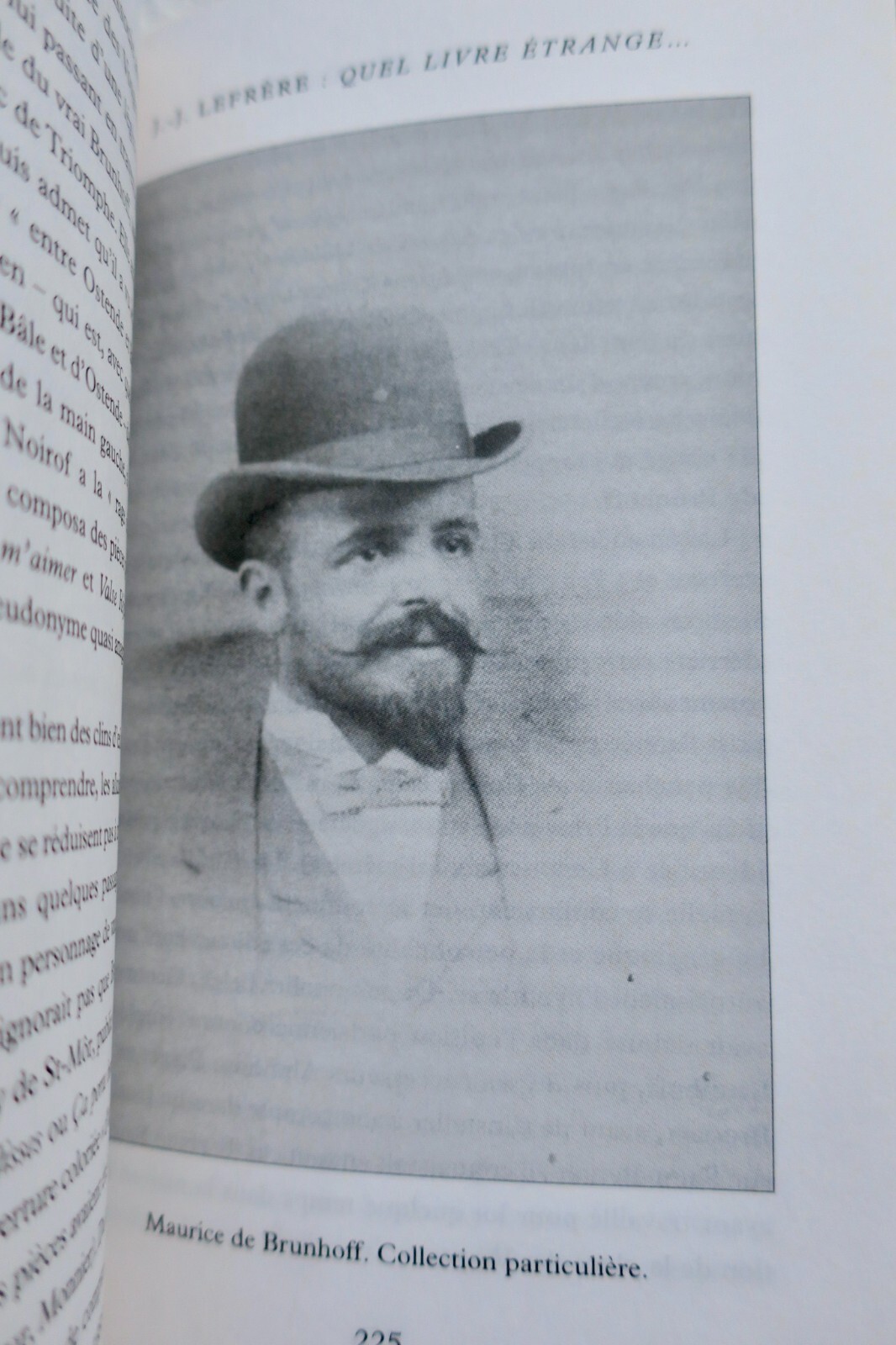
All the characters in Tutu are eccentrics, extravagant and even monsters – in the literal sense of the word. The first of them Mauri de Noirof marries a rich, obese and drunken heiress, impregnates a two-headed woman who exhibited in circuses, becomes deputy minister of Justice and indulges in orgies of anatomical debris in the company of his mother. Printed in 1891 by Léon Genonceaux (then publisher of Rimbaud and Lautréamont) discovered by Pascal Pia who revealed its existence in an article in the Quinzaine Littéraire in 1966: Le Tutu was only made public in 1991 by Editions Tristram, causing shock and astonishment among many critics and readers. If the absence of a clearly identified author and the surprising modernity of the writing – which announces Jarry Queneau Surrealism – may have made some suspect a deception, the authenticity of this masterpiece is today irrefutably established. In addition to this definitive edition of Tutu, the second part of the volume includes, in addition to an unpublished afterword by Julian Rios and a resumption of the founding text by Pascal Pia, a detailed and illustrated investigation into the incredible destiny of this extraordinary novel by Rimbaud and Lautréamont specialist Jean-Jacques Lefrere.
All the characters in Tutu are eccentrics, extravagant and even monsters – in the literal sense of the word. The first of them Mauri de Noirof marries a rich, obese and drunken heiress, impregnates a two-headed woman who exhibited in circuses, becomes deputy minister of Justice and indulges in orgies of anatomical debris in the company of his mother. Printed in 1891 by Léon Genonceaux (then publisher of Rimbaud and Lautréamont) discovered by Pascal Pia who revealed its existence in an article in the Quinzaine Littéraire in 1966: Le Tutu was only made public in 1991 by Editions Tristram, causing shock and astonishment among many critics and readers. If the absence of a clearly identified author and the surprising modernity of the writing – which announces Jarry Queneau Surrealism – may hav